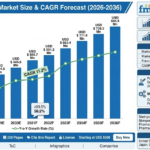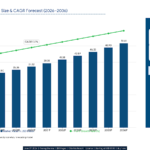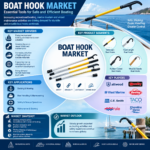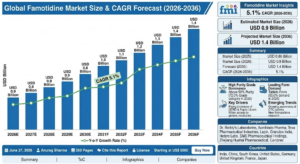


The global boat hook market was valued at USD 1.66 billion in 2025 and is set to reach USD 1.80 billion by the end of 2026. Expanding at a Compound Annual Growth Rate (CAGR) of 5.8% between 2026 and 2036, total market valuation is projected to reach USD 3.09 billion by 2036. According to comprehensive market research from Future Market Insights (FMI), the industry will generate an absolute incremental opportunity of USD 1.33 billion over the ten-year assessment period. As commercial marine operations, port logistics, and institutional fleet modernization shift toward heavy-duty, performance-grade equipment, boat hooks are evolving from basic accessories into standardized, compliance-ready docking and cargo-handling systems.
Get detailed market forecasts, competitive benchmarking, and pricing trends:
https://www.futuremarketinsights.com/reports/sample/rep-gb-13692
Key Market Highlights at a Glance
• 2025 Baseline Market Size: USD 1.66 billion
• 2026 Estimated Market Size: USD 1.80 billion
• 2036 Forecasted Market Size: USD 3.09 billion
• Ten-Year Compound Annual Growth Rate (CAGR 2026-2036): 5.8%
• Absolute Incremental Opportunity: USD 1.33 billion
• Leading Material Type Segment (2026): Stainless Steel, holding a 55.8% market share
• Leading End Use Segment (2026): Logistics, accounting for a 60.0% market share
• Fastest-Growing Country Markets: Italy leading at a 6.2% CAGR, followed closely by France at a 6.1% CAGR
• Report Scope & Page Count: 307 pages of quantitative and qualitative market intelligence
Why Is the Boat Hook Market Growing?
Demand for commercial and recreational boat hooks is expanding across global maritime supply chains due to three primary growth drivers:
• Institutional Modernization and Regulatory Standards: Institutional buyers and fleet operators are replacing legacy hardware with certified, performance-grade docking tools to meet rigid marine safety and operational compliance codes.
• Expansion of Maritime Logistics and Cargo Operations: The rapid growth of ocean freight handling, coastal trade, and port logistics requires durable docking hardware that withstands frequent, high-load vessel maneuvering.
• Transition to High-Durability Stainless Steel Assemblies: End users are prioritizing corrosion-resistant stainless steel formulations to prevent equipment failure during intensive, saltwater marine operations.
“The boat hook market is evolving from a niche accessory category into a structured, procurement-ready market segment,” stated Nikhil Kaitwade, Principal Analyst at Future Market Insights. “Companies that improve cost competitiveness while delivering certified performance in heavy-duty commercial operations are positioned to capture major OEM and institutional supply contracts over the coming decade.”
Segment Breakdown: Which Material Type and End Use Categories Lead?
Material Type Analysis: Why Stainless Steel Dominates Market Share
Stainless Steel is expected to account for 55.8% of the material type segment in 2026, making it the dominant material choice across commercial and institutional procurement channels. Stainless steel formulations deliver superior tensile strength, resistance to marine saltwater corrosion, and long service life under extreme environmental stress. Other material types, including copper alloys and specialized high-grade plastics, fulfill lightweight or specialized non-conductive niche requirements.
• Stainless Steel: Projected to hold a 55.8% market share in 2026, driven by high durability and saltwater corrosion resistance.
• Copper Alloys and Plastics: Comprise the remaining market share, serving secondary lightweight and specialty utility applications.
End Use Analysis: Why Logistics Drives Highest Volume
Logistics represents the primary end use category, projected to capture a 60.0% market share in 2026. Commercial shipping, port maneuvering, barge operations, and intermodal freight transfer require heavy-duty boat hooks to secure lines, position cargo, and maintain safe vessel docking procedures. The passenger transport and recreational boating sectors account for the balance of end-use demand.
• Logistics End Use: Projected to command a 60.0% market share in 2026 due to intensive port and cargo handling requirements.
• Transport and Passenger Marine: Account for the remaining 40.0% market share, supported by passenger ferries, charter fleets, and personal watercraft.
Speak to Analyst: Customize insights for your business strategy:
https://www.futuremarketinsights.com/customization-available/rep-gb-26433
Market Dynamics: Drivers, Restraints, and Trends
Key Market Drivers
Expansion in global maritime trade and institutional fleet upgrades continue to propel procurement activity. The growing enforcement of international maritime safety mandates forces commercial fleet managers to purchase certified, load-tested boat hooks rather than unrated alternatives.
Key Market Restraints
Raw material price fluctuations-particularly in marine-grade stainless steel alloys-pose margin challenges for foundries and equipment fabricators. Additionally, high tariff rates on imported metal hardware can restrict cross-border distribution in cost-sensitive regional markets.
Key Market Trends
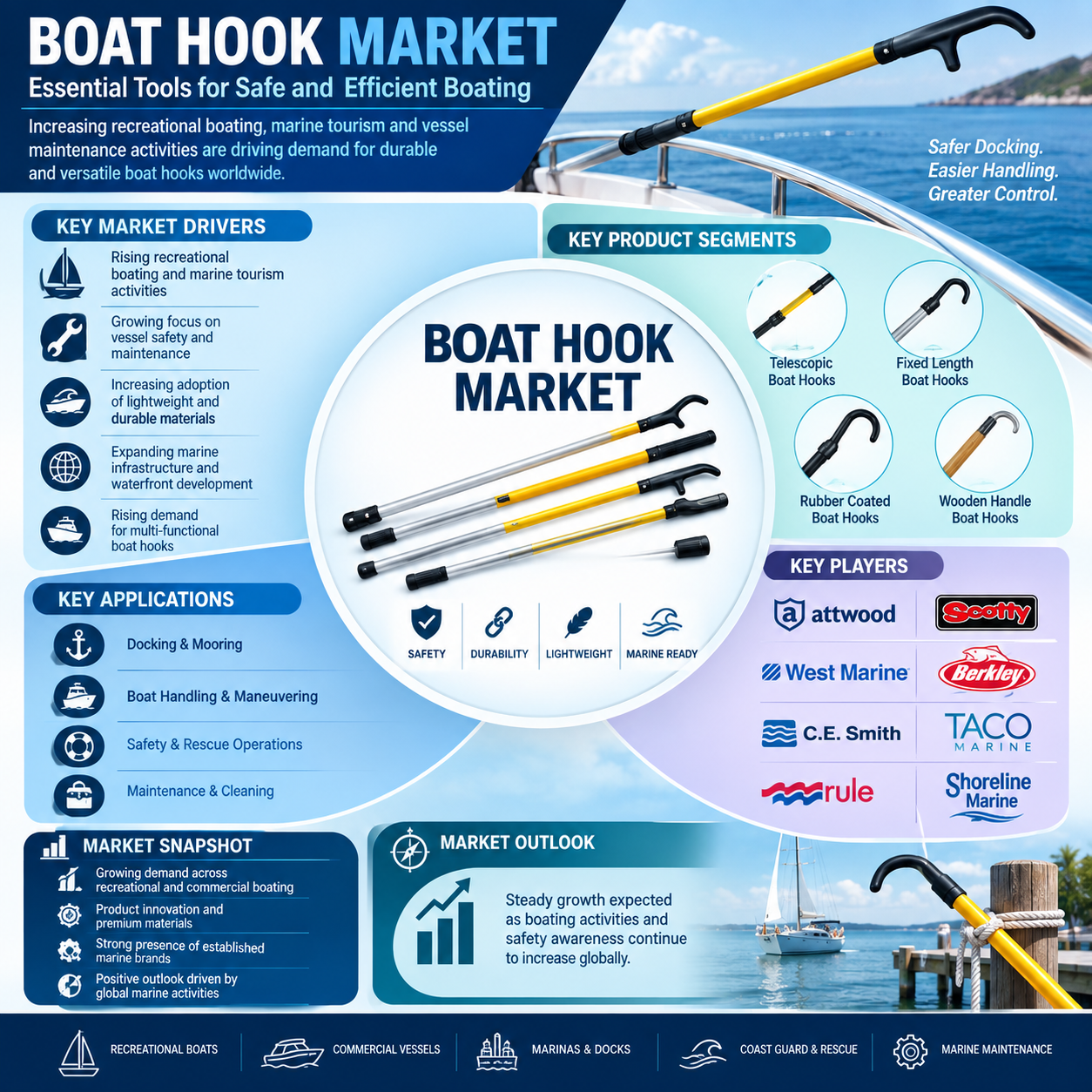
Manufacturers are increasingly introducing ergonomic multi-functional boat hooks featuring telescopic locking shafts, floating handles, and integrated line-threading mechanisms. Modular product designs that allow rapid replacement of worn hook tips are gaining significant traction among institutional buyers.