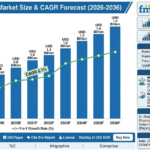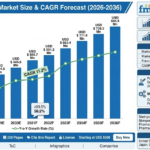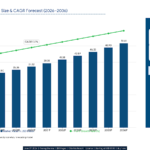


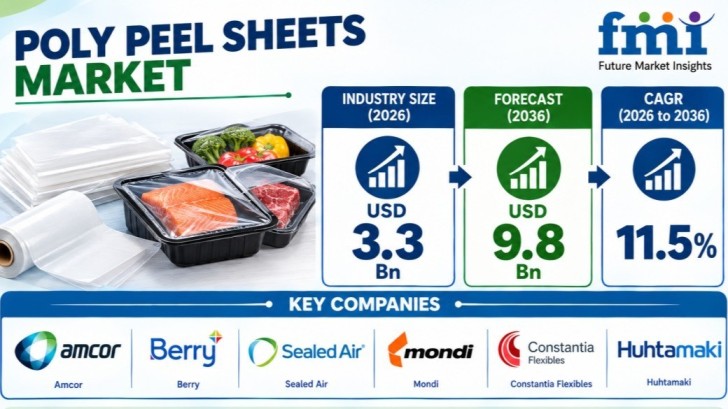
The global poly peel sheets market is entering a high-growth phase as food, pharmaceutical, medical device, and consumer goods manufacturers increasingly seek packaging structures that combine controlled opening, seal integrity, regulatory compliance, and material efficiency. According to Future Market Insights (FMI), the poly peel sheets market is valued at USD 3.3 billion in 2026 and is projected to reach USD 9.8 billion by 2036, expanding at a CAGR of 11.5% during the forecast period.
The market is being shaped by rising demand for convenient packaging, increasing regulatory attention toward food-contact materials, and growing pressure to redesign packaging structures for recyclability. Poly peel sheets are becoming particularly important in applications where controlled opening and reliable sealing are essential, including food trays, pharmaceutical packaging, sterile medical device packs, and flexible packaging systems.
As packaging manufacturers transition toward simplified material structures, suppliers are increasingly developing peel sheets that can deliver consistent opening force while maintaining barrier performance and compatibility with high-speed packaging lines. Regulatory requirements across major markets are also increasing the importance of documented material compliance and repeatable manufacturing performance.
👉 Get Detailed Market Forecasts, Competitive Benchmarking, and Pricing Trends: https://www.futuremarketinsights.com/reports/sample/rep-gb-31846
Featured Snippet: Key Market Answer
Q: What is driving the growth of the poly peel sheets market?
A: Growth is being driven by increasing demand for convenient peel-open packaging, expansion of food and healthcare packaging applications, regulatory pressure for compliant and recyclable packaging structures, rising adoption of flexible packaging, and growing demand for reliable sealing and opening performance.
Quick Stats for Poly Peel Sheets Market
- Market Value (2026): USD 3.3 Billion
- Forecast Value (2036): USD 9.8 Billion
- CAGR (2026–2036): 11.5%
- Leading Material (2026): Polyethylene – 57%
- Leading Product Type: Single Sided Peel Sheets – 41.3%
- Leading End Use: Food Packaging – 38.5%
- Leading Country by CAGR: China – 15.6%
- Key Growth Regions: Asia-Pacific, North America, Europe
- Fastest Emerging Trend: Recyclable and simplified peel structures
Market Overview: Poly Peel Sheets Become Critical to Modern Packaging Systems
Poly peel sheets are polymer-based sheet and film structures engineered to provide controlled opening, reliable sealing, and product protection. They are used across food, pharmaceutical, medical device, personal care, and consumer goods packaging.
The growing use of tray-sealed food products, pharmaceutical packs, sterile medical packaging, and flexible packaging formats is creating strong demand for peelable structures. Unlike conventional packaging films, peel sheets are specifically engineered to balance seal strength with predictable opening force.
Packaging manufacturers are increasingly focusing on structures that can withstand high-speed filling and sealing operations while providing consumers with convenient access to packaged products.
At the same time, environmental regulations are encouraging packaging companies to reassess multilayer structures and develop materials that are easier to recycle. This is creating opportunities for polyethylene-based and other simplified peel structures.
Key Growth Drivers
Rising Demand for Convenient Packaging
Consumer preference for easy-to-open packaging is one of the key factors supporting poly peel sheet adoption.
Peelable packaging eliminates the need for cutting tools and enables consumers to access food, pharmaceutical, and healthcare products more conveniently.
Food trays, ready-to-eat meals, dairy products, medical device packs, and pharmaceutical packaging are among the applications benefiting from controlled-open packaging.
Expansion of Food Packaging Applications
Food packaging represents the leading end-use segment, accounting for 38.5% of market demand.
The expansion of ready-to-eat meals, processed foods, fresh produce, dairy products, and convenience foods is increasing demand for packaging that combines product protection with easy opening.
Peel sheets also help manufacturers maintain package integrity throughout transportation and storage while providing consumers with predictable opening performance.
Growth of Healthcare and Pharmaceutical Packaging
Healthcare applications are creating another important growth opportunity.
Pharmaceutical and medical device packaging requires highly controlled sealing and opening performance to protect products from contamination and maintain package integrity.
Sterile barrier systems also require repeatable sealing processes, encouraging manufacturers to adopt validated peel structures with consistent performance.
Increasing Packaging Sustainability Requirements
Sustainability has become a major factor influencing packaging design.
Packaging companies are increasingly evaluating mono-material and simplified structures that can improve recyclability while maintaining the necessary barrier and sealing characteristics.
This trend is particularly important in Europe, where packaging regulations are increasing pressure on manufacturers to improve recyclability and reduce unnecessary material complexity.
Market Trends Shaping the Industry
Shift Toward Recyclable Peel Structures
One of the most significant trends in the poly peel sheets market is the development of recyclable packaging structures.
Converters are working to reduce incompatible layers and develop peel sheets that can be incorporated into simplified polymer packaging systems.
The objective is to maintain peel performance while improving end-of-life compatibility.
Growing Adoption of Polyethylene-Based Solutions
Polyethylene is gaining strong market acceptance because of its established processing infrastructure, broad availability, and compatibility with flexible packaging applications.
PE-based structures can also be engineered to deliver controlled peel performance while supporting material simplification strategies.
Increasing Demand for Single-Sided Peel Sheets
Single-sided peel sheets represent 41.3% of the market.
Their popularity is linked to relatively straightforward packaging construction and their ability to provide peel functionality at the primary sealing interface.
This makes them suitable for high-volume packaging applications where manufacturers prioritize production efficiency and consistent opening performance.
Greater Focus on Compliance Documentation
Packaging buyers are increasingly demanding detailed information related to food-contact compliance, material composition, migration performance, and sealing validation.
This is particularly important for pharmaceutical, food, and medical device packaging, where changes in packaging materials can require additional testing and qualification.
Technology Developments
Advanced Peel-Seal Technologies
Manufacturers are developing advanced sealing layers that provide a balance between seal integrity and controlled opening.
These technologies enable packaging producers to reduce the risk of accidental opening while still providing consumers with convenient access.
Mono-Material Peel Structures
The development of mono-material and simplified multilayer structures is becoming increasingly important.
Converters are exploring polymer combinations that provide barrier protection and peel functionality while reducing material incompatibility during recycling.
Improved Opening Force Control
Consistent opening force is becoming a key technical requirement.
Packaging manufacturers are working to minimize variation between production batches so consumers receive a consistent opening experience.
High-Speed Packaging Compatibility
Modern peel sheets must operate effectively on high-speed filling and sealing equipment.
Improved thermal response, seal initiation characteristics, and process stability are helping manufacturers integrate peel structures into automated packaging lines.
>> Access detailed market insights: https://www.futuremarketinsights.com/reports/brochure/rep-gb-31846
Segment Insights
Segment Leadership: Polyethylene (57%)
Polyethylene is expected to dominate the material type segment with a 57% share.
The material benefits from:
- Broad resin availability
- Established processing infrastructure
- Cost efficiency
- Flexible packaging compatibility
- Adaptability to simplified packaging structures
- Established regulatory history
These characteristics make polyethylene an attractive material for high-volume food and consumer packaging applications.
Product Type Analysis
Single-Sided Peel Sheets Account for 41.3%
Single-sided peel sheets are projected to remain the leading product type with a 41.3% share.
These structures concentrate peel functionality at a single packaging interface, helping converters simplify packaging construction while maintaining reliable sealing performance.
Their application across food trays, pouches, pharmaceutical packs, and medical packaging is expected to support continued demand.
End-Use Analysis
Food Packaging Leads with 38.5% Share
Food packaging is projected to account for 38.5% of the market in 2026.
The segment benefits from rising demand for:
- Ready-to-eat meals
- Fresh food packaging
- Dairy products
- Processed foods
- Convenience meals
- Tray-sealed products
Food manufacturers increasingly require packaging materials that provide strong seals during transportation while remaining easy for consumers to open.
Regional Insights
Asia-Pacific
Asia-Pacific represents a major growth center for poly peel sheets due to expanding food manufacturing, pharmaceutical production, e-commerce distribution, and flexible packaging conversion.
China and India are particularly important markets as domestic packaging capacity expands and manufacturers increasingly adopt standardized packaging systems.
North America
North America remains an important market supported by established food processing, pharmaceutical, and medical device industries.
Demand is increasingly influenced by packaging compliance, food-contact requirements, and the need for validated packaging structures.
Europe
Europe is experiencing increasing packaging redesign activity as manufacturers respond to sustainability and recyclability requirements.
The region’s regulatory environment is encouraging converters to examine multilayer structures and develop packaging solutions with improved recyclability.
Country Analysis
China
China is expected to record the highest growth rate among the analyzed countries, with a 15.6% CAGR through 2036.
Large-scale food production, extensive packaging conversion capacity, and strong consumer goods manufacturing are supporting rapid market expansion.
The country’s growing e-commerce and export packaging sectors are also increasing demand for reliable peelable packaging structures.
India
India is projected to grow at a 14.5% CAGR.
Rising packaged food consumption, expanding pharmaceutical production, and increasing adoption of modern retail and e-commerce are creating strong demand for flexible and convenient packaging.
Food packaging regulations and plastic waste management requirements are also encouraging manufacturers to evaluate standardized and compliant packaging materials.
Germany
Germany is projected to expand at a 13.3% CAGR.
Packaging sustainability requirements, strong food and pharmaceutical industries, and demand for high-quality packaging materials are supporting adoption.
Manufacturers are increasingly prioritizing reliable suppliers capable of providing consistent specifications and compliance documentation.
Brazil
Brazil is expected to register a 12.1% CAGR.
Growth is supported by expanding packaged food consumption, healthcare distribution, and increasing demand for reliable packaging structures.
United States
The United States is projected to grow at an 11.0% CAGR.
Food-contact compliance, pharmaceutical packaging requirements, and medical device packaging validation are major factors shaping demand.
The mature packaging industry also provides an established customer base for advanced peel sheet technologies.
United Kingdom
The UK market is expected to expand at a 9.8% CAGR.
Packaging responsibility requirements and sustainability initiatives are encouraging manufacturers to simplify packaging structures while maintaining functionality.
Japan
Japan is projected to grow at an 8.7% CAGR.
The market is supported by sophisticated food and healthcare packaging industries and stringent requirements for packaging quality and material compliance.
Market Drivers, Restraints, and Opportunities
Growth Drivers
The market is benefiting from:
- Growing demand for easy-open packaging
- Expansion of food packaging
- Pharmaceutical and medical device applications
- Flexible packaging adoption
- Sustainability-driven packaging redesign
- Rising demand for high-speed packaging compatibility
Market Restraints
Despite strong growth prospects, manufacturers face challenges related to:
- Increasing material compliance costs
- Packaging redesign expenses
- Complex qualification requirements
- Rising testing and validation requirements
- Performance challenges in recyclable structures
- Cost pressures in price-sensitive packaging applications
Market Opportunities
Significant opportunities exist in:
- Mono-material peel structures
- Recyclable flexible packaging
- Pharmaceutical packaging
- Sterile medical device packaging
- Smart and digitally enabled packaging
- High-performance food lidding
- Emerging markets in Asia-Pacific
Competitive Landscape
Competition in the poly peel sheets market is increasingly centered on material innovation, peel performance, regulatory compliance, manufacturing scale, and supply reliability.
Large packaging companies are expanding their capabilities through acquisitions and portfolio integration, while specialized converters are competing through application-specific technologies and customized packaging structures.
Supplier consolidation is also influencing the competitive environment as major food and healthcare customers increasingly seek suppliers capable of supporting standardized specifications across multiple regions.
Key Players
- Amcor Plc
- Berry Global Group
- Sealed Air Corporation
- Mondi Group
- Constantia Flexibles
- Huhtamaki Oyj
- Coveris Holdings
- Uflex Limited
- Winpak Ltd.
- ProAmpac
Competitive Differentiation Factors
Leading companies compete through:
- Advanced peel technologies
- Recyclable material development
- Regulatory compliance capabilities
- Global production networks
- High-speed packaging compatibility
- Customized packaging solutions
- Technical support
- Consistent product quality
- Supply chain reliability
Future Outlook
The poly peel sheets market is expected to maintain strong growth through 2036 as food manufacturers, healthcare companies, and packaging converters increasingly prioritize controlled opening, reliable sealing, regulatory compliance, and recyclability.
The transition toward simplified and recyclable packaging structures is expected to remain one of the most important long-term trends.
Suppliers that can combine consistent peel performance with regulatory documentation, material efficiency, and high-speed production compatibility will be positioned to address increasingly demanding packaging specifications.
Asia-Pacific is expected to remain a major growth engine, with China and India recording strong expansion as packaged food, pharmaceutical production, and consumer goods manufacturing continue to develop.
Conclusion
The global poly peel sheets market is undergoing a significant transformation as packaging manufacturers balance convenience, product protection, regulatory compliance, and sustainability.
Valued at USD 3.3 billion in 2026, the market is projected to reach USD 9.8 billion by 2036, expanding at an 11.5% CAGR.
Polyethylene remains the dominant material, while single-sided peel sheets continue to lead product demand. Food packaging represents the largest end-use segment, supported by the growing need for convenient and reliable packaging formats.
As packaging regulations become more demanding and brands accelerate their transition toward recyclable structures, poly peel sheets are expected to become increasingly important across food, pharmaceutical, medical device, and consumer packaging applications.