

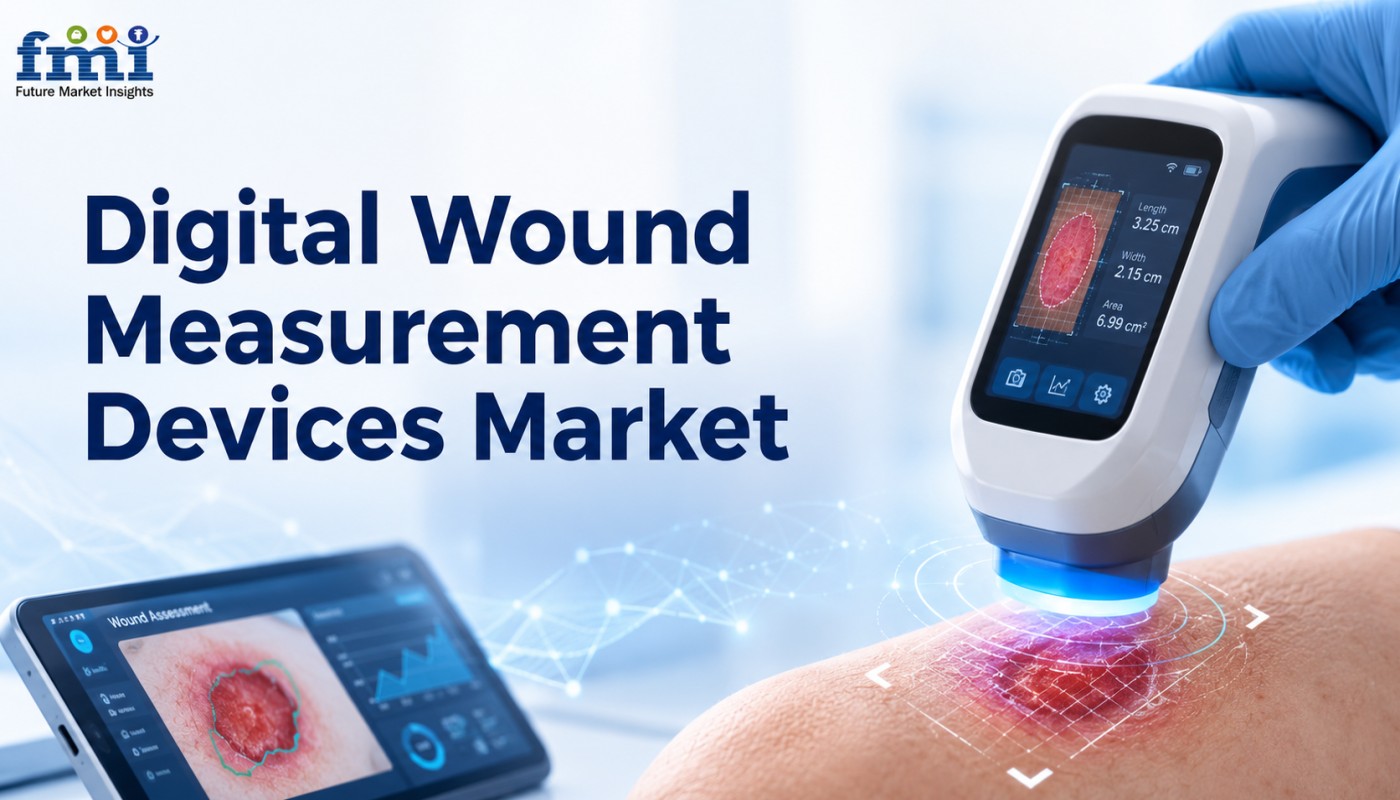
The digital wound measurement devices market is entering a new phase of evolution as healthcare providers increasingly prioritize connected care, data-driven clinical decision-making, and enterprise-wide digital health integration. Digital wound assessment technologies are rapidly transforming from standalone imaging tools into comprehensive wound management platforms that support remote monitoring, longitudinal analytics, telehealth, and interoperability across healthcare systems.
As chronic wound prevalence continues to rise globally, healthcare organizations are seeking technologies capable of delivering accurate wound documentation, standardized assessments, and real-time care coordination. The market is increasingly being shaped by software capabilities, cloud connectivity, artificial intelligence, and interoperability rather than hardware functionality alone.
Market Outlook
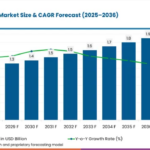
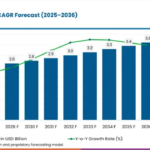
The digital wound measurement devices market is expected to grow from USD 1.2 billion in 2026 to USD 2.0 billion by 2036, registering a CAGR of 5.2% during the forecast period.
Growth is being supported by the increasing burden of chronic wounds, expanding diabetic patient populations, rising adoption of telehealth services, and growing investments in healthcare digitalization. As healthcare delivery becomes more decentralized, digital wound management solutions are becoming critical tools for improving clinical outcomes, enhancing workflow efficiency, and enabling remote patient management.
Chronic Wound Burden Continues to Accelerate Market Adoption
One of the primary drivers supporting market growth is the increasing prevalence of chronic wounds including diabetic foot ulcers, venous leg ulcers, pressure injuries, and post-surgical wounds.
These conditions often require frequent monitoring, long-term treatment, multidisciplinary care coordination, and extensive documentation. Traditional wound assessment methods based on manual measurements and visual observation often lead to inconsistent documentation and variability in treatment decisions.
Diabetic Ulcer Applications Lead Market Demand
Diabetic ulcer applications represent the largest application segment, accounting for approximately 32.0% of market demand in 2026.
Diabetic ulcers often require long-term wound monitoring, continuous assessment, and coordinated care involving multiple healthcare providers. Digital wound measurement technologies allow clinicians to accurately track healing progression, identify complications early, and optimize treatment strategies through objective data collection.
Software Is Emerging as the Primary Value Driver
The market’s value proposition is increasingly shifting from measurement hardware toward advanced software functionality.
Healthcare organizations are demanding platforms capable of delivering:
- Automated wound measurement and documentation
- Longitudinal healing trend analysis
- Predictive healing analytics
- Clinical decision support tools
- Standardized reporting capabilities
- Population health analytics
These capabilities enable healthcare providers to improve workflow efficiency, reduce administrative burden, standardize treatment protocols, and support better patient outcomes.
Connectivity Becomes Essential Across Modern Wound Care Programs
Connectivity has emerged as a critical requirement for healthcare providers implementing digital wound care solutions.
Connected wound management platforms support:
- Real-time wound documentation
- Telehealth consultations
- Remote patient monitoring
- Home-based wound care programs
- Multi-site care coordination
- Digital communication between care teams
Interoperability Reshapes Technology Procurement Decisions
Healthcare organizations are increasingly prioritizing technologies that integrate seamlessly into existing digital infrastructures.
Modern procurement strategies increasingly emphasize:
- Electronic health record integration
- Telemedicine platform compatibility
- Enterprise imaging interoperability
- Cloud-based information sharing
- Standardized documentation workflows
Integrated platforms help reduce documentation redundancy, improve care coordination, and enhance clinician productivity by embedding wound information directly within established healthcare workflows.
Hospitals Remain the Dominant End-User Segment
Hospitals account for approximately 61.0% of total market demand, making them the largest end-user segment within the digital wound measurement devices market.
Large healthcare systems are increasingly investing in enterprise wound management programs designed to improve documentation consistency, facilitate multidisciplinary collaboration, support quality reporting initiatives, and optimize patient outcomes.
Artificial Intelligence Expands Clinical Capabilities
Artificial intelligence is becoming an increasingly important component of digital wound management solutions.
Advanced algorithms are helping clinicians:
- Identify wound characteristics automatically
- Measure wound dimensions accurately
- Monitor healing progression
- Predict treatment outcomes
Cloud Infrastructure Supports Enterprise Wound Management
Cloud-based wound management platforms are becoming central to modern healthcare workflows.
These solutions enable centralized data storage, remote access to patient information, enterprise reporting capabilities, and seamless collaboration between healthcare providers across multiple facilities.
Cloud deployment also supports scalability, cybersecurity management, software updates, and advanced analytics capabilities that healthcare organizations increasingly require as part of broader digital transformation initiatives.
Challenges Facing the Market
Despite favorable growth prospects, the digital wound measurement devices market faces several challenges.
Healthcare organizations must address concerns related to cybersecurity, patient data privacy, software integration complexity, regulatory compliance, and long-term technology support.
The increasing importance of interoperability also requires vendors to invest heavily in software development, cloud infrastructure, cybersecurity protections, and integration capabilities.
Segmentation Highlights
Diabetic ulcer applications account for approximately 32.0% of market demand in 2026, making them the leading application segment within the industry.
Hospitals represent approximately 61.0% of end-user demand and remain the primary adopters of enterprise wound management solutions.
Competitive Landscape and Future Outlook
The competitive environment is increasingly being shaped by software leadership rather than hardware capabilities alone.
Manufacturers are focusing on:
- Artificial intelligence development
- Advanced analytics platforms
- Cloud infrastructure expansion
- Telehealth integration
- Electronic health record connectivity
- Interoperability enhancements
Strategic partnerships between wound care technology providers, healthcare IT vendors, telemedicine companies, and electronic health record providers are becoming increasingly important as the market evolves toward fully integrated digital care environments.
Conclusion: Software and Connectivity Define the Future of Digital Wound Management
The digital wound measurement devices market is transitioning from a hardware-focused segment into a connected healthcare technology ecosystem where software functionality, interoperability, analytics, and remote monitoring capabilities increasingly define competitive advantage.
While accurate wound measurement remains essential, healthcare providers are increasingly evaluating technologies based on their ability to integrate within broader healthcare infrastructures, support telehealth initiatives, and improve care coordination.
As healthcare systems continue investing in digital transformation strategies, manufacturers capable of delivering scalable, intelligent, and interoperable wound management platforms will be best positioned to capture long-term growth opportunities and establish leadership within the evolving digital wound care landscape.
Explore More Related Studies Published by FMI Research:
Electromyography Devices Market
Have specific requirements or need assistance on report pricing or limited budget? Please contact us – sales@futuremarketinsights.com
About Future Market Insights (FMI)
Future Market Insights, Inc. (FMI) is an ESOMAR-certified, ISO 9001:2015 market research and consulting organization trusted by Fortune 500 companies and global enterprises. With operations across the United States, United Kingdom, India, and Dubai, FMI delivers data-driven market intelligence, strategic consulting, and actionable insights across more than 30 industries and 1,200 markets worldwide.