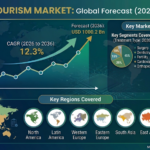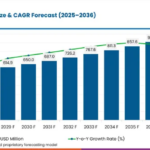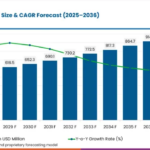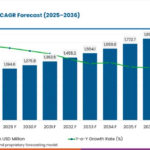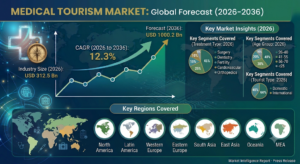


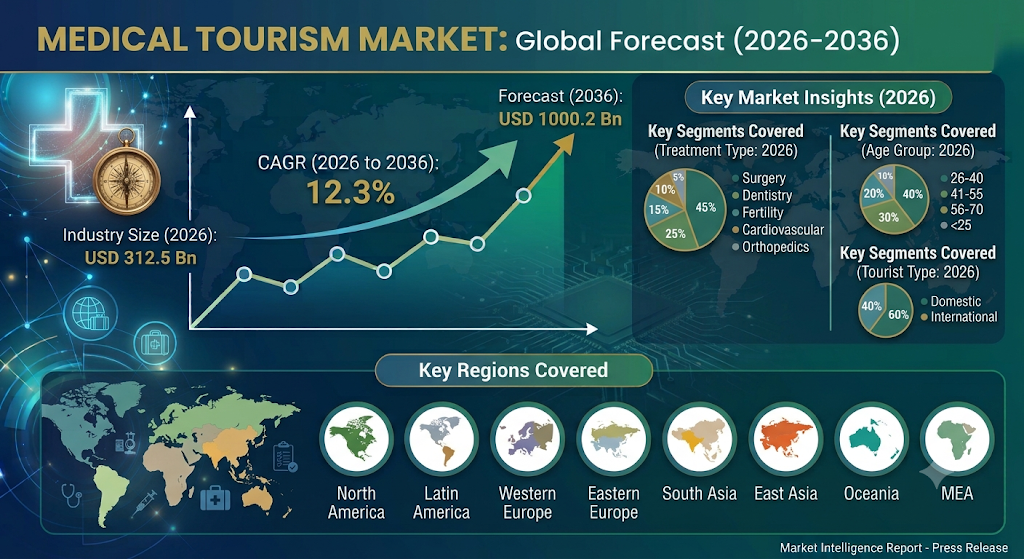
NEWARK, Del., November 10, 2026 — The global medical tourism market is projected to reach USD 1,000.2 billion by 2036, rising from USD 312.5 billion in 2026 at a compound annual growth rate (CAGR) of 12.3% during the forecast period, according to Future Market Insights (FMI). Growth reflects increasing demand for access to specialized medical procedures, competitive treatment costs, and healthcare facilities that can coordinate care for patients traveling across national borders.
Medical tourism has evolved beyond elective procedures into a broader international healthcare services market. Patients increasingly evaluate destinations based on clinical expertise, hospital infrastructure, treatment availability, accreditation, and the ability to coordinate travel and recovery. Hospitals and medical travel facilitators are responding with international patient departments, pre-arrival consultations, bundled treatment arrangements, and assistance with accommodation and documentation.
👉 Get Detailed Market Forecasts, Competitive Benchmarking, and Pricing Trends:
https://www.futuremarketinsights.com/reports/sample/rep-gb-249
The short version
The medical tourism market is entering a period of substantial expansion as patients compare healthcare options across countries. Established destination markets are competing through specialist hospitals, advanced treatment capabilities, and coordinated services for international patients.
The market’s projected growth also creates opportunities for hospitals, specialty clinics, medical travel facilitators, and supporting service providers. Their ability to combine reliable clinical services with transparent pricing and effective patient coordination will influence their competitiveness.
Three numbers that matter
- USD 312.5 billion: Global medical tourism market value projected for 2026.
- USD 1,000.2 billion: Forecast market value by 2036.
- 12.3%: Expected compound annual growth rate between 2026 and 2036.
These projections point to a significant expansion in cross-border healthcare expenditure over the next decade.
Why cross-border healthcare demand is increasing
Treatment affordability remains an important consideration for international patients. Differences in healthcare costs, waiting periods, and treatment availability encourage patients to assess options beyond their home markets. Destinations offering competitive prices alongside specialist expertise can attract demand for procedures that require substantial out-of-pocket expenditure.
The availability of specialized treatment is another important growth factor. Medical travelers seek services across cosmetic, dental, cardiovascular, orthopedic, infertility, and ophthalmic treatment categories. Hospitals with established clinical departments and access to advanced medical technologies can strengthen their appeal among patients seeking specific procedures.
Government initiatives and dedicated medical visa arrangements are also helping formalize international patient movement. Simplified documentation, healthcare-focused travel programs, and investment in hospital infrastructure can reduce administrative barriers. FMI highlights the expansion of India’s e-medical visa facilities to nationals of 171 countries as an example of policy support for cross-border patient flows.
Digital coordination is adding another layer to the market. Online consultations, digital appointment systems, and remote communication between patients and providers can help individuals evaluate treatment options before traveling. These services also support continuity of communication during the pre-treatment and post-treatment stages.
Treatment categories create multiple growth opportunities
The medical tourism market covers a wide range of treatment requirements, giving hospitals and specialist providers several avenues for international patient acquisition.
- Cosmetic treatment: Patients consider overseas providers for elective procedures, including hair restoration and aesthetic surgery, where treatment costs and specialist availability influence destination selection.
- Dental treatment: Dental procedures can attract international patients seeking competitive pricing and access to specialist services.
- Cardiovascular treatment: Complex cardiac procedures create demand for hospitals with specialist teams, advanced diagnostic facilities, and established treatment infrastructure.
- Orthopedic treatment: Joint-related procedures and other orthopedic interventions support demand for hospitals with dedicated surgical and rehabilitation capabilities.
- Infertility treatment: Fertility services attract patients evaluating specialist expertise, treatment availability, and the regulatory environment across destinations.
- Ophthalmic treatment: Eye-care procedures provide another established category within international medical travel.
The report also segments the market by age group, tourist type, service provider, traveler type, demography, booking channel, and region. This broad segmentation reflects the range of patient needs and service arrangements involved in cross-border healthcare.
Destination competitiveness depends on more than treatment prices
Medical tourism destinations compete through a combination of clinical reputation, infrastructure, accessibility, and patient support. Hospitals must demonstrate the capabilities needed to serve international patients while helping them navigate unfamiliar healthcare systems.
India is one of the destinations featured in the broader medical tourism landscape, supported by its hospital network and international patient services. Thailand, Singapore, Malaysia, Turkey, and South Korea also feature in the global competitive environment through specialist hospitals and destination-focused healthcare offerings.
For providers, the patient journey extends beyond the medical procedure. International patients may require assistance with medical records, preliminary consultations, travel documentation, accommodation, interpretation, and follow-up arrangements. Providers that coordinate these services effectively can improve the overall experience and strengthen referral relationships.
Who is moving the market?
FMI identifies several established hospital operators and specialist healthcare providers in its medical tourism market coverage. These include:
- Bumrungrad International Hospital
- Apollo Hospitals
- Mount Elizabeth Hospital
- Gleneagles Hospital
- Cleveland Clinic
- Johns Hopkins Medicine
- Seoul National University Hospital
- Turkeyana Clinic
- Prince Court Medical Centre
- Anadolu Medical Center
- Hospital Angeles
- Wooridul Spine Hospital
- Teknon Medical Center
- Samitivej Hospital
- Fortis Healthcare
Competition increasingly involves more than clinical capacity. International patient services, digital engagement, destination partnerships, and coordinated treatment arrangements can help providers differentiate their offerings. Medical travel facilitators also play a role by connecting patients with hospitals and supporting the administrative aspects of treatment journeys.
👉 Access the Complete Report in PDF Format: https://www.futuremarketinsights.com/reports/medical-tourism-market
Where to act and where to be careful
The forecast creates opportunities for healthcare groups investing in international patient departments, specialty treatment facilities, digital consultation systems, and partnerships with medical travel facilitators. Providers may also benefit from clearer treatment packages and more structured communication before and after procedures.
However, international healthcare expansion requires careful attention to patient safety, clinical quality, regulatory compliance, and continuity of care. Patients may face challenges related to medical-record transfer, language differences, follow-up treatment, and access to remedies if complications arise after returning home.
Hospitals and facilitators therefore need transparent service information, appropriate accreditation, clear treatment expectations, and practical post-treatment coordination. Sustainable growth will depend on building patient confidence alongside expanding international reach.
Frequently asked questions
How large is the medical tourism market in 2026?
The global medical tourism market is projected to reach USD 312.5 billion in 2026.
What will the medical tourism market be worth by 2036?
FMI forecasts that the market will reach USD 1,000.2 billion by 2036.
What is the expected CAGR for the medical tourism market?
The market is projected to grow at a CAGR of 12.3% between 2026 and 2036.
Which treatment categories are included in the market?
The market includes cosmetic, dental, cardiovascular, orthopedic, infertility, ophthalmic, and other treatments.
Which companies are profiled in the medical tourism market?
FMI’s report profiles organizations including Bumrungrad International Hospital, Apollo Hospitals, Mount Elizabeth Hospital, Cleveland Clinic, Johns Hopkins Medicine, Fortis Healthcare, and other international healthcare providers.
About Future Market Insights (FMI)
Future Market Insights (FMI) is a global market intelligence and consulting firm providing comprehensive market research, competitive intelligence, and strategic business insights across industries. The firm delivers detailed forecasts, technology analysis, and data-driven recommendations that support informed decision-making for manufacturers, investors, distributors, and policymakers worldwide.
For Press & Corporate Inquiries
Rahul Singh
AVP – Marketing and Growth Strategy
Future Market Insights, Inc.
+91 8600020075
For Sales – sales@futuremarketinsights.com