

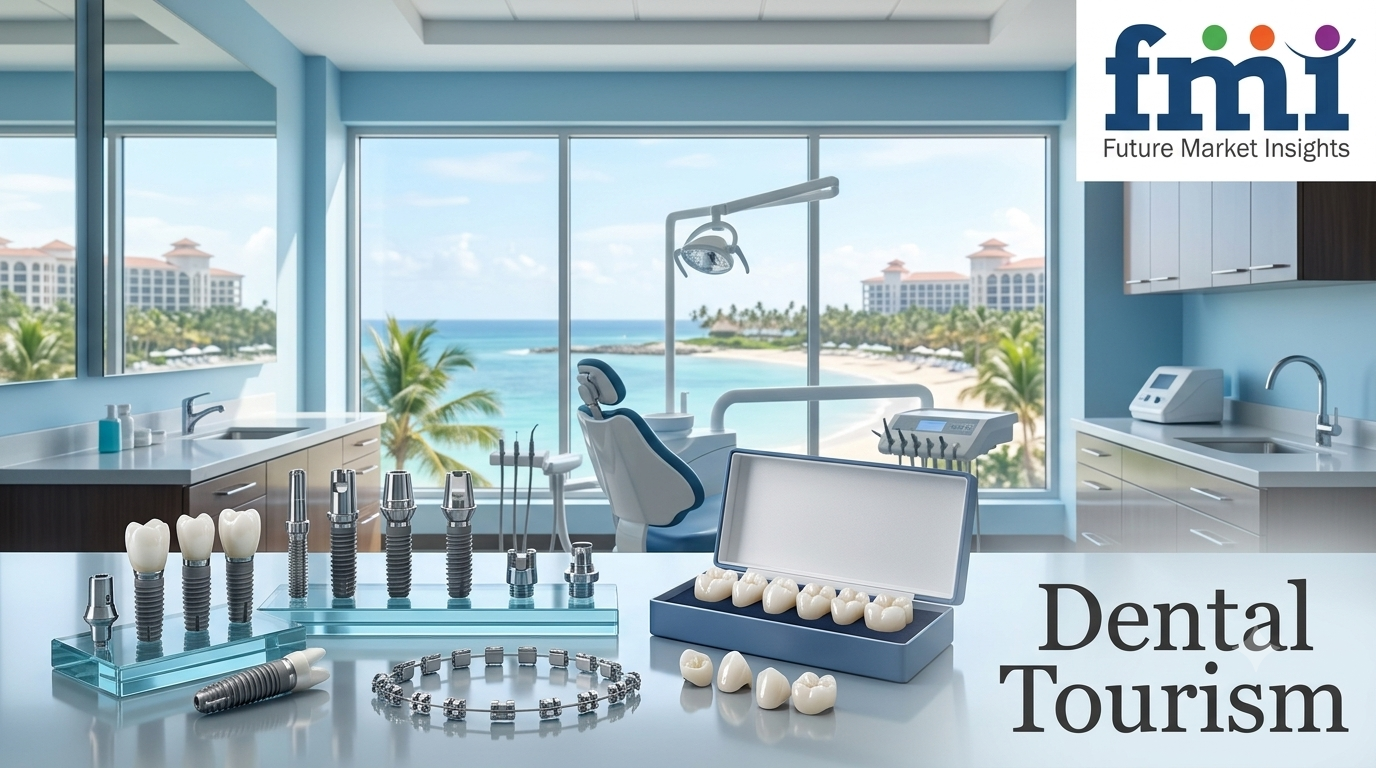
The global dental tourism market is entering a transformative phase, with its valuation expected to rise from USD 11.4 billion in 2026 to USD 40.7 billion by 2036, registering an impressive CAGR of 13.6%. As millions of international patients seek affordable yet high-quality dental treatments abroad, healthcare providers are strengthening their procurement strategies to improve clinical excellence, operational efficiency, and long-term competitiveness.
The rapid expansion of dental tourism is creating new opportunities not only for established manufacturers but also for emerging technology providers aiming to expand their global presence through strategic collaborations with hospitals and organized dental networks.
Procurement Becomes a Strategic Growth Driver
Procurement has evolved beyond routine purchasing into a strategic function that directly influences patient satisfaction and business performance. Large dental hospital groups are now evaluating sourcing models that balance operational consistency with technological flexibility.
Hospitals increasingly recognize that supplier relationships play a crucial role in delivering standardized treatment quality while supporting sustainable expansion across multiple international locations.
Single-Supplier Models Strengthen Operational Excellence
Many integrated dental hospital chains are adopting single-supplier procurement strategies to simplify operations and improve efficiency.
Key advantages include:
- Standardized treatment protocols across facilities
- Simplified inventory management and logistics
- Enhanced clinician training programs
- Better volume-based pricing and purchasing power
- Dedicated technical support and account management
- Faster equipment servicing and warranty benefits
These partnerships enable hospitals to maintain consistency in implant systems, prosthetic materials, and digital dentistry platforms, ultimately improving treatment outcomes and patient confidence.
Multi-Supplier Strategies Continue to Fuel Innovation
Despite the advantages of standardization, many leading dental tourism providers continue to embrace multi-supplier procurement models.
Diversified sourcing helps hospitals minimize supply chain disruptions while gaining access to specialized technologies and premium product categories.
By collaborating with multiple manufacturers, providers can offer:
- Advanced implant systems
- Cutting-edge orthodontic solutions
- High-performance intraoral scanners
- CAD/CAM restoration technologies
- AI-powered treatment planning software
- Cosmetic dentistry innovations
This flexibility enables providers to customize treatments according to patient preferences, budgets, and clinical requirements while maintaining resilience against supply uncertainties.
Established Manufacturers Maintain Market Leadership
Leading global manufacturers continue to shape procurement standards through investments in research, product reliability, and comprehensive service offerings.
Their competitive advantage increasingly extends beyond product quality to include:
- Clinical education programs
- Digital workflow integration
- Equipment maintenance services
- Software upgrades
- Technical consulting
- Long-term partnership support
As procurement evaluations become more comprehensive, established players are reinforcing their market positions through value-added services that strengthen customer relationships and improve operational performance.
Emerging Manufacturers Drive Technological Transformation
The growing dental tourism industry is also creating significant opportunities for new manufacturers and innovative technology companies seeking global expansion.
Emerging players are introducing next-generation solutions across digital dentistry, imaging systems, artificial intelligence, 3D printing, laboratory automation, and patient management platforms.
Their agility and innovation are helping providers improve diagnostic accuracy, streamline workflows, and enhance patient experiences.
Many hospitals are actively incorporating these new technologies into their procurement strategies, recognizing that innovation is becoming a major competitive differentiator in attracting international patients.
Technology Integration Shapes Future Procurement Decisions
Modern procurement contracts now extend far beyond product pricing.
Healthcare providers increasingly evaluate suppliers based on their ability to deliver complete technology ecosystems that integrate seamlessly with:
- Electronic health records
- Digital treatment planning platforms
- Laboratory management systems
- Patient communication portals
- Practice management software
Digital interoperability has become a critical purchasing criterion, enabling hospitals to improve operational efficiency while supporting higher patient volumes.
Quality Assurance and Risk Management Gain Importance
As international patient expectations continue to rise, hospitals are placing greater emphasis on supplier reliability and regulatory compliance.
Procurement teams now assess vendors based on:
- Manufacturing consistency
- Global certifications
- Clinical research evidence
- Product performance data
- On-time delivery capabilities
- Business continuity planning
- Inventory availability
Manufacturers capable of demonstrating measurable clinical outcomes and long-term treatment success are gaining stronger positions during contract negotiations.
Hospital Networks Influence Industry Standards
Organized dental networks and hospital chains are expected to represent an increasing share of market demand over the coming decade.
Their preference for comprehensive treatment packages and internationally recognized quality standards is influencing procurement practices across the industry.
As these organizations expand geographically across Asia-Pacific, Latin America, Eastern Europe, and the Middle East, suppliers must balance global standardization with regional regulatory requirements and local market dynamics.
New Business Opportunities for Manufacturers Worldwide
The accelerating growth of dental tourism presents substantial opportunities for both established industry leaders and emerging manufacturers looking to scale their operations internationally.
Companies investing in innovation, digital transformation, clinical validation, and integrated service models will be well-positioned to secure long-term procurement partnerships with leading healthcare providers.
As competition intensifies, manufacturers that combine technological excellence with operational reliability and customer support will play a pivotal role in shaping the future of global dental tourism.
Industry Outlook
The future of the dental tourism market will be defined by strategic procurement decisions that prioritize clinical quality, operational resilience, technological innovation, and long-term value creation.
While single-supplier partnerships offer consistency and efficiency, multi-supplier ecosystems provide flexibility and access to breakthrough technologies. The most successful providers and manufacturers will be those that embrace collaborative partnerships, invest in digital innovation, and align procurement strategies with the evolving needs of international dental patients.
Related Report:
Have a specific Requirements and Need Assistant on Report Pricing or Limited Budget please contact us – sales@futuremarketinsights.com
About Future Market Insights (FMI)
Future Market Insights, Inc. (FMI) is an ESOMAR-certified, ISO 9001:2015 market research and consulting organization, trusted by Fortune 500 clients and global enterprises. With operations in the U.S., UK, India, and Dubai, FMI provides data-backed insights and strategic intelligence across 30+ industries and 1200 markets worldwide.
Contact Us:
Future Market Insights Inc.
Christiana Corporate, 200 Continental Drive,
Suite 401, Newark, Delaware – 19713, USA
T: +1-347-918-3531
Why FMI: https://www.futuremarketinsights.com/why-fmi
For Sales Enquiries: sales@futuremarketinsights.com