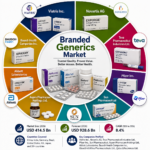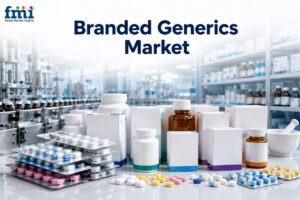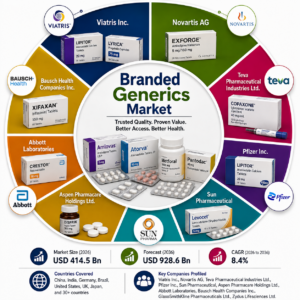


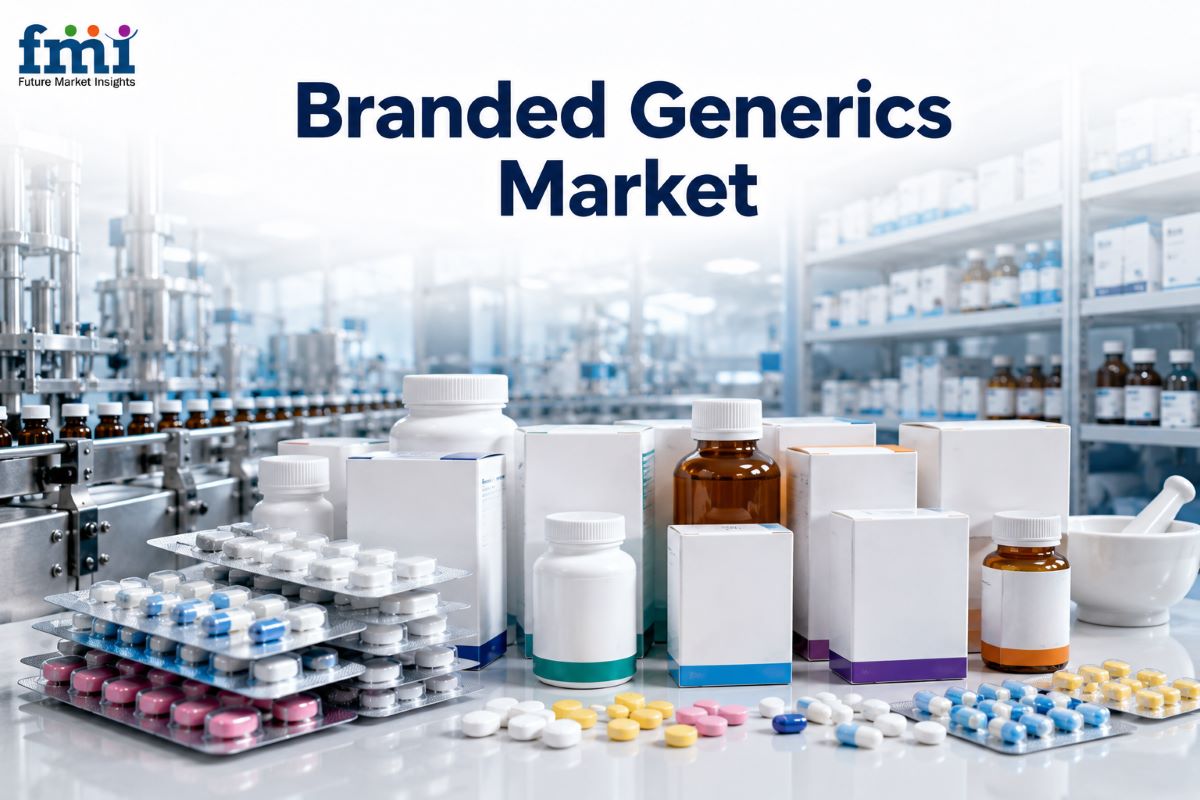
The generic drugs market is growing as more people look for low-cost medicines. Generic drugs contain the same active ingredients as their branded versions. They offer the same main use, dose, and safety standards. As a result, many patients choose generic drugs to lower treatment costs.
High healthcare costs support this trend. Patients with diabetes, heart disease, and stomach disorders often need medicine for many years. Therefore, low-cost drugs can help reduce the burden of long-term care. Moreover, governments and health groups continue to promote access to low-cost treatment.
Market Outlook
The generic drugs market is set to grow as healthcare systems seek to cut drug costs. More patients now need long-term care for chronic diseases. As a result, demand for low-cost medicines continues to rise.
Doctors and healthcare providers use generic drugs across many areas. These include diabetes, heart disease, stomach disorders, and other common health issues. In addition, drug makers continue to add more generic products to their portfolios.
Government programs also support the use of generic drugs. Furthermore, better patient awareness can help boost trust in these medicines.
Rising Healthcare Costs Drive Demand
High healthcare costs remain a key market driver. Chronic diseases often need long-term treatment. This can create a large cost for patients and families. As a result, many patients look for lower-cost drug options.
For example, a patient with diabetes may use generic metformin instead of Glucophage. Similarly, generic glipizide can replace the branded drug Glucotrol. These options can help patients save money on regular treatment.
Moreover, the rising number of people with chronic diseases should support demand for generic drugs.
Active Ingredients and Excipients Matter
Generic drugs use the same active ingredients as their approved branded versions. Therefore, they can offer similar treatment effects when they meet required quality standards.
However, drug makers may use different inactive ingredients. These can include dyes, fillers, binders, and preservatives. In some cases, these ingredients may affect how a drug works in the body.
Some patients may also react to certain inactive ingredients. For example, a person with an allergy may react to a dye or preservative. Therefore, doctors may review the full drug formula before choosing a medicine.
Manufacturing Can Affect Drug Performance
Manufacturing methods can also create differences between generic and branded drugs. Drug patents show the ingredients in a product. However, they may not show every step used to make the drug.
As a result, generic drug makers may use their own production methods. These methods must still meet strict quality rules.
Differences in the drug formula can affect how fast the body absorbs a medicine. They can also affect how long the drug works. For example, some changes may speed up or slow down drug release.
This issue matters more for time-release medicines. These drugs need to release their active ingredients at a set rate. Therefore, drug makers must control the release process with care.
Low-Cost Drugs Improve Access
Lower prices remain one of the main benefits of generic drugs. Branded medicines can cost more. This can create problems for people without good insurance or those who need medicine for many years.
Therefore, generic drugs can help more people afford vital treatment. They can also help health systems reduce drug spending.
Lower costs may also help patients stay on their treatment plans. As a result, affordable drugs can support better access to long-term care.
Generic Drugs Support Chronic Disease Care
Generic drugs play a key role in chronic disease treatment. Diabetes is one major area of use. Many people with diabetes need daily medicine for long periods.
Heart disease also creates strong demand for generic drugs. Similarly, patients use generic medicines to manage many stomach and digestive disorders.
As a result, drug makers continue to develop generic versions of well-known medicines. Patent expiry can also create new market openings for generic drug makers.
Growth Opportunities
The market offers strong growth opportunities as health systems focus on low-cost care. In addition, the rising number of chronic disease cases should create steady demand.
Key opportunities include generic drugs for:
- Diabetes
- Heart disease
- Gastrointestinal disorders
- Other chronic diseases
- Modified-release medicines
- Drug delivery systems
- Patient-friendly drug formulas
Drug makers can also improve their products through better formulas and production methods. Moreover, new technology can help improve drug quality and consistency.
Market Challenges
The generic drugs market also faces some challenges. Different inactive ingredients may cause problems for patients with allergies. In addition, changes in drug formulas may affect how the body absorbs or releases a medicine.
Regulatory rules also create challenges. Drug makers must meet strict quality and safety standards. Therefore, companies need strong testing and quality control systems.
Some patients also prefer branded drugs because they believe these products offer better quality. As a result, drug makers and healthcare providers need to build greater trust in generic medicines.
Competitive Landscape and Future Outlook
Competition in the generic drugs market centers on price, quality, product range, and production efficiency. Drug makers continue to expand their generic product lines.
Furthermore, companies that control costs while maintaining high quality can gain an edge in the market. Better drug formulas and delivery systems may also create new growth areas.
Future growth will depend on cost control, product quality, and strong regulatory compliance. As a result, companies that offer affordable and reliable medicines can improve their market position.
Conclusion
The generic drugs market is gaining importance as healthcare costs rise. Patients need affordable options for both short-term and long-term treatment. Generic drugs can help lower these costs and improve access to care.
Different inactive ingredients and production methods may create some differences between generic and branded drugs. However, approved generic medicines must meet strict quality and safety rules.
Ultimately, better drug technology, stronger manufacturing systems, and greater patient awareness will support the future growth of generic medicines.
Explore More Related Studies Published by FMI Research:
Unresectable Hepatocellular Carcinoma Market: https://www.openpr.com/news/4541647/unresectable-hepatocellular-carcinoma-market-led-by-usa
Surgical Gloves Market: https://www.openpr.com/news/4541674/surgical-gloves-market-dominated-by-south-korea-and-usa-ansell
Conveyor Belts Market: https://www.openpr.com/news/4543135/conveyor-belts-market-led-by-asia-pacific-continental-ag
FMI Custom Research: Strategic Intelligence for Confident Decision-Making
In today’s rapidly evolving business environment, leadership teams need more than market data—they need clear, actionable intelligence tailored to their strategic objectives. FMI’s Custom Research solutions are designed around the specific business questions organizations need answered, enabling executives to evaluate growth opportunities, validate investments, assess competitive dynamics, and reduce uncertainty before making critical decisions. By combining deep industry expertise, primary research, and proprietary market intelligence, FMI delivers insights that help organizations move from assumptions to evidence-based strategies with greater speed and confidence.
Key Executive Benefits
Decision-Ready Insights: Research tailored to your specific business challenges, growth plans, and investment priorities.
Reduced Strategic Risk: Validate market opportunities, customer demand, and competitive positioning before committing resources.
Market Entry Confidence: Assess opportunity size, regulatory barriers, channel dynamics, and competitive landscapes with precision.
Competitive Advantage: Gain proprietary intelligence unavailable through syndicated reports or internal datasets.
Faster Growth Decisions: Accelerate expansion, product development, portfolio optimization, and investment planning.
Primary Market Validation: Access real-world customer, buyer, and stakeholder insights that support high-confidence decision-making.
Global Industry Expertise: Powered by 100+ analysts, 20,000+ published reports, and 1.6 million+ hours of research experience.
Proven Track Record: Over 7,000 market-entry engagements completed across six regions and 14 industry sectors with strong client retention.
Business Impact
FMI helps organizations transform market complexity into strategic clarity, enabling leadership teams to identify growth opportunities faster, optimize resource allocation, strengthen competitive positioning, and make high-stakes business decisions with confidence.
To explore how FMI Custom Research can support your strategic priorities, please connect with our team at – sales@futuremarketinsights.com
About Future Market Insights (FMI)
Future Market Insights is a leading provider of market intelligence, consulting services, and syndicated research reports. FMI delivers actionable insights across food and beverage, healthcare, consumer goods, biotechnology, chemicals, industrial products, and emerging technologies, helping organizations identify growth opportunities and make informed strategic decisions in evolving global markets.
Contact Us:
Future Market Insights Inc.
Christiana Corporate, 200 Continental Drive,
Suite 401, Newark, Delaware – 19713, USA
T: +1-347-918-3531
Why FMI: https://www.futuremarketinsights.com/why-fmi
For Sales Enquiries: sales@futuremarketinsights.com
Website: https://www.futuremarketinsights.com