

The global topical pain relief market is witnessing steady growth as healthcare providers, consumers, and payers increasingly embrace non-invasive pain management solutions. Widely used for musculoskeletal disorders, arthritis, sports injuries, and chronic pain management, topical analgesics have become an important component of modern pain care strategies due to their convenience, accessibility, and reduced dependence on opioid-based therapies.
Growing demand for self-care healthcare products, increasing prevalence of chronic pain conditions, and expanding awareness of non-opioid treatment alternatives are reshaping competitive dynamics across the industry.
Market Outlook
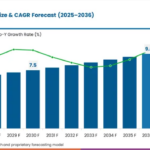
The topical pain relief market size was valued at USD 12.4 billion in 2026 and is anticipated to reach USD 21.3 billion by 2036, growing at a CAGR of 5.6% during the forecast period.
While market growth continues to be supported by rising demand for non-invasive pain management solutions, one of the most important structural changes affecting the industry is the regionalization of manufacturing operations. Supply chain resilience, regulatory compliance, and supply continuity are increasingly influencing strategic manufacturing decisions across the sector.
Manufacturing Regionalization Emerges as a Strategic Priority
One of the most significant trends shaping the topical pain relief market is the growing shift toward regionalized manufacturing models.
For decades, topical analgesic supply chains relied heavily on globally integrated production networks, with active pharmaceutical ingredients (APIs), excipients, packaging materials, and formulation activities often spread across multiple countries before reaching end markets.
While this approach delivered significant cost advantages, recent global disruptions exposed vulnerabilities associated with highly centralized manufacturing systems. Geopolitical uncertainty, logistics challenges, labor shortages, and regulatory disruptions have encouraged manufacturers to reassess their production strategies.
API Manufacturing Remains Concentrated in Asia
A major area of focus within the market involves the sourcing of active pharmaceutical ingredients
Many ingredients commonly used in topical pain relief products, including diclofenac, lidocaine, menthol derivatives, and various excipients, continue to be sourced primarily from established manufacturing ecosystems in Asia. Countries such as China and India maintain strong competitive advantages through large-scale production capacity, mature supplier networks, and favorable manufacturing economics.
These structural advantages continue to make Asia a critical component of the global topical pain relief supply chain.
Hybrid Manufacturing Models Gain Momentum
Rather than fully abandoning global sourcing strategies, many manufacturers are adopting hybrid manufacturing models.
Under this approach, APIs continue to be sourced from established international suppliers while formulation, packaging, and distribution activities are increasingly being located closer to end markets. This allows organizations to maintain cost competitiveness while improving supply security and operational responsiveness.
Regional manufacturing facilities can improve flexibility, shorten lead times, reduce inventory requirements, and strengthen coordination with regulatory authorities and commercial teams.
North America and Europe Lead Nearshoring Initiatives
North America is emerging as one of the most active regions for manufacturing regionalization.
Healthcare companies serving the United States and Canada are increasingly evaluating regional formulation and packaging operations to strengthen supply continuity and improve responsiveness to market demand. While global suppliers continue to provide critical ingredients, more value-added production activities are being conducted closer to consumers.
A similar trend is taking shape across Europe, where regulatory complexity, sustainability goals, and supply security concerns are encouraging manufacturers to build stronger regional production networks.
Total Supply Chain Cost Replaces Lowest-Cost Manufacturing
Manufacturing closer to developed markets often increases labor costs, energy expenses, environmental compliance requirements, and capital investment needs. As a result, regionalization initiatives are rarely driven by manufacturing cost savings alone.
Instead, organizations are increasingly evaluating total supply chain costs.
Decision-makers are considering factors such as transportation volatility, inventory carrying costs, supply disruption risks, regulatory uncertainty, and potential lost sales resulting from product shortages.
Healthcare Buyers Drive Supply Chain Transformation
Large healthcare distributors, retail pharmacy chains, hospitals, and healthcare systems are placing greater emphasis on supplier reliability, manufacturing transparency, and contingency planning. Procurement teams increasingly evaluate supply continuity programs alongside pricing considerations.
Manufacturers that demonstrate diversified production networks and strong resilience strategies may gain competitive advantages in contract negotiations and customer retention efforts.
Product Segmentation Highlights
Topical creams and gels continue to represent a significant share of market demand due to their widespread use in managing arthritis, musculoskeletal disorders, and sports-related injuries. Their large production volumes often favor scale-driven manufacturing strategies.
Specialty pain relief patches, premium formulations, and advanced drug-delivery systems may be better suited for regionalized manufacturing models, where higher product margins can offset increased production costs.
Challenges Facing the Market
Despite favorable growth prospects, several challenges continue to influence market dynamics.
API supply chains remain heavily dependent on specific geographic regions, creating ongoing exposure to geopolitical and regulatory risks. Regional manufacturing initiatives may also require significant capital investments and increase operational costs.
Successfully managing these competing priorities will remain critical to long-term success.
Regional Trends
North America and Europe are expected to remain at the forefront of manufacturing regionalization efforts due to growing emphasis on supply security, regulatory compliance, and healthcare resilience.
Asia is expected to maintain its dominant role in API manufacturing due to established pharmaceutical production infrastructure, cost competitiveness, and deep supplier ecosystems.
Competitive Landscape and Future Outlook
The topical pain relief market remains highly competitive, with manufacturers focusing on supply chain diversification, manufacturing flexibility, product innovation, and operational resilience.
Companies are increasingly investing in regional production capabilities, advanced formulation technologies, inventory optimization strategies, and supplier diversification programs to strengthen their competitive positioning.
Conclusion: Supply Chain Resilience Shapes the Future of the Topical Pain Relief Market
The topical pain relief market is entering a new phase of development where manufacturing resilience and regionalization are becoming as important as traditional cost optimization strategies.
While Asia will continue to play a central role in API production, formulation, packaging, and distribution activities are increasingly moving closer to end markets in North America and Europe. This evolution reflects growing demand for supply continuity, operational flexibility, and reduced disruption risks.
Explore More Related Studies Published by FMI Research:
Fucosidosis Therapeutics Market: https://www.openpr.com/news/4534916/fucosidosis-therapeutics-market-driven-by-north-america-as
PPG Biosensors Market: https://www.openpr.com/news/4534926/ppg-biosensors-market-led-by-united-states-as-medtronic-plc
Ringworm Treatment Market: https://www.openpr.com/news/4534932/ringworm-treatment-market-led-by-south-korea-as-bayer-ag
Have specific requirements or need assistance on report pricing or limited budget? Please contact us – sales@futuremarketinsights.com
About Future Market Insights (FMI)
Future Market Insights, Inc. (FMI) is an ESOMAR-certified, ISO 9001:2015 market research and consulting organization, trusted by Fortune 500 clients and global enterprises. With operations in the U.S., UK, India, and Dubai, FMI provides data-backed insights and strategic intelligence across 30+ industries and 1200 markets worldwide.