The global electric cargo bike market is poised to grow from USD 4.78 billion in 2025 to USD 18.05 billion by 2035, expanding at a CAGR of 14.2%. This surge is fueled by mounting pressure to decarbonize last-mile logistics and alleviate traffic congestion in densely populated cities.
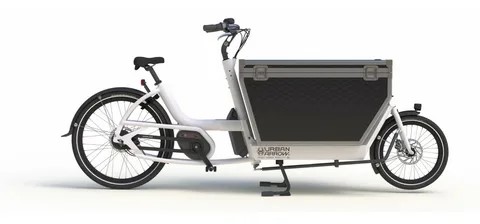
The electric cargo bike market is gaining rapid momentum as cities, logistics providers, and eco-conscious consumers seek sustainable alternatives for urban transportation and goods movement. Electric cargo bikes combine pedal-assist electric power with large-capacity cargo space, making them ideal for last-mile delivery, family transport, and small business logistics. As traffic congestion, emissions concerns, and urbanization challenges intensify, electric cargo bikes are emerging as a practical, efficient, and eco-friendly solution.
Transforming Urban Delivery and Last-Mile Logistics
Electric cargo bikes are revolutionizing last-mile delivery by offering a nimble and low-emission alternative to vans and trucks. Delivery companies, postal services, and food delivery platforms are integrating these bikes into their fleets to navigate dense urban areas with ease. Their compact size allows for quick parking, access to narrow streets, and faster delivery cycles—reducing operational costs and delivery times while supporting environmental goals.
Get Ahead with Our Report: Request Your Sample Now!
Supporting Family and Lifestyle Transportation
Beyond commercial use, electric cargo bikes are becoming popular among urban families and individuals seeking flexible transportation options. With spacious rear or front loading areas, these bikes can carry children, groceries, pets, and other essentials. Their electric assist capabilities make uphill rides and longer commutes manageable, replacing car trips and promoting healthier, low-impact mobility.
Enabling Sustainable Urban Mobility
As cities push for greener transportation infrastructure, electric cargo bikes align perfectly with climate and sustainability initiatives. Their zero-emission operation helps reduce air pollution and noise in residential and commercial zones. Governments and municipalities are incentivizing adoption through subsidies, dedicated bike lanes, and low-emission zone access, positioning electric cargo bikes as key components in the transition to cleaner cities.
Expanding Applications Across Sectors
From agriculture and hospitality to construction and mobile retail, electric cargo bikes are finding applications across diverse industries. Businesses are customizing bikes for specific needs, including refrigerated compartments for food delivery, shelving for mobile services, and branding for on-the-go marketing. This versatility expands their market appeal and drives innovation in cargo bike design and utility.
Innovation in Design and Battery Technology
Manufacturers are continuously improving electric cargo bike performance through lightweight materials, modular cargo systems, and enhanced motor and battery technologies. Extended range, fast-charging capabilities, and integrated connectivity features are making these bikes more reliable and user-friendly. Smart displays, GPS tracking, anti-theft systems, and digital diagnostics are increasingly integrated to enhance safety and fleet management.
Fleet Electrification and Shared Mobility Integration
Electric cargo bikes are being adopted in fleet electrification strategies by logistics companies and urban mobility providers. Sharing platforms and subscription-based models are gaining traction, enabling businesses and individuals to access electric cargo bikes without large upfront investments. This shared mobility approach fosters broader usage while optimizing vehicle utilization and urban space.
Government Support and Regulatory Frameworks
Regulatory bodies are actively promoting electric cargo bike adoption through infrastructure investments, grants, and policy frameworks. Initiatives to expand protected bike lanes, implement urban access restrictions for polluting vehicles, and streamline regulations for cargo bike operations are creating a supportive environment for growth. This public-private collaboration is critical for scaling adoption and normalizing their use in urban ecosystems.
Economic Viability and Cost Efficiency
Electric cargo bikes offer a compelling economic case by reducing fuel, maintenance, and operational expenses compared to motor vehicles. Small businesses, startups, and delivery services benefit from lower total cost of ownership and increased delivery efficiency. Their affordability and ease of operation make them accessible to a wide range of users, further accelerating market expansion.
Focus on Safety and Ergonomic Enhancements
To ensure safe operation in busy urban environments, manufacturers are investing in ergonomic designs, enhanced braking systems, visibility aids, and stability features. Training programs and safety regulations are being developed to ensure riders and pedestrians remain safe as the volume of electric cargo bikes increases on city streets.
Power Your Business Growth: Invest in Key Insights with Our Report Checkout!
Future Outlook
The electric cargo bike market is poised for strong, sustained growth as urban mobility undergoes a green transformation. With continued innovation, supportive policy frameworks, and growing consumer awareness, these bikes are set to become indispensable tools for clean transportation, agile logistics, and efficient urban living. As cities seek to balance accessibility, sustainability, and livability, electric cargo bikes will play a pivotal role in shaping the future of smart, people-centered mobility.
Contact Us:
Future Market Insights Inc.
Christiana Corporate, 200 Continental Drive,
Suite 401, Newark, Delaware – 19713, USA
T: +1-845-579-5705
For Sales Enquiries: sales@futuremarketinsights.com
Website: https://www.futuremarketinsights.com
LinkedIn| Twitter| Blogs | YouTube