

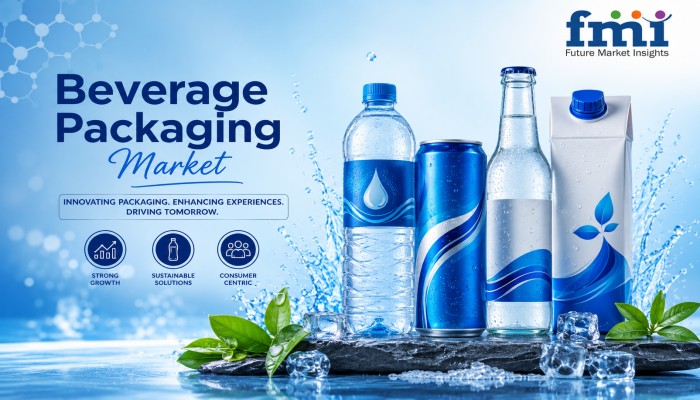
The global beverage packaging industry is undergoing a major transformation as manufacturers navigate rising material costs, sustainability expectations, and increasing demand for advanced packaging solutions. While consumers often associate packaging value with design and appearance, the true economics of beverage packaging are driven by raw material sourcing, manufacturing efficiency, technological innovation, and supply chain optimization.
For established manufacturers and emerging players alike, understanding these cost dynamics is essential for maintaining competitiveness and expanding market presence.
Key Factors Shaping Beverage Packaging Profitability
The profitability of beverage packaging is determined by three critical layers:
- Material sourcing efficiency and supplier relationships
- Manufacturing scale and automation capabilities
- Brand positioning and value-added product offerings
Industry leaders such as Ball Corporation and Crown Holdings have built strong competitive advantages through large-scale procurement agreements, automated production facilities, and continuous investment in research and development. These capabilities allow them to manage fluctuating raw material costs while maintaining healthy profit margins.
Meanwhile, newer manufacturers are increasingly focusing on niche markets, sustainable materials, and innovative packaging formats to differentiate themselves and capture market share.
Why Aluminum Cans Continue to Command Premium Pricing
Although aluminum cans are widely recognized for their recyclability, their cost structure extends far beyond raw aluminum prices.
Modern can production requires:
- High-speed automated manufacturing lines
- Advanced coating and lining technologies
- Precision forming and sealing systems
- Quality monitoring and inspection equipment
These investments create significant barriers to entry, making aluminum can manufacturing one of the most capital-intensive packaging segments.
At the same time, aluminum remains one of the most recycled beverage packaging materials. High recycled content supports sustainability goals but also requires sophisticated collection, processing, and supply chain infrastructure. As a result, manufacturers that possess technical expertise and integrated operations can maintain stronger pricing power and long-term profitability.
PET Bottles Remain the Cost-Efficiency Leader
Despite increasing environmental scrutiny, PET bottles continue to dominate global beverage packaging due to their cost advantages.
Key benefits include:
- Lower raw material costs
- Lightweight transportation
- Energy-efficient manufacturing
- Scalable mass-production capabilities
The blow-molding process used in PET bottle production requires less energy and equipment investment compared to aluminum and glass packaging. These efficiencies make PET bottles particularly attractive for bottled water, soft drinks, and other high-volume beverage categories.
For emerging manufacturers, PET packaging often provides a lower-cost entry point into the beverage packaging market while enabling rapid production expansion.
Technology Is Becoming the Ultimate Competitive Advantage
Today’s beverage packaging industry is no longer focused solely on container production. Success increasingly depends on technological innovation and operational intelligence.
Manufacturers are investing in:
- IoT-enabled production monitoring
- Automated quality inspection systems
- Lightweight packaging engineering
- Advanced barrier and coating technologies
- Recycling-compatible packaging solutions
These innovations improve production efficiency, reduce waste, and enhance product performance, helping manufacturers meet evolving customer and regulatory requirements.
Growth Opportunities for Established and Emerging Players
As beverage brands seek sustainable, cost-effective, and innovative packaging solutions, manufacturers that combine scale with technology will be best positioned for growth.
Established companies can strengthen their leadership through capacity expansion, automation, and product diversification. At the same time, new entrants can capitalize on specialized packaging formats, sustainable alternatives, and advanced manufacturing technologies to build competitive advantages.
In an increasingly dynamic market, the future of beverage packaging belongs to manufacturers that view packaging not simply as a container, but as a strategic platform for innovation, sustainability, and long-term business growth.
Explore More Related Studies Published by FMI Research:
- Beverage Packaging Machine Market: https://www.futuremarketinsights.com/reports/beverage-packaging-machine-market
- Beverage Filter Paper Market: https://www.futuremarketinsights.com/reports/beverage-filter-paper-market
- Beverage Coaster Market: https://www.futuremarketinsights.com/reports/beverage-coaster-market
About Future Market Insights (FMI)
Future Market Insights, Inc. (FMI) is an ESOMAR-certified, ISO 9001:2015 market research and consulting organization, trusted by Fortune 500 clients and global enterprises. With operations in the U.S., UK, India, and Dubai, FMI provides data-backed insights and strategic intelligence across 30+ industries and 1200 markets worldwide.
Contact Us:
Future Market Insights Inc.
Christiana Corporate, 200 Continental Drive,
Suite 401, Newark, Delaware – 19713, USA
T: +1-347-918-3531
For Sales Enquiries: sales@futuremarketinsights.com
Website: https://www.futuremarketinsights.com
LinkedIn| Twitter| Blogs | YouTube