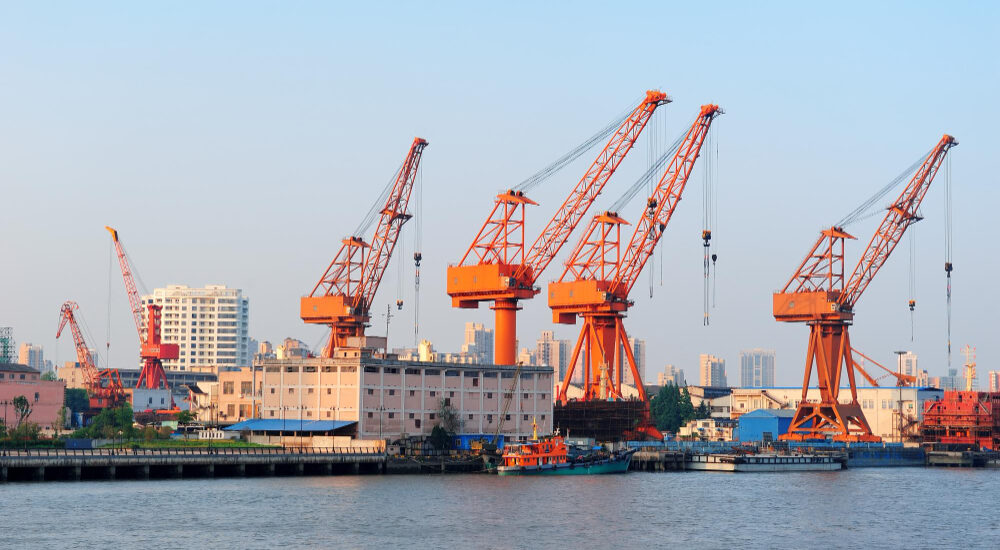
The global marine loading arms market is entering a phase of steady and strategic expansion, supported by rising investments in port infrastructure, terminal modernization, and the growing need for safe and efficient bulk liquid transfer systems. Valued at USD 575.1 million in 2026, the market is projected to reach USD 1,010.6 million by 2036, registering a CAGR of 5.8% and generating an absolute growth opportunity of USD 435.5 million over the forecast period.
Unlike conventional equipment-driven markets, marine loading arms are treated as critical infrastructure assets within ports and terminals. Their importance lies not only in fluid transfer but also in maintaining berth availability, minimizing downtime, and ensuring operational reliability. A single failure can disrupt vessel schedules, increase demurrage costs, and impact entire supply chains, particularly in LNG, chemical, and petroleum terminals where precision and timing are critical.
Market Size, Growth & Forecast Outlook (2026–2036)
- 2026 Market Value: USD 575.1 Million
• 2030 Market Value: USD 768.4 Million
• 2036 Market Value: USD 1,010.6 Million
• CAGR (2026–2036): 5.8%
• Total Growth: 75.7% (~1.7X expansion)
Get detailed market forecasts, competitive benchmarking, and pricing trends:
https://www.futuremarketinsights.com/reports/sample/rep-gb-31279
Growth Phases
- 2026–2030: Demand driven by terminal upgrades, safety compliance, and LNG infrastructure expansion (+USD 193.3M)
• 2030–2036: Growth fueled by high-specification systems, automation integration, and retrofit projects (+USD 242.2M)
Key Market Drivers
- Rising Demand for Terminal Safety & Reliability
Marine loading arms are essential for safe transfer of hazardous liquids and gases. Increasing safety regulations and incident-driven upgrades are pushing adoption across ports globally.
- Growth in LNG, Chemical & Petroleum Trade
Expansion in LNG terminals and chemical handling facilities is creating demand for high-specification, corrosion-resistant, and cryogenic loading systems.
- Terminal Modernization & Infrastructure Investments
Governments and private operators are investing in port modernization to improve efficiency, reduce downtime, and accommodate larger vessels and diverse cargo.
Supply Chain Analysis (Who Supplies Whom)
Upstream Suppliers
• Steel and alloy manufacturers
• Component suppliers (swivel joints, seals, valves)
Midstream Producers
• Marine loading arm manufacturers
• Engineering and fabrication companies
Downstream Processors
• EPC contractors
• Terminal infrastructure developers
End-Users
• Oil & gas terminals
• Chemical ports
• LNG/LPG facilities
Insight: Service-based offerings such as inspection, refurbishment, and lifecycle management are becoming key revenue drivers.
Key Segmentation Insights
By Product Type
- Top-mounted loading arms: ~42% share (dominant)
• Cryogenic loading arms: High-value segment
• Bottom-load arms
• Submerged loading arms
By Fluid Type
- Petroleum & crude oil: ~48% share
• Chemical & petrochemical fluids
• LNG & LPG
• Food-grade liquids
Pricing Trends & Cost Dynamics
- Pricing influenced by material quality, certification, and customization
• Cryogenic systems command premium pricing
• Logistics and fabrication complexity impact costs
• Lifecycle service contracts improve cost efficiency
Trend Insight: Integration of automation and monitoring systems is increasing upfront costs but reducing long-term operational expenses.
Regional Analysis & Growth Hotspots
Asia Pacific – The Market Leader
Asia Pacific dominates due to rapid port expansion, industrial growth, and rising energy demand.
Country-Level CAGR (2026–2036)
- India: 6.8% (fastest growing)
• China: 6.5%
• Brazil: 5.7%
• USA: 5.5%
• UK: 5.2%
India Leads Global Expansion
India’s growth is driven by:
• Port infrastructure development programs
• Increasing LNG terminal capacity
• Rising petroleum and chemical throughput
• Government-backed logistics modernization initiatives
Unlock 360° insights for strategic decision making and investment planning:
https://www.futuremarketinsights.com/checkout/31279
Competitive Landscape
The marine loading arms market is moderately consolidated, with a mix of global engineering firms and specialized manufacturers competing on technology, reliability, and service capabilities.
Leading Companies
- John Zink Hamworthy Combustion
• TechnipFMC
• Miller Fluid Power
• Schmid Rhein Mobility
• Beka Associates
Competitive Strategies
- Development of automated and smart loading systems
• Expansion of service and refurbishment offerings
• Focus on cryogenic and high-specification systems
• Strategic partnerships with EPC contractors
Key Trends Shaping the Market
- Growing adoption of automation and remote monitoring
• Increasing demand for cryogenic and LNG-compatible systems
• Shift toward lifecycle service contracts
• Integration with vapor recovery and emission control systems
• Rising importance of safety compliance and certification
Market Challenges & Risks
- High retrofit and installation costs
• Complex regulatory compliance requirements
• Long replacement cycles due to infrastructure lock-in
• Volatility in project-based demand
Investment Opportunities
- Expansion of LNG and chemical terminals
• Development of smart and automated loading arms
• Growth in emerging markets such as India and Brazil
• Aftermarket services and lifecycle management solutions
• Advanced materials for corrosion resistance and durability
Speak to Analyst: Customize insights for your business strategy:
https://www.futuremarketinsights.com/customization-available/rep-gb-31279
Future Outlook (2036 and Beyond)
The marine loading arms market is expected to evolve into a technology-driven and safety-centric ecosystem. Growth will increasingly depend on terminal modernization, changing cargo mix, and the adoption of advanced automation systems.
As global trade in LNG, chemicals, and petroleum products continues to expand, marine loading arms will play a crucial role in ensuring safe, efficient, and reliable transfer operations. Their importance as critical infrastructure assets will continue to grow, making them indispensable for future-ready port and terminal operations.
Why FMI:
https://www.futuremarketinsights.com/why-fmi
About Future Market Insights (FMI)
Future Market Insights, Inc. (FMI) is an ESOMAR-certified, ISO 9001:2015 market research and consulting organization, trusted by Fortune 500 companies and global enterprises. FMI delivers data-driven insights and strategic intelligence across multiple industries worldwide.
Contact Us:
Future Market Insights Inc.
Christiana Corporate, 200 Continental Drive,
Suite 401, Newark, Delaware – 19713, USA
T: +1-347-918-3531
For Sales Enquiries: sales@futuremarketinsights.com
Website: https://www.futuremarketinsights.com