The smart food packaging market is on the brink of significant transformation, projected to expand from USD 28.5 billion in 2025 to USD 53 billion by 2035, growing at a CAGR of 6.4%. This surge reflects more than just numbers; it represents a broader shift in how food safety, quality, and sustainability are prioritized in the global food ecosystem.
Between 2025 and 2030, the industry is expected to climb steadily from USD 28.5 billion to USD 38.9 billion, with consumer demand acting as the primary catalyst. Freshness indicators, temperature sensors, and anti-spoilage technologies are increasingly sought after by both producers and consumers. From 2030 onward, momentum will accelerate as RFID systems, intelligent labels, and traceability tools move into mainstream adoption, pushing the industry toward the forecasted USD 53 billion value by 2035.
Technology Driving Consumer Trust
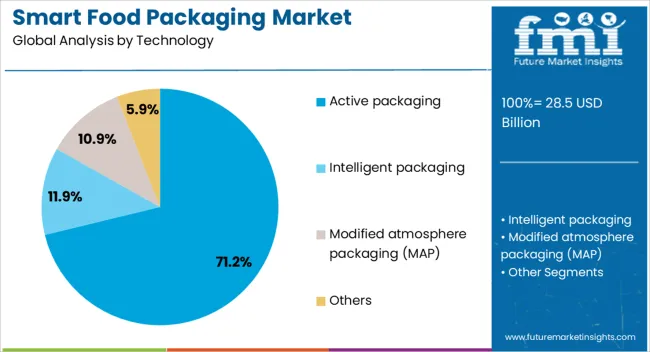
At the heart of this growth lies innovation in packaging technologies. Active packaging alone is expected to command over 71% of the market share by 2025. With features like oxygen scavengers and antimicrobial layers, active packaging is helping extend the shelf life of dairy, meat, seafood, and fresh produce, reducing food waste and building consumer confidence in product safety.
The appeal lies not just in preservation but in transparency. Intelligent packaging systems, which allow consumers to access real-time data about the quality and safety of the food they buy, are gaining traction globally. Smart QR codes and RFID tags are also revolutionizing logistics, ensuring both producers and distributors can track products throughout their journey.
Materials and Functionality: Meeting Practical and Environmental Demands
Plastic remains the dominant material for smart food packaging, with an estimated 43% share in 2025. Its durability, versatility, and adaptability to advanced packaging technologies make it an indispensable choice. But manufacturers are keenly aware of environmental concerns, leading to advancements in recyclable and bio-based plastics that strike a balance between cost-effectiveness and sustainability.
Shelf life extension continues to be the most valued functionality, expected to account for 37% of the market share by 2025. This demand reflects a global effort to minimize food waste while ensuring safety and freshness across supply chains. Whether it’s managing moisture, regulating oxygen levels, or integrating spoilage detection tools, this functionality has become a central focus for both manufacturers and regulators.
Regional Outlook: Emerging and Developed Markets
Growth is not evenly distributed. China leads the way with a projected CAGR of 8.6%, propelled by rapid urbanization, rising disposable incomes, and government initiatives supporting sustainable packaging. India follows closely at 8%, with booming food processing and e-commerce sectors demanding innovative packaging solutions that ensure safety and efficiency.
Europe’s mature markets, particularly Germany and the UK, are seeing growth fueled by stringent food safety regulations and a strong push toward sustainability. Germany’s well-established food and beverage sector, combined with consumer demand for eco-friendly products, places it at a 7.4% CAGR. The UK market, at 6.1%, is heavily influenced by consumer awareness of waste reduction and sustainable consumption.
The United States, while growing at a slower pace of 5.4%, remains a hub for technological innovation in digital packaging solutions. Here, integration of data-driven technologies ensures that even as growth is steadier, the impact on packaging innovation remains significant.
Opportunities and Challenges Ahead
The market’s growth story is defined by opportunities in e-commerce and online grocery retail. As more consumers shift to online shopping for food products, packaging that guarantees freshness and traceability during transport becomes vital. QR codes for authenticity, freshness sensors for spoilage detection, and tamper-evident features are becoming non-negotiables in this digital-first retail landscape.
Still, challenges remain. High production costs and complex technologies make adoption difficult for smaller food producers. While large global players can scale advanced packaging solutions, small and mid-sized businesses must balance cost efficiency with innovation. Industry stakeholders are now investing in scalable, affordable smart packaging solutions to democratize access and drive wider adoption across the food supply chain.
Competitive Landscape: Innovation at the Forefront
Leading players are already reshaping the industry. Amcor, with its global reach, continues to focus on flexible and sustainable packaging solutions that enhance shelf life and freshness. Sealed Air has pioneered intelligent packaging with sensors that track temperature and freshness in real-time, while Tetra Pak remains a leader in eco-conscious, nutrition-preserving designs.
Other key players bring specialized expertise to the table. Avery Dennison is advancing RFID-based labeling to streamline traceability, while Stora Enso emphasizes renewable and sustainable packaging solutions. Smurfit Kappa leverages its expertise in corrugated packaging to combine protection with consumer engagement.
Material innovators like BASF and 3M are enhancing packaging durability and safety through advanced coatings and functional layers, while DS Smith and Crown Holdings are expanding their footprint in protective and brand-focused smart packaging solutions. Together, these companies are defining the competitive future of smart food packaging through continuous R&D and consumer-focused innovations.
Why This Report Matters for Stakeholders
For stakeholders, from established manufacturers to new entrants, this market report offers actionable insights into a rapidly evolving sector. Established players can use it to refine strategies and identify growth segments such as active packaging and bio-based materials. For new manufacturers, it offers pathways to enter niche markets with scalable smart technologies tailored to local and regional demands.
Investors, policymakers, and food producers alike will find value in understanding the interplay between consumer demand, regulatory pressures, and technological innovation. With sustainability at the forefront and consumer convenience shaping expectations, the smart food packaging market is set to be a cornerstone of the modern food economy.
Purchase this Report for USD 5,000 Only | Get an Exclusive Discount Instantly! https://www.futuremarketinsights.com/checkout/24719
Everything You Need—within Your Budget. Request a Special Price Now! https://www.futuremarketinsights.com/reports/sample/rep-gb-24719
About Future Market Insights (FMI)
Future Market Insights, Inc. (ESOMAR certified, recipient of the Stevie Award, and a member of the Greater New York Chamber of Commerce) offers profound insights into the driving factors that are boosting demand in the market. FMI stands as the leading global provider of market intelligence, advisory services, consulting, and events for the Packaging, Food and Beverage, Consumer Technology, Healthcare, Industrial, and Chemicals markets. With a vast team of over 400 analysts worldwide, FMI provides global, regional, and local expertise on diverse domains and industry trends across more than 110 countries.
Contact Us:
Future Market Insights Inc.
Christiana Corporate, 200 Continental Drive,
Suite 401, Newark, Delaware – 19713, USA
T: +1-347-918-3531
For Sales Enquiries: sales@futuremarketinsights.com
Website: https://www.futuremarketinsights.com
LinkedIn| Twitter| Blogs | YouTube