The demand for products derived from food waste in Western Europe is projected to grow steadily, driven by circular economy policies, consumer sustainability preferences, and advancements in waste valorization technologies. According to recent estimates, the regional market is expected to rise from USD 10.5 billion in 2025 to USD 16 billion by 2035, reflecting a CAGR of 4.3% over the forecast period.
This expansion is propelled by heightened environmental awareness, regulatory initiatives targeting waste reduction, and the growing integration of eco-friendly ingredients across industries such as food, beverages, cosmetics, nutraceuticals, and animal feed.
Preview the Latest Trends – Request a Sample Copy: https://www.futuremarketinsights.com/reports/sample/rep-gb-18275
Quick Stats on Western Europe Food Waste Market
- Market Value (2025): USD 10.5 billion
- Forecast Market Value (2035): USD 16 billion
- CAGR (2025–2035): 4.3%
- Top Source (2025): Citrus fruits (19% share)
- Leading Application (2025): Food processing (24% share)
- Fastest-Growing Markets: United Kingdom (5.6% CAGR), Spain (4.8% CAGR)
Market Dynamics: From Waste to High-Value Products
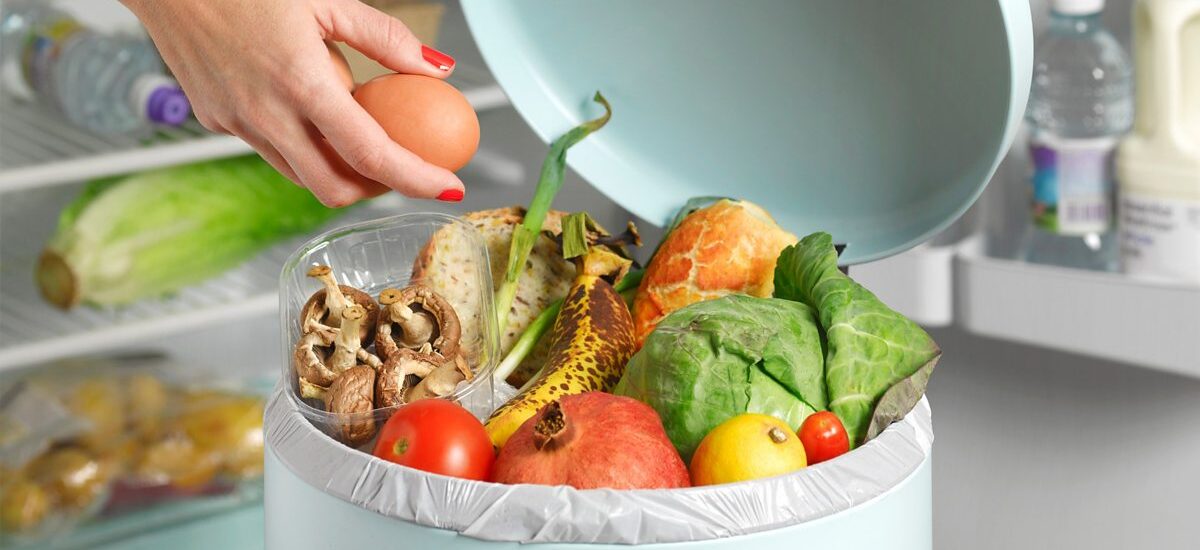
The momentum for products derived from food waste reflects the increasing alignment of Western European industries with circular economy principles. Manufacturers are utilizing advanced extraction methods to convert byproducts such as fruit peels, vegetable trimmings, and winery residues into valuable ingredients including essential oils, fibers, antioxidants, and natural flavoring compounds.
By 2025, per capita utilization of food waste-derived products in countries such as Germany, France, and the UK ranges between 15.2 and 18.7 kg, with consumption projected to grow to 23.1–28.4 kg per capita by 2035.
By Source: Citrus Fruits Lead with 19% Share
Citrus fruits remain the most dominant source, contributing 19% of total utilization in 2025, driven by the abundance of citrus peel waste from juice processing. Extracted pectin, dietary fibers, and essential oils are widely used in food, beverages, and cosmetic applications.
Other notable segments include:
- Apples (16%) – valued for pomace utilization in fiber and antioxidant extraction.
- Grapes (14%) – driven by wine industry byproducts for cosmetics and nutraceuticals.
- Carrots (12%) – used in natural colorants and carotenoid-based supplements.
- Mangoes (11%) – gaining traction due to tropical fruit processing and flavor compound extraction.
By Application: Food Processing Dominates with 24% Share
Food processing applications lead the market, accounting for 24% of total demand in 2025, supported by sustainability regulations and cost-saving opportunities. Beverage processing (21%), animal feed (18%), and cosmetics & personal care (16%) also represent significant application areas.
Notably, dietary supplements and nutraceuticals are emerging as one of the fastest-growing categories, reflecting consumer demand for natural wellness products.
Country-Wise Insights: UK and Spain Lead Growth
The Western European market shows diverse growth patterns across key countries:
- Germany – Largest market, projected to reach USD 5.4 billion by 2035. Despite a lower CAGR of 3.4%, Germany leads in processing infrastructure and per capita valorization, expected to hit 28.4 kg by 2035.
- United Kingdom – Fastest-growing market at 5.6% CAGR, fueled by strong innovation ecosystems and adoption of advanced anaerobic digestion and biogas technologies.
- France – Estimated to generate USD 2.8 billion by 2035, driven by premium and gourmet applications integrating food waste into high-value culinary and cosmetic ingredients.
- Italy – Growth at 4.5% CAGR, leveraging agricultural waste from olive and citrus production to develop specialized Mediterranean applications.
- Spain – CAGR of 4.8%, benefitting from citrus and grape processing, alongside renewable energy integration through biogas production.
Competitive Landscape: Key Players and Strategies
The competitive environment is shaped by both large-scale waste management companies and specialized startups driving innovation in circular economy applications.
- Veolia Environment – A leader in comprehensive waste processing and valorization technologies, serving diverse industries.
- SUEZ – Focuses on integrated waste management and circular solutions for food and beverage sectors.
- Renewi – Specializes in environmentally responsible waste processing and value-added conversion.
- Biogen – Strong in anaerobic digestion and renewable energy generation from food waste.
- ReFood – Provides collection and conversion solutions for manufacturers and retailers.
In addition to established players, startups are reshaping niche applications:
- Bio-bean Ltd. – Converts coffee grounds into biofuels and natural products.
- GroCycle – Innovates in mushroom cultivation using coffee waste.
- Toast Ale Ltd. – Produces sustainable beer using surplus bread.
Recent Developments: Innovation in Circular Economy
The sector continues to witness breakthroughs in sustainable product design. In April 2025, Aeropowder launched PluumoPlus, the world’s first feather-based thermal packaging solution. This London-based innovation replaces conventional insulation materials with recycled feathers, setting new standards for eco-friendly cold chain logistics.
Such advancements highlight the region’s ability to merge environmental responsibility with commercial innovation, further fueling demand for food waste-derived products across industries.
Get PDF Brochure: https://www.futuremarketinsights.com/reports/brochure/rep-gb-18275
Outlook: Sustainable Growth Ahead
With regulatory frameworks tightening, consumer demand rising, and technologies advancing, the Western European market for products from food waste is expected to remain on a robust growth trajectory. The shift from waste disposal to value creation positions this sector at the heart of sustainable industrial transformation.
Germany will continue to dominate in absolute market size, while the United Kingdom and Spain are set to lead in growth rates. The combination of established players and disruptive startups ensures a competitive yet collaborative environment, encouraging further innovations across food, energy, cosmetics, and wellness applications.
As circular economy adoption accelerates, products from food waste are no longer niche alternatives but increasingly mainstream components of Western Europe’s sustainable growth strategy.
About Future Market Insights (FMI)
Future Market Insights, Inc. (ESOMAR certified, recipient of the Stevie Award, and a member of the Greater New York Chamber of Commerce) offers profound insights into the driving factors that are boosting demand in the market. FMI stands as the leading global provider of market intelligence, advisory services, consulting, and events for the Packaging, Food and Beverage, Consumer Technology, Healthcare, Industrial, and Chemicals markets. With a vast team of over 400 analysts worldwide, FMI provides global, regional, and local expertise on diverse domains and industry trends across more than 110 countries.
Contact Us:
Future Market Insights Inc.
Christiana Corporate, 200 Continental Drive,
Suite 401, Newark, Delaware – 19713, USA
T: +1-347-918-3531
For Sales Enquiries: sales@futuremarketinsights.com
Website: https://www.futuremarketinsights.com
LinkedIn| Twitter| Blogs | YouTube