The global ceramic sanitary ware market is poised for steady and sustained growth over the next decade. With evolving consumer lifestyles, rapid urbanization, and increasing investments in residential and commercial infrastructure, ceramic sanitary ware has become more than a functional necessity—it is now a statement of style, hygiene, and sustainability.
The market is expected to be valued at USD 4 billion in 2025, growing to USD 5.9 billion by 2035, at a CAGR of 3.8%. This upward trajectory reflects not only the rising demand for premium bathroom solutions but also the adoption of innovative, eco-efficient designs that align with environmental and aesthetic priorities.
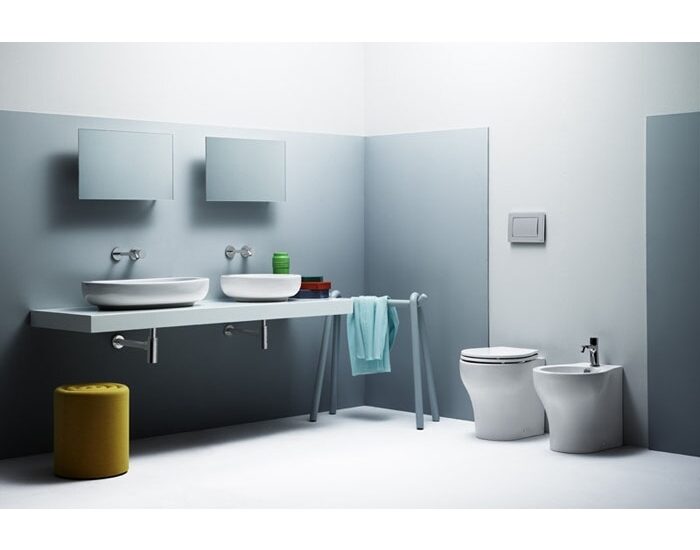
Ceramic sanitary ware refers to bathroom and sanitary fittings made from ceramic materials, which are molded, glazed, and fired at high temperatures to achieve strength, water resistance, and durability. Common products include washbasins, toilets, bidets, urinals, and bathtubs.
Discover Growth Opportunities in the Market – Get Your Sample Report Now
https://www.futuremarketinsights.com/reports/sample/rep-in-1682
Key Growth Drivers of Ceramic Sanitary Ware Market
- Urbanization and Infrastructure Development: Rapid urbanization in emerging economies is significantly increasing the demand for housing and commercial spaces. Government-led housing programs in India, China, and GCC nations are particularly fueling the market. As urban households demand modern bathrooms, ceramic sanitary ware is becoming a standard inclusion in construction projects.
- Shift Toward Intelligent Bathroom Solutions: Consumers are increasingly seeking smart toilets, touchless flushing systems, and water-saving faucets integrated into ceramic designs. These products align with growing hygiene awareness and a preference for contactless technology—a trend that gained momentum post-pandemic.
- Eco-Efficiency as a Market Differentiator: Environmental concerns are pushing manufacturers to develop water-saving ceramic fixtures and adopt low-carbon production processes. Regulatory bodies are promoting green building certifications, encouraging developers to install eco-efficient sanitary ware in residential and commercial projects.
Technological Advancements in Ceramic Sanitary Ware
The industry is witnessing rapid innovation in both product design and manufacturing. New glazing techniques have improved surface smoothness, reducing bacterial buildup and simplifying cleaning. Some brands are integrating IoT-enabled monitoring systems in toilets, allowing for real-time water usage tracking. Additionally, 3D printing is making its way into the ceramic production process, enabling customized designs and faster prototyping.
Trends Shaping the Market
- Smart Bathrooms: The integration of motion sensors, automated flushing, and self-cleaning features will redefine convenience and hygiene.
- Sustainability Focus: Eco-friendly ceramics with minimal water consumption and recyclable materials will gain mainstream acceptance.
- Luxury Minimalism: High-end consumers prefer clean lines, matte finishes, and minimalist designs for a timeless bathroom aesthetic.
- 3D Printing and Customization: Innovative manufacturing methods will allow for faster prototyping and custom orders tailored to unique interior themes.
- Compact and Modular Designs: With shrinking urban apartments, modular sanitary solutions that maximize space without sacrificing comfort will dominate.
Sustainability in Production
The industry is gradually shifting toward low-emission kilns, recycled water usage in production, and eco-friendly glazes. Many manufacturers are adopting circular economy principles, where waste materials from production are reused in new product batches.
Competitive Outlook
The ceramic sanitary ware sector is being scrutinized due to increased urbanization, the proliferation of luxury bathroom solutions, and the development of water-saving technology. Top brands are driven by product innovation, such as the introduction of smart and antimicrobial items in their sanitary ware collections, which not only promote hygiene but also convenience.
Key Players
- Geberit Group
- Kohler Co.
- LIXIL Group Corporation
- TOTO Ltd.
- Roca Sanitario SA
- Villeroy & Boch AG
- RAK Ceramics
- Duravit AG
- SOMANY CERAMICS Limited
- Eros Sanitaryware
- Jaquar Group
Ceramic Sanitary Ware Market Segmentation
By Product Type:
- Wash Basins
- Water Closets
- Cisterns
- Vanity Basins
- Accessories
By End User:
- Commercial
- Residential
By Region:
- North America
- Latin America
- Western Europe
- Eastern Europe
- East Asia
- South Asia
- Middle East & Africa (MEA)
Checkout Now to Access Industry Insights:
https://www.futuremarketinsights.com/checkout/1682
About Future Market Insights (FMI)
Future Market Insights, Inc. (ESOMAR certified, recipient of the Stevie Award, and a member of the Greater New York Chamber of Commerce) offers profound insights into the driving factors that are boosting demand in the market. FMI stands as the leading global provider of market intelligence, advisory services, consulting, and events for the Packaging, Food and Beverage, Consumer Technology, Healthcare, Industrial, and Chemicals markets. With a vast team of over 400 analysts worldwide, FMI provides global, regional, and local expertise on diverse domains and industry trends across more than 110 countries.
Contact Us:
Future Market Insights Inc.
Christiana Corporate, 200 Continental Drive,
Suite 401, Newark, Delaware – 19713, USA
T: +1-347-918-3531
For Sales Enquiries: sales@futuremarketinsights.com
Website: https://www.futuremarketinsights.com
LinkedIn| Twitter| Blogs | YouTube