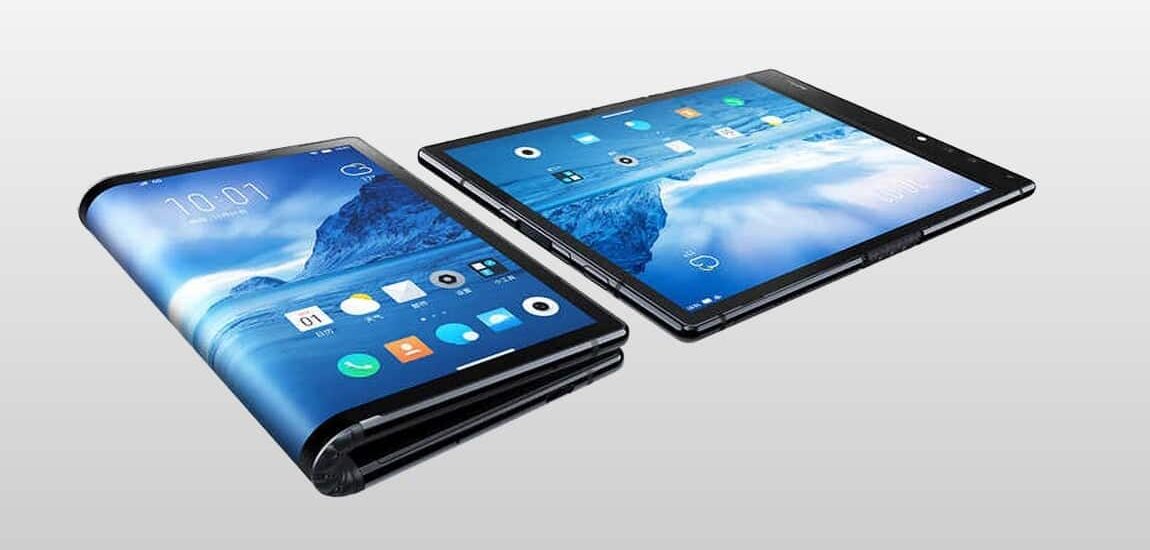
In 2019, when the first generation of foldable smartphones made their debut, many dismissed them as a fleeting novelty—an ambitious experiment best suited for tech enthusiasts with deep pockets. Fast forward to 2025, and the foldable phone market has matured into a USD 13.5 billion industry, no longer a fringe category but a rapidly expanding frontier in the global mobile landscape.
With an eye-popping compound annual growth rate (CAGR) of 26.2%, the foldable segment is projected to skyrocket to a USD 112.4 billion valuation by 2035, according to industry forecasts. What began as a curious detour from the glass-slab orthodoxy is now one of the most disruptive forces in consumer electronics.
Unlock exclusive insights – Request your sample report! https://www.futuremarketinsights.com/reports/sample/rep-gb-11962
The Foldable Revival: A Market Reborn
The idea of a foldable device isn’t new. It echoes the clamshell phones of the early 2000s, reimagined with flexible OLED displays and advanced hinge engineering. The initial releases—like Samsung’s Galaxy Fold and Huawei’s Mate X—faced criticism for fragility, high price points, and software limitations. But the second and third generations fixed many of these early issues, introducing more durable materials, water resistance, and refined user interfaces.
By 2023, sales began to see meaningful upticks. Brands such as Samsung, Motorola, Oppo, Honor, and Xiaomi continued iterating, offering both clamshell-style flip phones and book-style foldables with immersive tablet-like displays. As foldables moved from concept to consumer-ready, their appeal broadened.
Why Foldables Now?
Several factors explain the accelerating adoption of foldable phones:
- Display Technology Advancements: The maturation of ultra-thin glass (UTG) and flexible OLED displays have been critical. These innovations allow foldables to be both sleek and durable, capable of surviving hundreds of thousands of folds.
- Software Optimization: Google’s push with Android 12L and 13 to support large-screen and adaptive UI experiences helped create a more seamless foldable experience across apps.
- Lifestyle Versatility: Foldables promise to unify two worlds—the compactness of a phone and the productivity of a tablet. For mobile professionals, content creators, and tech-forward consumers, this duality offers significant utility.
- Brand Differentiation: In a saturated smartphone market, foldables give brands a way to stand out. With incremental innovation plateauing in traditional phones, foldables offer a tangible “wow” factor that resonates with both consumers and investors.
Regional Dynamics and Market Adoption
As of 2025, Asia-Pacific leads in foldable phone adoption, particularly South Korea, China, and Japan, driven by tech-savvy consumers and aggressive regional marketing. North America and Europe are steadily catching up, especially as carriers begin bundling foldables with 5G plans and trade-in incentives.
In emerging markets, however, foldables remain aspirational. The high cost remains a barrier, though that too is beginning to shift.
Challenges Ahead
Despite the momentum, the road ahead isn’t without hurdles:
- Durability Perception: While hardware has improved, many consumers remain skeptical about long-term durability—especially regarding hinges and crease lines.
- App Ecosystem Gaps: While Google and Samsung have led the way, many third-party apps still don’t fully support the foldable form factor, leaving some UX inconsistencies.
- Battery Life: With larger, high-refresh-rate displays and thin frames, battery life optimization remains a work in progress.
- Repairability and Costs: Foldables are harder—and more expensive—to repair. This could affect long-term satisfaction and resale value.
Key Market Players
- Samsung
- Huawei
- Motorola (Lenovo)
- Oppo
- Xiaomi
- Vivo
- OnePlus
Segmentation
By Product Type:
By product type, the industry is segmented into flip phones, fold-out phones, dual-screen phones, and others.
By Display Technology:
By display technology, the industry includes OLED, AMOLED, flexible LCD, and others.
By Sales Channel:
By sales channel, the industry consists of supermarkets/hypermarkets, specialty electronics stores, online, carrier stores, and others.
By End-User:
By end-user, the industry covers consumers, businesses, and tech enthusiasts.
By Region:
By region, the industry spans North America, Latin America, Europe, South Asia, East Asia, Oceania, and the Middle East & Africa (MEA).
Purchase the in-depth market report now! https://www.futuremarketinsights.com/checkout/11962
About Future Market Insights (FMI)
Future Market Insights, Inc. (ESOMAR certified, recipient of the Stevie Award, and a member of the Greater New York Chamber of Commerce) offers profound insights into the driving factors that are boosting demand in the market. FMI stands as the leading global provider of market intelligence, advisory services, consulting, and events for the Packaging, Food and Beverage, Consumer Technology, Healthcare, Industrial, and Chemicals markets. With a vast team of over 400 analysts worldwide, FMI provides global, regional, and local expertise on diverse domains and industry trends across more than 110 countries.
Contact Us:
Future Market Insights Inc.
Christiana Corporate, 200 Continental Drive,
Suite 401, Newark, Delaware – 19713, USA
T: +1-347-918-3531
For Sales Enquiries: sales@futuremarketinsights.com
Website: https://www.futuremarketinsights.com
LinkedIn| Twitter| Blogs | YouTube