Open your mind and read on automotive light bars market trends and the strength and potential market for automotive light bars projected through 2025, 2030 and 2035. The market is estimated to grow from USD 39.4 billion in 2025 to USD 75.2 billion by 2035, at a CAGR of 6% during the forecast period.
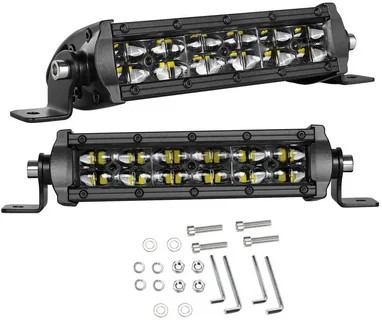
The automotive light bars market is gaining traction as vehicle manufacturers and aftermarket suppliers prioritize enhanced visibility, safety, and aesthetic customization. Automotive light bars, commonly installed on trucks, SUVs, emergency vehicles, and off-road equipment, serve multiple functions—from augmenting night-time illumination to signaling and hazard indication. As consumers and fleet operators demand smarter, more durable lighting solutions, light bars are evolving beyond basic functionality to become intelligent, energy-efficient tools for road safety and design enhancement.
Elevating Road Safety and Operational Visibility
At their core, automotive light bars are engineered to improve driver visibility in low-light or challenging weather conditions. Positioned on the front, roof, or rear of vehicles, they emit high-intensity beams that extend lighting range beyond traditional headlights. This is particularly valuable in off-road driving, rural environments, and emergency response scenarios, where reliable illumination can significantly reduce accident risks and improve operational outcomes. Light bars also serve as vital communication tools—flashing lights can alert other road users to the presence of construction zones, slow-moving vehicles, or roadside emergencies.
Get Ahead with Our Report: Request Your Sample Now!
https://www.futuremarketinsights.com/reports/sample/rep-gb-7668
Versatility Across Vehicle Types and Applications
The utility of automotive light bars spans a wide range of vehicles and use cases. Off-road enthusiasts rely on rugged, waterproof light bars for adventure-ready lighting. Commercial fleets deploy them on utility trucks and maintenance vehicles to enhance worker safety. Emergency responders—such as fire, police, and ambulance services—utilize light bars with color-coded flashing patterns to signal urgency and improve traffic navigation. The growing customization trend among vehicle owners also drives demand for stylish and functional lighting enhancements, making light bars a popular aftermarket accessory.
Advancements in LED and Energy-Efficient Technologies
The shift from traditional halogen bulbs to LED-based light bars marks a significant technological advancement in the market. LED light bars offer superior brightness, longer lifespan, and reduced energy consumption, making them ideal for both performance and sustainability. Modern LED units also feature adjustable beam patterns, color temperature control, and synchronization with vehicle electronics, offering users greater control over lighting performance. These improvements cater to a broad user base—from adventure drivers to fleet managers—seeking reliable, low-maintenance lighting systems.
Integration with Smart Vehicle Systems
Automotive light bars are increasingly being integrated into broader vehicle intelligence ecosystems. With advancements in CAN bus systems and vehicle communication protocols, light bars can now synchronize with other lighting elements, respond to vehicle speed or ambient conditions, and adapt automatically to driving scenarios. This level of integration enhances driver convenience while maintaining compliance with road safety regulations. Some advanced models also support remote control via mobile apps, enabling real-time adjustments and diagnostics.
Design Innovations and Aesthetic Appeal
Beyond functionality, automotive light bars are contributing to the evolving aesthetics of modern vehicles. Sleek, aerodynamic designs and customizable lighting colors allow users to personalize their vehicles while maintaining a factory-finish appearance. OEMs and aftermarket brands alike are offering flush-mounted and low-profile options that blend seamlessly with vehicle exteriors. This design flexibility appeals to a growing demographic of automotive enthusiasts looking to merge performance lighting with visual appeal.
Compliance and Standardization in Safety-Critical Applications
As light bars are widely used in public safety and transport operations, regulatory compliance is a key consideration. Manufacturers are aligning their products with regional standards for brightness, beam direction, and color usage to ensure road legality and minimize distractions for other drivers. Innovations such as dimmable lighting, directional warning systems, and programmable flash sequences enable users to stay compliant while tailoring the lights to specific operational needs.
Expansion into Electrified and Autonomous Vehicle Platforms
The growth of electric vehicles (EVs) and autonomous platforms is creating new opportunities for light bar integration. In EVs, where power efficiency is crucial, LED light bars provide high-lumen output without compromising battery performance. For autonomous vehicles, light bars can serve as visual indicators to communicate intent to pedestrians or other drivers—playing a key role in enhancing safety and trust in human-machine interactions. These forward-looking applications are driving research and development in intelligent and adaptive lighting technologies.
Durability and Performance in Extreme Environments
Light bar manufacturers are emphasizing product durability for use in harsh environments. Weather-resistant materials, impact-proof housings, and thermal management features are essential for applications in agriculture, mining, construction, and off-road terrain. With increasing demand for all-terrain vehicles and utility-grade trucks, rugged light bar designs are being optimized for shock absorption, corrosion resistance, and consistent performance under extreme temperatures and moisture exposure.
Tailored Solutions for OEMs and Aftermarket Channels
The automotive light bars market serves both OEM integration and aftermarket customization channels. Manufacturers offer modular lighting systems that can be configured based on vehicle size, purpose, and design specifications. Custom mounting brackets, plug-and-play connectors, and vehicle-specific kits simplify installation and reduce downtime. For OEMs, these solutions support differentiation in vehicle models and value-added features, while the aftermarket benefits from a wide array of upgrade options for personal and professional use.
Drive Your Business Growth Strategy: Checkout the Report for Key Insights!
https://www.futuremarketinsights.com/checkout/7668
Future Outlook
The automotive light bars market is set to evolve in alignment with broader trends in connected mobility, vehicle electrification, and user personalization. Innovations such as adaptive lighting systems, AI-powered beam control, and advanced materials will shape the next generation of light bars. As vehicles become more intelligent, modular, and design-driven, light bars will remain an integral component—offering safety, efficiency, and expression on the road.
About Future Market Insights (FMI)
Future Market Insights, Inc. (ESOMAR certified, recipient of the Stevie Award, and a member of the Greater New York Chamber of Commerce) offers profound insights into the driving factors that are boosting demand in the market. FMI stands as the leading global provider of market intelligence, advisory services, consulting, and events for the Packaging, Food and Beverage, Consumer Technology, Healthcare, Industrial, and Chemicals markets. With a vast team of 400 analysts worldwide, FMI provides global, regional, and local expertise on diverse domains and industry trends across more than 110 countries.
Contact Us:
Future Market Insights Inc.
Christiana Corporate, 200 Continental Drive,
Suite 401, Newark, Delaware – 19713, USA
T: +1-845-579-5705
For Sales Enquiries: sales@futuremarketinsights.com
Website: https://www.futuremarketinsights.com
LinkedIn| Twitter| Blogs | YouTube