America has a hygiene problem. Not the hand-sanitizer kind—but the kind hiding in janitor’s closets, hospital corridors, and school maintenance rooms. Janitorial sinks, the unsung sentinels of sanitation, are long overdue for a reckoning. While the rest of the world is investing in cleaner, smarter, and more compliant infrastructure, the U.S. is lagging—badly.
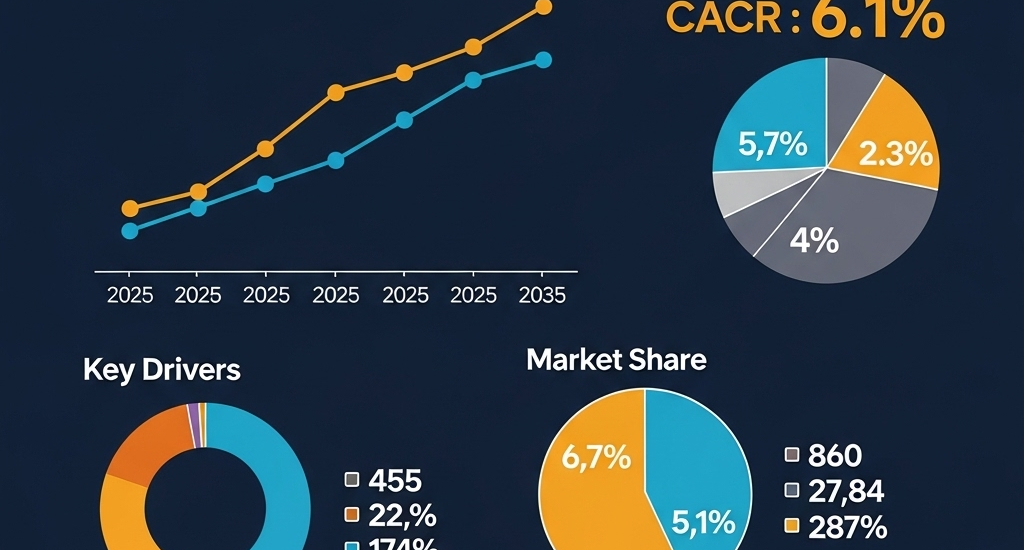
According to Future Market Insights, the global janitorial sinks market is set to nearly double, jumping from USD 915.72 million in 2025 to USD 1,655.46 million by 2035. That’s a 6.1% CAGR. This growth isn’t just about shiny steel and smart plumbing it’s a wake-up call.
Unlock growth potential with industry expertise. Request your market sample report now: https://www.futuremarketinsights.com/reports/sample/rep-gb-17246
We Don’t Just Need Sinks—We Need Infrastructure Accountability
Let’s be blunt: most janitorial sinks in American institutions are relics. Rusting basins. Inadequate drainage. No backflow protection. You’ll find them in food service backrooms, schools, and even hospitals. In environments where hygiene is paramount, that’s inexcusable.
Stainless steel leads the market—rightly so. It resists bacteria, it lasts, and it’s cleanable. Future Market Insights reports that over 62% of the market share belongs to stainless steel sinks. The material’s dominance isn’t a trend. It’s common sense.
And yet, facility managers across the U.S. routinely delay upgrades. Why? Because cost still trumps compliance. That’s shortsighted. The longer we delay modernizing our sanitation infrastructure, the more we gamble with public health.
The Rest of the World Is Not Waiting
Let’s zoom out. Asia-Pacific is going all in. Urbanization is exploding, and their investments in hygiene reflect that urgency. North America—despite having the resources—moves at a snail’s pace.
Future Market Insights identifies North America as a key contributor to market revenue. But the truth is, that contribution is driven more by demand than action. We need to catch up—not congratulate ourselves.
The report highlights that freestanding mop sinks remain the go-to, thanks to versatility and ease of cleaning. That’s fine. But hardware alone doesn’t solve the problem. Smart installations. Thoughtful placement. Long-term maintenance. That’s where we fail.
Browse Full Report Here: https://www.futuremarketinsights.com/reports/janitorial-sinks-market
Budget Cuts Aren’t an Excuse
Let’s cut through the noise: high-quality janitorial sinks cost more. Of course they do. But compared to the long-term risks of mold outbreaks, bacterial contamination, or non-compliance fines? It’s not even close.
The U.S. is stuck in an outdated cost-saving mindset. As FMI notes, floor-mounted sinks continue to dominate due to ergonomic design and better drainage. Yet these advantages mean nothing when facilities refuse to invest in proper upkeep.
Too many institutions opt for the cheapest option. And it shows. Cracked basins. Non-functional sprayers. Sinks placed without regard for runoff. It’s penny-wise and pound-foolish.
Time to Get Serious
We need policy. We need accountability. And we need to treat sanitation like the frontline defense that it is.
Here’s what should happen next—based on Future Market Insights’ findings:
- Make audits mandatory. Force public facilities to document the age and condition of all hygiene-critical infrastructure.
- Offer rebates for sustainable upgrades. Especially in public schools and hospitals where budgets are tight, but the stakes are high.
- Demand transparency from manufacturers. Sanitization specs should be clear, certified, and publicly available—not buried in technical jargon.
Latest Operational Equipment Reports: https://www.futuremarketinsights.com/industry-analysis/operational-equipment
A Sink Is Never Just a Sink
This is about more than plumbing. It’s about how seriously we take health and safety. A janitorial sink might not be flashy, but it’s a critical piece of the public health puzzle. And in 2025, with the technology and knowledge we have? There is zero excuse for neglect.
We can keep cutting corners. Or we can raise the bar.
Because when the next crisis hits—whether it’s a virus, a flood, or a foodborne outbreak—those outdated janitorial sinks might become the weakest link in our hygiene chain.