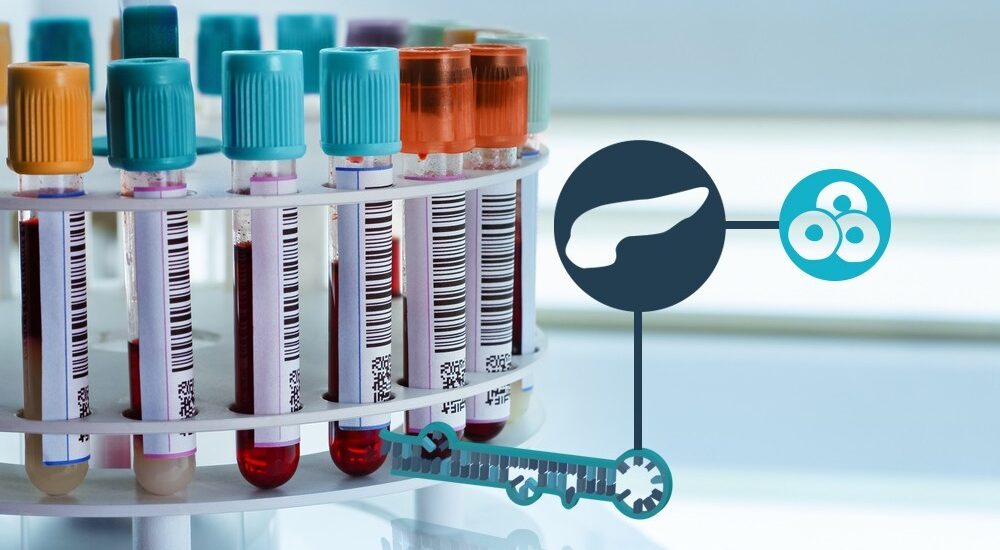
The cardiac biomarker diagnostic test kits market has witnessed steady growth in recent years, driven by rising incidences of cardiovascular diseases, technological advancements in diagnostic procedures, and a growing emphasis on early disease detection. These test kits are used to measure specific proteins or enzymes that are released into the blood when the heart is under stress or has suffered damage. Healthcare providers rely on these tests to assess the risk or presence of cardiac conditions, including heart attacks and heart failure.
Heart diseases found widest range as a cause of death worldwide, which raised the demand for early diagnosis with a high degree of accuracy thereby raised the demand for effective, fast with low cost biomarker testing kits. The market will reach USD 2.1 Billion in 2025 and USD 3.3 Billion in 2035, posing a CAGR of 4.7% over the forecast period.
With the increasing burden of heart-related ailments worldwide, particularly in aging populations, the demand for rapid and accurate diagnostic solutions is surging. The cardiac biomarker diagnostic test kits market is being shaped by this urgent need for timely diagnosis and efficient patient care. Additionally, the shift toward point-of-care testing and home-based monitoring is contributing to the market’s expansion. These kits offer convenience, quicker results, and are less reliant on centralized laboratory settings, making them valuable tools in both hospital and outpatient settings.
Get Sample Report: – https://www.futuremarketinsights.com/reports/sample/rep-gb-452
Market Trends
Several trends are influencing the current and future landscape of the cardiac biomarker diagnostic test kits market. One of the most significant trends is the integration of artificial intelligence and machine learning in diagnostic testing. By incorporating AI-powered algorithms, these test kits can provide more precise interpretations of biomarker levels, reducing the margin of error and assisting healthcare professionals in making faster, evidence-based decisions.
The miniaturization of diagnostic devices and the development of portable, user-friendly kits have also transformed how cardiac biomarkers are assessed. These innovations are making it easier for general practitioners and even patients themselves to conduct tests with minimal training. Another notable trend is the rise in multiplex biomarker testing, which allows for the simultaneous detection of multiple biomarkers in a single test. This is especially useful for patients with complex cardiovascular profiles where multiple indicators need to be evaluated at once.
Moreover, the increasing adoption of personalized medicine is pushing diagnostic manufacturers to design test kits that can cater to individual health profiles. As researchers identify new cardiac biomarkers, the market is expected to grow with novel diagnostic panels that can offer a more holistic view of heart health.
Challenges and Opportunities
Despite its promising growth, the cardiac biomarker diagnostic test kits market faces a number of challenges. Regulatory hurdles and the stringent approval process for new diagnostic products can delay market entry and raise development costs. Additionally, variability in test results due to pre-analytical and analytical errors can affect the reliability of biomarker tests, particularly in decentralized settings.
Cost remains a major concern, especially in low-income and rural regions where healthcare infrastructure is limited. Many advanced test kits are priced beyond the reach of public health systems, restricting their accessibility to a broader population. Furthermore, a lack of awareness and insufficient training among healthcare personnel can impede the effective use of these diagnostic tools.
However, these challenges present opportunities for innovation. Manufacturers can invest in affordable, easy-to-use test kits tailored for low-resource settings. Educational initiatives and partnerships with local healthcare providers can also improve awareness and utilization. The growing demand for early diagnosis and preventive healthcare presents a massive opportunity for expanding the cardiac biomarker diagnostic test kits market, particularly through home-based testing and mobile health technologies.
Key Regional Insights
The cardiac biomarker diagnostic test kits market exhibits regional variations based on healthcare infrastructure, prevalence of cardiovascular diseases, and regulatory frameworks. North America leads in market share, owing to its well-established healthcare systems, higher patient awareness, and extensive research and development activities. The region also benefits from the strong presence of leading market players and early adoption of advanced diagnostic technologies.
Europe follows closely, with countries such as Germany, France, and the United Kingdom actively investing in healthcare innovation. Supportive government initiatives and increasing prevalence of heart diseases are contributing to market growth in this region. Meanwhile, Asia-Pacific is emerging as a lucrative market, fueled by large populations, rising disposable incomes, and improving healthcare infrastructure in countries like China, India, and Japan.
Latin America and the Middle East & Africa also present untapped potential for the cardiac biomarker diagnostic test kits market. These regions are witnessing a growing focus on non-communicable disease management, including cardiovascular conditions. Investments in healthcare modernization and international collaborations are gradually improving diagnostic capabilities in these markets.
Competitive Outlook
The cardiac biomarker diagnostic test kits market is highly competitive, with a mix of established global firms and emerging regional players. Companies are increasingly focusing on research and development to introduce innovative and more accurate diagnostic solutions. Strategic collaborations, acquisitions, and partnerships are common as firms aim to strengthen their market position and expand their product portfolios.
In addition to developing new biomarkers and test panels, companies are investing in digital technologies to improve test efficiency and usability. Cloud-based platforms and mobile applications that integrate with diagnostic kits are being developed to offer remote monitoring and real-time result sharing. These digital enhancements are helping companies differentiate themselves in an otherwise crowded marketplace.
Market players are also competing on pricing and scalability, particularly in developing regions. Affordability and ease of use are critical factors in penetrating new markets. As a result, many companies are localizing production and distribution strategies to cater to specific regional needs.
Top Companies
Several key players dominate the cardiac biomarker diagnostic test kits market, each contributing through innovation and market outreach. These companies are known for their diverse product offerings, global distribution networks, and consistent investments in diagnostic technologies. While the market includes a mix of multinational corporations and niche diagnostic firms, a few companies stand out for their substantial impact and brand recognition.
Firms focusing on expanding their test menus, incorporating digital health solutions, and obtaining regulatory approvals for new biomarkers are expected to maintain a competitive edge. These companies are also investing in education and training programs for healthcare professionals to encourage wider adoption of their kits.
Explore In-Depth Analysis-Click Here to Access the Report:- https://www.futuremarketinsights.com/reports/cardiac-bio-marker-diagnostic-test-market
Segmentation Outlook
The cardiac biomarker diagnostic test kits market can be segmented based on biomarker type, test type, application, end user, and region. Biomarker types include troponin, creatine kinase-MB (CK-MB), myoglobin, B-type natriuretic peptide (BNP), and others. Among these, troponin continues to dominate due to its high specificity and sensitivity for detecting myocardial infarction.
In terms of test type, laboratory-based testing and point-of-care testing are the primary categories. Point-of-care testing is gaining popularity for its rapid turnaround times and convenience, particularly in emergency settings and outpatient care. Application-wise, the market spans myocardial infarction, congestive heart failure, acute coronary syndrome, and others.
Hospitals, diagnostic laboratories, and ambulatory care centers are the key end users of these test kits. Each segment has its own set of requirements, prompting manufacturers to design customized solutions that cater to specific clinical environments. Geographically, segmentation helps in understanding market dynamics and customer preferences in different parts of the world, aiding in targeted marketing and product development strategies.
About Future Market Insights (FMI)
Future Market Insights, Inc. (ESOMAR certified, recipient of the Stevie Award, and a member of the Greater New York Chamber of Commerce) offers profound insights into the driving factors that are boosting demand in the market. FMI stands as the leading global provider of market intelligence, advisory services, consulting, and events for the Packaging, Food and Beverage, Consumer Technology, Healthcare, Industrial, and Chemicals markets. With a vast team of over 400 analysts worldwide, FMI provides global, regional, and local expertise on diverse domains and industry trends across more than 110 countries.
Contact Us:
Future Market Insights Inc.
Christiana Corporate, 200 Continental Drive,
Suite 401, Newark, Delaware – 19713, USA
T: +1-347-918-3531
For Sales Enquiries: sales@futuremarketinsights.com
Website: https://www.futuremarketinsights.com
LinkedIn| Twitter| Blogs | YouTube