

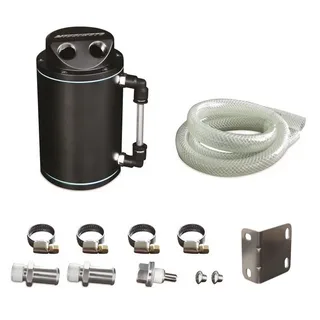
The oil catch can industry is expected to experience significant growth, with a projected CAGR of 8% over the forecast period. Valued at approximately USD 9.98 billion in 2023, the market is set to reach USD 21.6 billion by 2033. This growth is fueled by the rising demand for oil catch cans, which enhance engine performance and longevity by preventing oil and contaminants from re-entering the intake system.
As engine efficiency, durability, and emissions control become increasingly prioritized, the oil catch cans market is expanding. These systems capture and filter blow-by gases, preventing harmful contaminants from circulating back into the engine, which improves engine performance and reduces harmful deposits. The demand for oil catch cans is rising, particularly in high-performance and heavy-duty sectors such as automotive, industrial, and marine.
To meet the growing need for advanced engine management solutions, manufacturers are developing oil catch cans with improved filtration, heat resistance, and lightweight materials. These innovations ensure that oil catch cans perform efficiently in demanding conditions, thereby supporting engine durability and reducing maintenance needs.
Key Takeaways:
- Focus on Engine Efficiency and Emissions Control: Oil catch cans help reduce engine deposits by capturing blow-by gases, ensuring cleaner combustion, and contributing to emissions reduction.
- Rising Adoption in High-Performance and Heavy-Duty Vehicles: High-performance and commercial vehicles benefit from oil catch cans, which reduce engine wear and improve efficiency, driving demand in these markets.
- Advances in Filtration and Heat-Resistant Materials: New filtration technologies and materials improve the durability and effectiveness of oil catch cans, making them suitable for demanding engine environments.
- Growing Aftermarket Demand: The aftermarket for oil catch cans is expanding as consumers look for cost-effective ways to maintain engine performance and prevent excessive wear.
- Expansion in Hybrid and Turbocharged Engines: As the use of hybrid and turbocharged engines increases, oil catch cans are becoming essential for managing oil and vapor separation in more efficient powertrains.
Request Your Sample and Stay Ahead with Our Insightful Report!
Key Manufacturers and Suppliers of Oil Catch Cans:
Some leading players in the market include:
- Mishimoto
- Radium Engineering LLC
- Diesel Care Australia Pty Ltd
- Dongguan Humei Jiajiaxin Metal Plastic Factory
- Yuhuan County Trade Kam Machinery Factory
- Honha Autoparts Group Co. Limited
- Ruian Niki Trade Co. Ltd.
- Epman Racing
- RASTuningParts Inc.
Key Segments of the Oil Catch Can Market:
By Capacity:
- Below 1 liter
- 1 liter
- 2 liters
- 3 liters
- Above 3 liters
By Inlet Size:
- 8 AN
- 10 AN
- 12 AN
By Port:
- 2-port
- 3-port
By Vehicle Type:
- Passenger
- Commercial
By Region:
- North America (USA, Canada)
- Latin America (Mexico, Brazil)
- Europe (Germany, Italy, France, United Kingdom, Spain, Russia)
- South Asia and Pacific (India, ASEAN, Australia & New Zealand)
- East Asia (China, Japan, South Korea)
- Middle East and Africa (GCC Countries, South Africa, Northern Africa)




