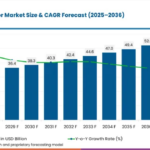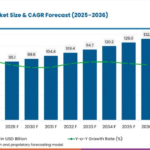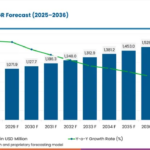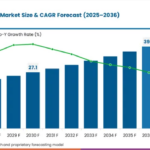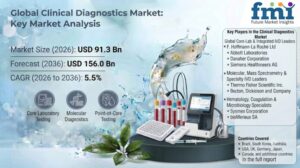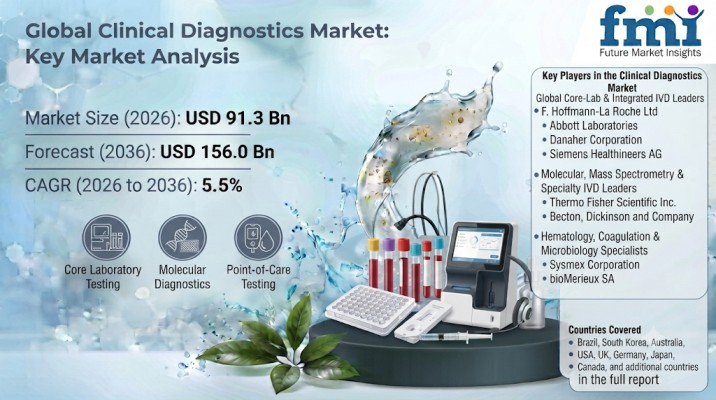
The global clinical diagnostics market is projected to reach USD 91.3 billion in 2026 and expand to USD 156.0 billion by 2036, registering a compound annual growth rate (CAGR) of 5.5% during the forecast period, according to Future Market Insights (FMI). Increasing demand for early disease detection, rising prevalence of infectious and chronic diseases, and advancements in molecular diagnostic technologies are supporting market expansion.
Clinical diagnostics involves the analysis of blood, urine, tissue, and other biological samples to identify diseases, monitor health conditions, and guide treatment decisions. Diagnostic laboratories, hospitals, and specialty healthcare facilities are increasingly adopting automated testing platforms, molecular diagnostics, and advanced reagent systems to improve testing accuracy and turnaround times.
Request a report sample: https://www.futuremarketinsights.com/reports/sample/rep-gb-15207
The short version
- Market size: USD 91.3 billion in 2026.
- Forecast value: USD 156.0 billion by 2036.
- Growth rate:5% CAGR from 2026 to 2036.
- Leading product segment: Reagents and kits, accounting for 63.3% of the market.
- Leading diagnostic test category: Infectious disease testing, representing 38.6%.
- Fastest-growing country: China, with a projected 5.6% CAGR in the report’s country forecast table.
- Other high-growth markets: India, with 6.0% CAGR, and South Korea, with 5.1% CAGR.
The market is expected to add approximately USD 64.7 billion in value between 2026 and 2036. This expansion reflects increasing diagnostic testing volumes, investments in laboratory infrastructure, and growing adoption of advanced testing technologies.
Why demand for clinical diagnostics is increasing
Growing prevalence of chronic diseases is a central factor supporting market demand. Cardiovascular conditions, diabetes, cancer, kidney disorders, and other long-term illnesses require regular diagnostic monitoring. Healthcare providers increasingly rely on laboratory testing to support early detection, disease management, and treatment evaluation.
The rising burden of infectious diseases is another important growth factor. Testing for tuberculosis, hepatitis, HIV, malaria, and emerging infectious pathogens continues to create demand for reliable diagnostic solutions. Reagents, molecular testing platforms, and automated laboratory systems are becoming increasingly important for identifying infections and supporting timely clinical decisions.
Technological advancements are also transforming the industry. Molecular diagnostics, next-generation sequencing (NGS), liquid biopsy, and automated immunoassay systems are expanding the range of conditions that can be detected through clinical testing. Artificial intelligence-assisted diagnostic interpretation and laboratory automation are further improving operational efficiency and supporting higher testing throughput.
The growing adoption of personalized medicine is creating additional opportunities. Biomarker testing and genetic analysis help healthcare professionals identify disease characteristics and support treatment decisions, particularly in oncology and other specialized therapeutic areas.
Product and diagnostic segments shaping the market
Reagents and kits are projected to account for 63.3% of the product type segment in 2026. These products are essential components of clinical diagnostic procedures, supporting the identification and measurement of biomarkers, pathogens, genetic material, and other biological indicators.
Their recurring consumption across clinical chemistry, immunoassay, and molecular diagnostic platforms supports their leading market position. Biochemical reagents, immunoassay kits, molecular reagents, and specialized enzymes contribute to this category.
By diagnostic test, infectious disease testing is expected to account for 38.6% of the market in 2026. Increasing testing requirements for bacterial and viral infections, emerging pathogens, and antimicrobial-resistant microorganisms support demand for reliable diagnostic solutions.
Other important testing categories include lipid panels, liver function tests, kidney function tests, complete blood counts, thyroid function tests, glucose monitoring, and cancer diagnostics.
By technology, clinical diagnostics includes immunoassay, clinical chemistry, molecular diagnostics, hematology, and urinalysis. Molecular diagnostics is gaining importance through advances in genetic testing, pathogen identification, and liquid biopsy applications.
Hospitals, diagnostic laboratories, specialty clinics, point-of-care settings, and research institutions represent important end-user categories. Growing laboratory automation and increasing demand for faster test results are supporting adoption across these settings.
Where growth is strongest
FMI projects India and China to remain important growth markets for clinical diagnostics during 2026–2036.
Country-wise Projected CAGR
- India: 6.0%
- China: 5.6%
- South Korea: 5.1%
- France: 4.2%
- Germany: 3.9%
- United Kingdom: 3.7%
- United States: 3.4%
India’s growth outlook reflects expanding hospital infrastructure, rising diagnostic awareness, and increasing deployment of point-of-care testing solutions. Greater access to diagnostic laboratories and investments in healthcare services are creating opportunities for manufacturers.
China is expected to benefit from hospital laboratory modernization, domestic in-vitro diagnostics manufacturing, and increasing adoption of advanced testing platforms.
South Korea’s market is supported by investments in healthcare technology and diagnostic innovation. France and Germany benefit from established healthcare infrastructure and investments in laboratory testing capabilities.
The United States remains an important market because of its established reference laboratory networks, advanced molecular diagnostics infrastructure, and continued investment in diagnostic research and development.
Who is moving in the competitive landscape
The clinical diagnostics market includes global in-vitro diagnostics manufacturers, laboratory technology providers, and specialized diagnostic service companies. Competitive positioning depends on product accuracy, reagent availability, installed instrument base, regulatory compliance, technological innovation, and laboratory relationships.
Key companies profiled by FMI include:
- Roche Diagnostics
- Abbott Laboratories
- Siemens Healthineers
- Danaher Corporation (Beckman Coulter)
- Thermo Fisher Scientific
- bioMérieux
- Sysmex Corporation
- Ortho Clinical Diagnostics
- Quest Diagnostics
- Labcorp
These companies compete across diagnostic instruments, reagents, consumables, molecular testing platforms, and laboratory services. Reagent rental arrangements, automated analyser installations, and expanded diagnostic test menus remain important competitive strategies.
Industry developments and technology outlook
Recent developments highlight the increasing importance of molecular diagnostics and laboratory automation.
In January 2026, Thermo Fisher Scientific received FDA approval for its Ion Torrent Oncomine Dx Target Test, expanding liquid biopsy applications for pan-cancer profiling. Roche also announced next-generation sequencing technology capable of decoding an entire human genome in under four hours.
In November 2025, Siemens Healthineers expanded its Atellica analyser platform with additional immunoassay menu capabilities for autoimmune and infectious disease testing. Abbott also advanced its hematology portfolio through its next-generation Alinity hq analyser featuring AI-powered cell classification.
These developments demonstrate how diagnostic manufacturers are investing in faster testing, expanded clinical applications, and automated laboratory workflows.
Access the Full Report: https://www.futuremarketinsights.com/reports/clinical-diagnostics-market
Where to act and where to be careful
Opportunities are emerging in molecular diagnostics, liquid biopsy, point-of-care testing, and AI-assisted laboratory interpretation. Manufacturers investing in advanced reagent development, automated analysers, and integrated diagnostic platforms may be better positioned to address evolving laboratory requirements.
Emerging markets also offer opportunities through hospital infrastructure development and wider access to diagnostic services. Companies that establish partnerships with healthcare providers and diagnostic laboratory networks can strengthen their regional presence.
However, the market faces constraints related to high equipment costs, regulatory complexity, and dependence on specialized raw materials. Advanced molecular diagnostic instruments require significant capital investment, technical expertise, and ongoing maintenance. Regulatory requirements, including European IVDR compliance and changing US laboratory testing regulations, can also influence product launches and commercialization strategies.
Manufacturers must balance technological innovation with affordability, regulatory compliance, reagent supply reliability, and consistent testing performance.
Market outlook and research coverage
FMI expects the clinical diagnostics market to expand steadily through 2036 as healthcare providers prioritize early disease detection, routine testing, and advanced diagnostic technologies. Reagents and kits are projected to retain their leading product position, while infectious disease testing continues to represent a major source of demand. Molecular diagnostics, liquid biopsy, and laboratory automation provide additional growth opportunities.
The FMI report examines the market by product type, including instruments, reagents and kits, and software and services; diagnostic test categories; technology; end users; and geographic region. Its geographic coverage includes North America, Latin America, Western Europe, Eastern Europe, East Asia, South Asia and Pacific, and the Middle East and Africa.
About Future Market Insights (FMI)
Future Market Insights (FMI) is a global market intelligence and consulting firm providing comprehensive market research, competitive intelligence, and strategic business insights across industries. The firm delivers detailed forecasts, technology analysis, and data-driven recommendations that support informed decision-making for manufacturers, investors, distributors, and policymakers worldwide.
For Press & Corporate Inquiries
Rahul Singh
AVP – Marketing and Growth Strategy
Future Market Insights, Inc.
+91 8600020075
For Sales – sales@futuremarketinsights.com
For Media – Rahul.singh@futuremarketinsights.com
For Web – https://www.futuremarketinsights.com