

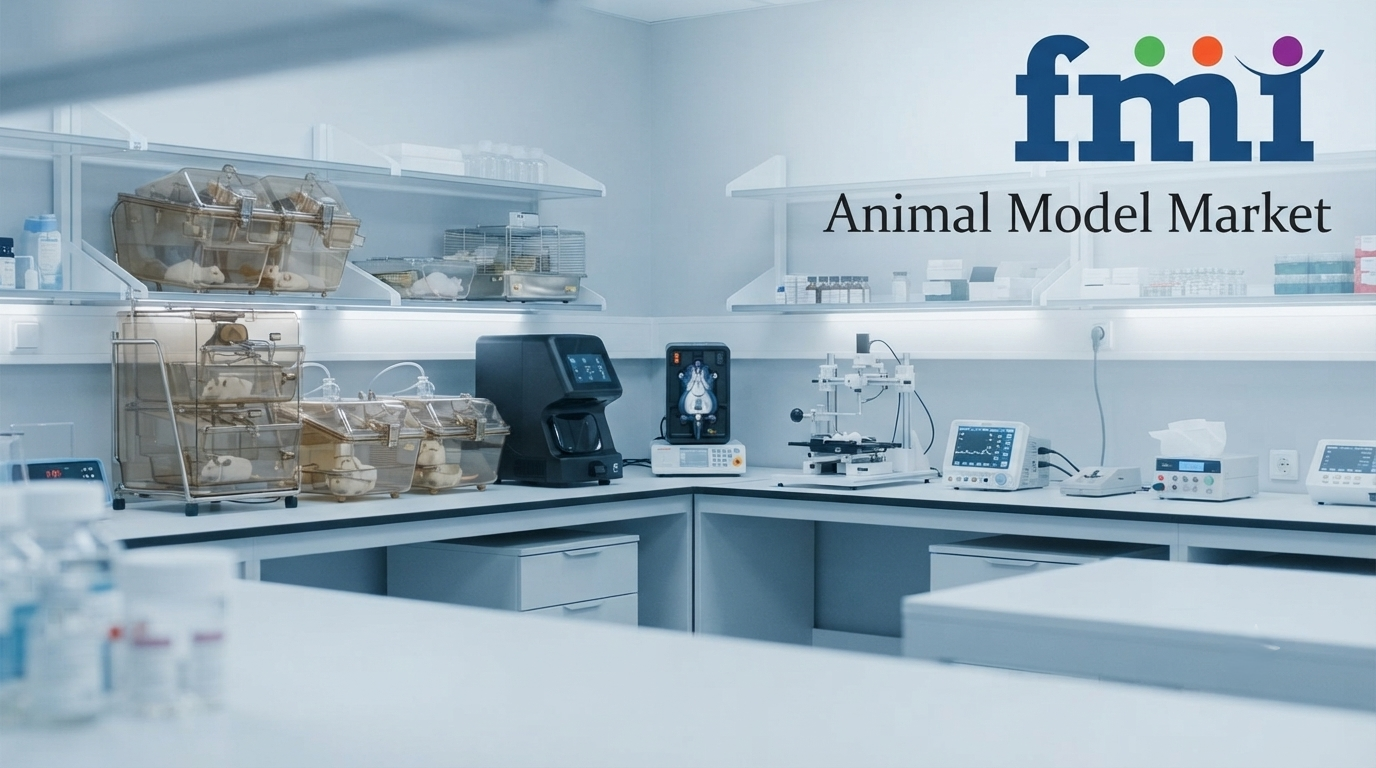
The European Animal Model Market continues to play a pivotal role in advancing biomedical research, drug discovery, vaccine development, oncology, neuroscience, and translational medicine. Animal models remain indispensable for understanding disease mechanisms, evaluating therapeutic safety, and accelerating the development of innovative medicines before clinical trials. Across Europe, long-term investments from the European Commission are supporting collaborative research projects that improve scientific capabilities while reinforcing animal welfare standards through strict regulatory compliance.
European research institutions are increasingly utilizing mouse, rat, rabbit, guinea pig, avian, and cold-blooded animal models to address the growing burden of chronic diseases, cancer, neurological disorders, infectious diseases, and age-related conditions. Funding under the European Commission’s multiannual framework programmes, averaging €10–11 million per project over four to five years, continues to strengthen research infrastructure while promoting responsible scientific practices.
Market Overview
The European Animal Model Market has evolved into a strategic component of the region’s pharmaceutical, biotechnology, academic, and medical research ecosystem. Animal models provide biological systems that closely resemble human physiology, enabling researchers to investigate disease progression, identify therapeutic targets, evaluate drug efficacy, and assess treatment safety before human clinical trials.
The European Commission has established a structured funding environment through multiannual framework programmes, allocating approximately €10–11 million per collaborative project with project durations ranging from four to five years. These initiatives support multinational research collaborations while ensuring compliance with European legislation governing scientific animal welfare.
The market is further supported by increasing investments in vaccine research, cancer biology, neurological disease studies, regenerative medicine, and precision medicine. Growing healthcare challenges across Europe continue to reinforce the need for reliable preclinical research models capable of reducing risks during clinical development.
Key Growth Drivers
- Rising prevalence of chronic diseases requiring advanced preclinical research.
- European Commission funding averaging €10–11 million per project for collaborative biomedical research.
- Expansion of vaccine development programs across Europe.
- Growing oncology research using genetically engineered mouse models.
- Increasing neurological disorder research driven by Europe’s aging population.
- Development of standardized Alzheimer’s disease animal models.
- Expansion of translational medicine and precision therapeutics.
- Strong regulatory framework ensuring ethical animal research practices.
Technology & Innovation Trends
Technological innovation is transforming the European Animal Model Market beyond traditional laboratory research. Genetically engineered mouse models have become increasingly sophisticated, allowing researchers to replicate complex human diseases with greater biological accuracy. These models are now central to oncology studies investigating genetic mutations responsible for tumor development and treatment response.
Innovation is also accelerating within vaccine development. The European Union-funded EDUFLUVAC consortium has promoted collaborative research aimed at improving reactive influenza vaccines through advanced animal testing platforms. Researchers are simultaneously working to establish integrated research infrastructures capable of accelerating vaccine development while enhancing safety evaluation prior to clinical studies.
Behavioral neuroscience has emerged as another major area of technological advancement. Rodent-based models are increasingly combined with advanced imaging technologies, neural mapping systems, and cognitive assessment tools to study memory formation, perception, decision-making, and social behavior.
Research organizations are also investing in standardized non-human primate models, particularly macaques, to improve translational research for Alzheimer’s disease, addressing limitations associated with traditional mouse-based neurological models.
Market Challenges & Restraints
Despite strong scientific demand, the European Animal Model Market faces several structural challenges. Ethical concerns surrounding animal experimentation continue to attract public attention, increasing pressure on research institutions to improve transparency and adopt responsible scientific practices.
Strict regulatory oversight under European Union legislation requires extensive compliance regarding animal welfare, research protocols, and ethical approvals. While these regulations enhance research quality, they also increase operational complexity and project timelines.
Another important challenge involves translating research findings from animal models into successful human clinical outcomes. Alzheimer’s disease research illustrates this limitation, as many therapies demonstrating promising results in mice have failed during human clinical trials, encouraging researchers to seek more representative animal models.
Growing investment in alternative testing technologies also introduces competitive pressure for traditional animal-based research.
Segment Analysis
The European Animal Model Market serves multiple biomedical research disciplines supported by diverse animal species.
Mouse models continue to dominate the market because of their widespread availability, relatively low maintenance costs, genetic similarity to humans, and extensive use in cancer, immunology, and genetic disease research. The European Mutant Mouse Archive (EMMA) remains one of Europe’s most significant repositories supporting biomedical investigators through preservation and distribution of valuable mouse strains.
Rat models maintain strong demand within neuroscience, toxicology, pharmacology, and behavioral studies due to their well-established physiological characteristics.
Rabbit, guinea pig, bird, and cold-blooded animal models continue serving specialized research applications including infectious diseases, immunology, toxicology, developmental biology, and vaccine evaluation.
Macaque models are gaining strategic importance for Alzheimer’s disease research through the European Union-sponsored IMPRiND consortium, reflecting growing demand for animal models with closer neurological similarities to humans.
Application-wise, oncology represents one of the fastest-expanding research areas, followed by vaccine development, neuroscience, immunology, infectious diseases, and translational medicine.
Regional Analysis
Germany, France, and the United Kingdom remain Europe’s leading markets for animal model research due to their strong pharmaceutical industries, advanced academic institutions, government funding, and biotechnology ecosystems.
Germany continues to lead biomedical innovation through significant investments in pharmaceutical R&D and collaborative scientific programs.
France maintains a strong position through extensive life science research networks and government-supported biomedical initiatives.
The United Kingdom continues contributing significantly through world-renowned universities, biotechnology companies, and collaborative European research despite changing regulatory dynamics.
Across Europe, rising cancer incidence, increasing neurological disorders, and expanding vaccine research continue driving consistent demand for advanced animal models.
Competitive Landscape
The European Animal Model Market remains highly collaborative, involving academic institutions, government agencies, biotechnology companies, pharmaceutical manufacturers, research organizations, and specialized animal repositories.
Competition increasingly focuses on improving model accuracy, genetic engineering capabilities, disease-specific applications, ethical research standards, and translational success rates. Organizations are also strengthening partnerships to develop standardized research protocols capable of improving reproducibility across European laboratories.
Leading Companies Analysis
Rather than being dominated by commercial suppliers alone, the market benefits from influential scientific organizations and collaborative research initiatives.
The European Mutant Mouse Archive (EMMA) plays a critical role by preserving genetically modified mouse models for biomedical research across Europe.
The European Association for Cancer Research (EACR) continues promoting innovation through specialized workshops focused on advanced mouse models and emerging oncology technologies.
The EDUFLUVAC consortium supports influenza vaccine development through collaborative research involving advanced animal testing.
The IMPRiND consortium, funded by the European Union, is developing standardized macaque models to improve Alzheimer’s disease drug development and translational neuroscience research.
The European Partnership for Alternative Approaches to Animal Testing (EPAA) is accelerating implementation of the “Three Rs”—Replacement, Reduction, and Refinement—encouraging responsible innovation while maintaining scientific quality.
Investment & Strategic Developments
European public investment remains a cornerstone of market expansion. Multiannual framework programmes continue financing collaborative biomedical projects with average funding of €10–11 million over four to five years, strengthening Europe’s research infrastructure.
Strategic investments increasingly target genetically engineered animal models, vaccine development platforms, behavioral neuroscience, neurodegenerative disease research, and standardized preclinical testing methodologies. Simultaneously, research organizations are investing in alternative non-animal technologies to complement conventional animal studies and improve regulatory acceptance.
Future Outlook
The outlook for the European Animal Model Market remains positive as biomedical innovation, personalized medicine, advanced therapeutics, and infectious disease preparedness continue driving research demand. Oncology, immunology, neuroscience, and vaccine development are expected to remain major application areas.
Future growth will likely be shaped by increasingly sophisticated genetically engineered models, improved translational research platforms, greater integration of digital technologies, and continued adoption of the Three Rs framework. Although alternative testing methods will expand, animal models are expected to remain essential for complex biological research where complete replacement remains scientifically challenging.
FMI Custom Research: Strategic Intelligence for Confident Decision-Making
In today’s rapidly evolving business environment, leadership teams need more than market data—they need clear, actionable intelligence tailored to their strategic objectives. FMI’s Custom Research solutions are designed around the specific business questions organizations need answered, enabling executives to evaluate growth opportunities, validate investments, assess competitive dynamics, and reduce uncertainty before making critical decisions. By combining deep industry expertise, primary research, and proprietary market intelligence, FMI delivers insights that help organizations move from assumptions to evidence-based strategies with greater speed and confidence.
Key Executive Benefits
- Decision-Ready Insights: Research tailored to your specific business challenges, growth plans, and investment priorities.
- Reduced Strategic Risk: Validate market opportunities, customer demand, and competitive positioning before committing resources.
- Market Entry Confidence: Assess opportunity size, regulatory barriers, channel dynamics, and competitive landscapes with precision.
- Competitive Advantage: Gain proprietary intelligence unavailable through syndicated reports or internal datasets.
- Faster Growth Decisions: Accelerate expansion, product development, portfolio optimization, and investment planning.
- Primary Market Validation: Access real-world customer, buyer, and stakeholder insights that support high-confidence decision-making.
- Global Industry Expertise: Powered by 100+ analysts, 20,000+ published reports, and 1.6 million+ hours of research experience.
- Proven Track Record: Over 7,000 market-entry engagements completed across six regions and 14 industry sectors with strong client retention.
Business Impact
FMI helps organizations transform market complexity into strategic clarity, enabling leadership teams to identify growth opportunities faster, optimize resource allocation, strengthen competitive positioning, and make high-stakes business decisions with confidence.
Related Report:
About Future Market Insights (FMI)
Future Market Insights (FMI) is a global market intelligence and consulting firm providing comprehensive market research, competitive intelligence, and strategic business insights across industries. The firm delivers detailed forecasts, technology analysis, and data-driven recommendations that support informed decision-making for manufacturers, investors, distributors, and policymakers worldwide.
For Press & Corporate Inquiries
Rahul Singh
AVP – Marketing and Growth Strategy
Future Market Insights, Inc.
+91 8600020075
For Sales – sales@futuremarketinsights.com
For Media – Rahul.singh@futuremarketinsights.com
For web – https://www.futuremarketinsights.com/