

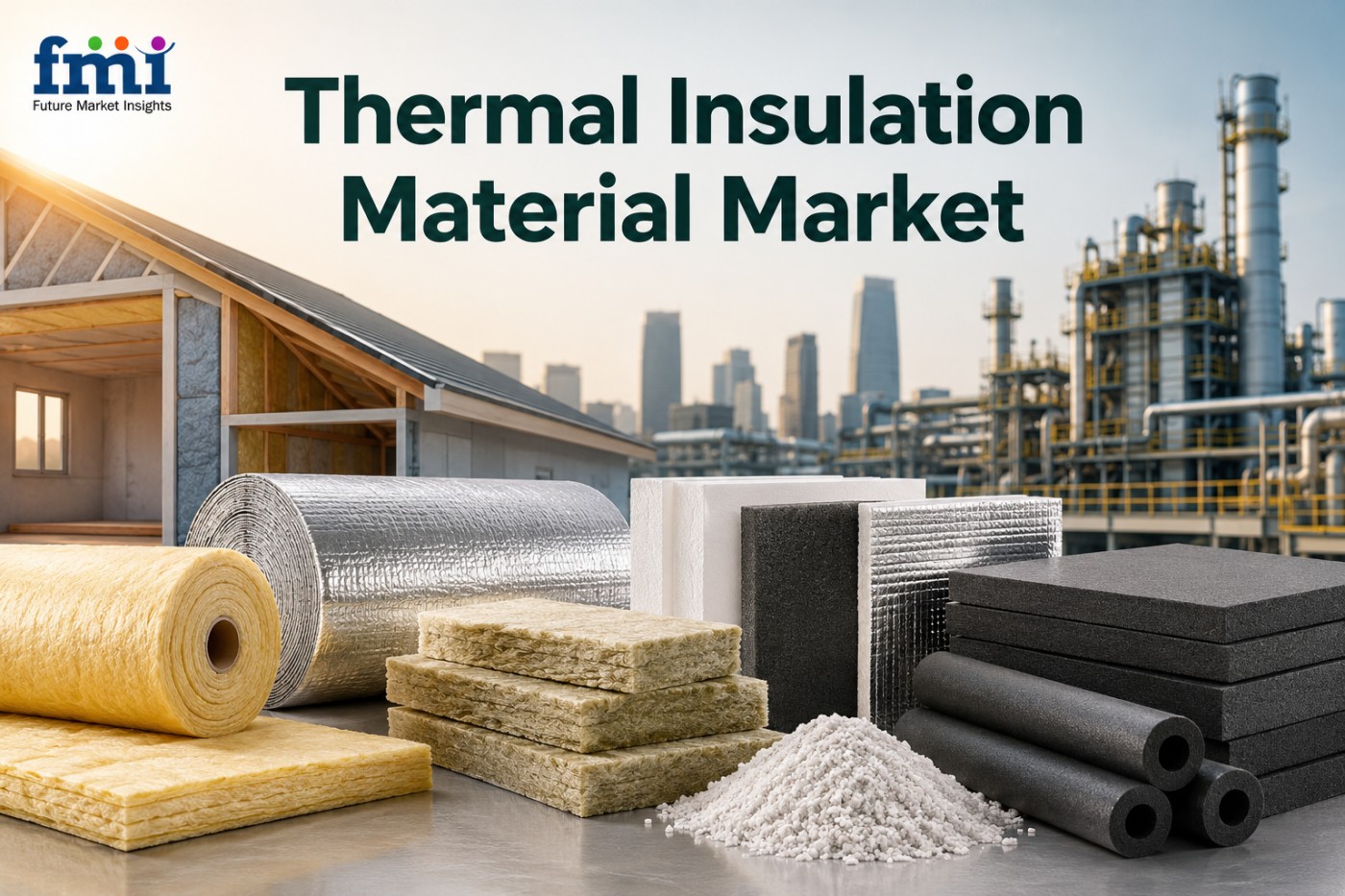
The global thermal insulation materials market continues to undergo significant transformation as manufacturers navigate rising energy costs, increasingly sophisticated production processes, and growing demand for high-performance building solutions. While insulation products are often perceived as commodity construction materials, their pricing structures are heavily influenced by complex manufacturing systems, specialized chemistry, energy-intensive processing, and stringent performance requirements.
As energy efficiency regulations strengthen and sustainable construction practices gain momentum, thermal insulation materials are becoming increasingly critical components in residential, commercial, and industrial infrastructure.
Market Dynamics
The thermal insulation materials market is increasingly shaped by factors extending well beyond traditional raw material pricing. Manufacturing energy consumption, advanced processing technologies, specialized equipment requirements, and regulatory compliance costs now play a central role in determining overall product economics.
Unlike many conventional construction materials, insulation products require highly controlled production environments and sophisticated manufacturing techniques to achieve the thermal performance, fire resistance, durability, and safety standards demanded by modern building codes and industrial applications.
Energy-Intensive Manufacturing Remains a Major Cost Driver
One of the most significant factors influencing thermal insulation pricing is the substantial energy required during production.
Mineral wool manufacturing exemplifies this challenge. Production involves melting basalt rock and steel slag at temperatures exceeding 1200°C before transforming the molten material into fine fibers through specialized spinning systems.
Manufacturing Complexity Extends Beyond Raw Materials
The economics of insulation production increasingly reflect the complexity of modern manufacturing systems rather than the cost of basic material inputs alone.
Today’s manufacturing facilities integrate automated processing equipment, precision cutting systems, resin bonding technologies, curing operations, and advanced packaging solutions within carefully controlled production environments.
Advanced Insulation Technologies Command Premium Pricing
Material complexity continues to create substantial cost differentiation across insulation categories.
Basic fiberglass insulation remains one of the most cost-effective solutions due to mature manufacturing processes and relatively straightforward production requirements. In contrast, advanced products such as polyisocyanurate insulation require highly controlled chemical reactions involving isocyanate and polyol components under tightly regulated temperature and humidity conditions.
Quality Control and Regulatory Compliance Add Hidden Costs
A significant portion of insulation manufacturing expenses originates from quality assurance and regulatory compliance requirements.
Manufacturers must continuously validate thermal performance, fire resistance, dimensional stability, moisture resistance, and long-term durability to meet increasingly stringent building standards. These requirements necessitate specialized laboratories, testing equipment, certification programs, and technical personnel.
Established Manufacturers Strengthen Competitive Positioning
Leading insulation manufacturers continue to maintain pricing power despite ongoing cost pressures through a combination of technological innovation, brand strength, and integrated business strategies.
Rather than competing solely on production costs, major industry participants focus on proprietary manufacturing processes, advanced product formulations, technical expertise, and long-standing customer relationships that support premium pricing structures.
Proprietary Technologies Drive Value Creation
Technology leadership remains one of the most important mechanisms for capturing value within the thermal insulation market.
Manufacturers investing in advanced fiberglass production systems, specialized foam formulations, and enhanced mineral wool technologies benefit from years of process optimization, research investments, and intellectual property development.
As a result, technology-driven differentiation continues to support premium market positioning and long-term profitability.
Brand Reputation Supports Premium Market Segments
Brand recognition plays an increasingly important role in purchasing decisions across both commercial and residential construction markets.
Architects, engineers, contractors, and building owners frequently prioritize products with proven performance records, recognized certifications, and established technical support networks.
This emphasis on reliability and performance continues to reinforce the competitive advantages of established market participants.
Distribution Networks Enhance Market Control
Distribution infrastructure remains another critical factor influencing profitability within the insulation industry.
Leading manufacturers maintain extensive dealer relationships, contractor training programs, logistics networks, and technical support services that extend beyond simple product delivery.
Integrated distribution strategies also allow manufacturers to maintain greater control over pricing, inventory management, and customer engagement throughout the value chain.
Material Complexity Creates Distinct Market Segments
The thermal insulation market increasingly reflects clear performance tiers linked directly to manufacturing sophistication and application requirements.
Conversely, advanced materials including polyisocyanurate boards, closed-cell spray foam systems, and engineered mineral wool products address specialized applications requiring enhanced thermal efficiency, fire protection, moisture control, or structural performance.
This segmentation allows manufacturers to target specific customer needs while maintaining differentiated pricing structures.
Supply Chain Volatility Continues to Influence Market Economics
Global supply chain disruptions and raw material volatility remain important challenges for insulation manufacturers.
Petroleum-derived materials such as polyurethane and polyisocyanurate are particularly vulnerable to fluctuations in petrochemical feedstock prices. Meanwhile, mineral-based insulation products remain exposed to energy cost variations due to their highly energy-intensive production processes.
Manufacturers increasingly prioritize supply chain diversification, procurement optimization, and operational flexibility to mitigate these risks and maintain production continuity.
Innovation Expands Future Growth Opportunities
Ongoing innovation continues to create new opportunities for value creation within the thermal insulation market.
Emerging developments include bio-based insulation materials, advanced fiber technologies, enhanced foam chemistries, and integrated solutions designed to support smart building systems and sustainability objectives.
Competitive Landscape and Future Outlook
The thermal insulation materials market remains highly competitive, with success increasingly dependent on manufacturing efficiency, technological differentiation, product performance, and supply chain resilience.
Industry leaders continue investing in advanced production technologies, sustainable material development, energy optimization initiatives, and customer-focused service capabilities to strengthen competitive positioning.
Conclusion: Manufacturing Sophistication and Technology Leadership Define the Future of Thermal Insulation
The thermal insulation materials market is entering a phase where competitive advantage is increasingly determined by manufacturing complexity, technological innovation, and operational efficiency rather than raw material costs alone.
While energy-intensive production processes continue to influence industry economics, manufacturers that successfully optimize operations, develop advanced materials, strengthen distribution networks, and deliver application-specific performance are expected to capture the greatest value.
Explore More Related Studies Published by FMI Research:
Custom Research and Consulting Services
Future Market Insights provides customized research solutions, procurement intelligence, competitive analysis, market entry strategy development, and sustainability-focused consulting tailored to client-specific business objectives.
For custom research inquiries and strategic consulting support, contact the FMI team directly.
About Future Market Insights (FMI)
Future Market Insights, Inc. (ESOMAR certified, recipient of the Stevie Award, and a member of the Greater New York Chamber of Commerce) provides deep insights into governing factors elevating demand in the market. FMI stands as a leading global provider of market intelligence, consulting services, and syndicated research reports across chemicals, materials, energy, industrial automation, sustainability, and renewable energy sectors.
With a global presence and extensive industry expertise, FMI delivers actionable insights that enable organizations to navigate evolving market dynamics and capitalize on emerging opportunities.
Contact
Future Market Insights Inc.
Christiana Corporate, 200 Continental Drive, Suite 401, Newark, Delaware 19713, USA
Email: sales@futuremarketinsights.com