


The Bone Defect Repair Materials Market is entering a new phase of institutional growth as healthcare providers increasingly adopt strategic procurement models focused on supply continuity, standardized product quality, and long-term vendor partnerships. Traditionally driven by clinical outcomes and surgical requirements, procurement decisions are now being influenced by broader operational considerations, including inventory management, supplier reliability, regulatory compliance, and risk mitigation.
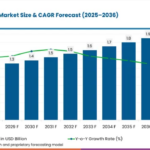
According to Future Market Insights, the global Bone Defect Repair Materials Market is projected to expand from USD 2.9 billion in 2026 to USD 9.6 billion by 2036, reflecting substantial opportunities for manufacturers capable of ensuring consistent production and uninterrupted product availability.
The increasing adoption of standardized biomaterials, particularly artificial bone products, is further transforming purchasing behavior across healthcare institutions. As orthopedic procedures continue to rise globally, procurement teams are strengthening supplier evaluation criteria, integrating service quality, inventory support, and delivery commitments into contract negotiations.
Market Flow
Procurement
↓
Standardization
↓
Reliability
↓
Partnerships
↓
Expansion
↓
Growth
Market Overview
The Bone Defect Repair Materials Market is experiencing significant transformation as healthcare systems worldwide expand orthopedic capabilities and invest in more resilient supply chains. The growing complexity of healthcare delivery, coupled with increasing procedural volumes, has elevated procurement from a transactional function to a strategic business process.
Hospitals are placing greater emphasis on sourcing strategies that support both clinical effectiveness and operational continuity. This shift reflects broader healthcare industry trends where supply chain resilience and predictable product availability are becoming essential components of patient care delivery.
Key Growth Drivers
One of the most significant growth drivers within the market is the increasing focus on strategic hospital procurement. Healthcare institutions are seeking long-term partnerships that reduce operational risks while ensuring consistent access to critical repair materials.
The rise in orthopedic and reconstructive procedures continues to generate sustained demand for advanced bone repair solutions. Hospitals performing large volumes of trauma repair and orthopedic surgeries require dependable material availability to maintain procedural schedules and optimize resource utilization.
The emphasis on long-term value rather than immediate acquisition costs is creating favorable conditions for manufacturers that can provide comprehensive service offerings alongside high-quality products.
Technology & Innovation Trends
Technological advancements are driving the development of increasingly standardized biomaterials that simplify purchasing decisions and improve surgical consistency. Standardization has emerged as a critical trend because healthcare providers seek products with predictable performance characteristics and manufacturing specifications.
Artificial bone materials are expected to account for 40.0% of market demand in 2026, highlighting the growing acceptance of engineered biomaterials within healthcare institutions.
Market Challenges & Restraints
Despite strong growth prospects, the market faces several challenges related to procurement complexity and supplier qualification requirements.
Many specialized biomaterials remain subject to lengthy evaluation and approval processes within hospitals. Healthcare institutions often require extensive internal assessments before introducing new products into clinical workflows, creating barriers for manufacturers seeking market entry.
Surgeon familiarity with established products further reinforces existing supplier relationships. Transitioning to alternative vendors frequently involves additional training, protocol adjustments, and procurement approvals, which can increase operational burdens for healthcare providers.
Segment Analysis
Artificial Bone Segment
Artificial bone products are projected to capture 40.0% of market demand in 2026, positioning them as a leading product category within the industry. Their standardized manufacturing specifications and scalable production capabilities make them particularly attractive for institutional procurement programs.
The consistency offered by artificial bone materials helps healthcare providers reduce inter-surgical variability while simplifying inventory planning and purchasing decisions.
Orthopedic Applications Segment
Orthopedic applications are expected to account for 55.0% of total market demand in 2026, making this the dominant application segment.
The growing volume of trauma repair, reconstructive procedures, and orthopedic interventions continues to drive demand for reliable repair materials. Healthcare providers performing high-volume orthopedic surgeries require uninterrupted access to approved biomaterials, encouraging procurement teams to prioritize supply continuity when negotiating vendor contracts.
Regional Analysis
Regional healthcare systems are increasingly adopting strategic sourcing frameworks designed to improve supply resilience and optimize procurement efficiency. Developed healthcare markets continue to emphasize quality assurance, regulatory compliance, and inventory reliability when evaluating suppliers.
Meanwhile, expanding healthcare infrastructure in emerging regions is creating additional demand for standardized bone repair materials. Hospitals in these markets are seeking scalable procurement solutions capable of supporting growing procedural volumes and improving patient outcomes.
Competitive Landscape
Competition within the Bone Defect Repair Materials Market is evolving beyond product performance alone. Manufacturers are increasingly differentiating themselves through service quality, production reliability, regulatory support, and supply chain capabilities.
Procurement teams are evaluating suppliers based on broader performance metrics that include delivery commitments, inventory availability, technical assistance, documentation standards, and compliance capabilities.
Leading Companies Analysis
Market leaders are focusing on building integrated value propositions that combine advanced biomaterials with dependable service capabilities. Companies investing in scalable manufacturing operations and robust distribution networks are better positioned to satisfy institutional procurement requirements.
Organizations capable of ensuring uninterrupted product availability while maintaining quality consistency are increasingly favored by healthcare providers. These strengths support long-term customer relationships and enhance participation in large healthcare procurement programs.
Investment & Strategic Developments
Investment activity across the market is increasingly directed toward manufacturing scalability, inventory optimization, and supply chain resilience. Companies are strengthening production infrastructure to support growing demand from healthcare networks and improve service reliability.
Strategic procurement trends are also encouraging manufacturers to invest in quality management systems, regulatory compliance programs, and customer support capabilities. These initiatives help suppliers meet evolving tender requirements and improve competitiveness during contract evaluations.
Future Outlook
The future of the Bone Defect Repair Materials Market will be shaped by the continued evolution of hospital procurement strategies. As healthcare institutions prioritize supply assurance, standardization, and vendor reliability, manufacturers will need to expand their focus beyond product innovation alone.
The projected increase from USD 2.9 billion in 2026 to USD 9.6 billion by 2036 underscores the significant growth potential available to companies capable of supporting large-scale healthcare operations.
Business Impact
FMI helps organizations transform market complexity into strategic clarity, enabling leadership teams to identify growth opportunities faster, optimize resource allocation, strengthen competitive positioning, and make high-stakes business decisions with confidence.
To explore how FMI Custom Research can support your strategic priorities, please connect with our team at – sales@futuremarketinsights.com
Conclusion
The Bone Defect Repair Materials Market is undergoing a fundamental shift as hospital procurement becomes increasingly strategic and value-driven. Healthcare providers are emphasizing supply continuity, standardized quality, and long-term supplier partnerships to support expanding orthopedic and reconstructive care requirements.
With artificial bone materials expected to account for 40.0% of market demand and orthopedic applications representing 55.0% of usage in 2026, the industry is positioned for sustained growth.
Explore More Related Studies Published by FMI Research:
Diagnostic X-Ray System Market
Continuous Glucose Monitoring Systems Market
Have specific requirements or need assistance on report pricing or limited budget? Please contact us – sales@futuremarketinsights.com
About Future Market Insights (FMI)
Future Market Insights, Inc. (FMI) is an ESOMAR-certified, ISO 9001:2015 market research and consulting organization trusted by Fortune 500 companies and global enterprises. With operations across the United States, United Kingdom, India, and Dubai, FMI delivers data-driven market intelligence, strategic consulting, and actionable insights across more than 30 industries and 1,200 markets worldwide.