Market Overview: Growth Fueled by Automation, Compliance & Advanced Drug Packaging Needs
The global pharmaceutical packaging equipment market is poised for steady expansion, projected to grow from USD 6.0 billion in 2025 to USD 8.7 billion by 2035, registering a CAGR of 3.7% during the forecast period. This growth is largely driven by increasing pharmaceutical production, rising demand for biologics and personalized medicines, and the need for compliant, contamination-free packaging solutions.
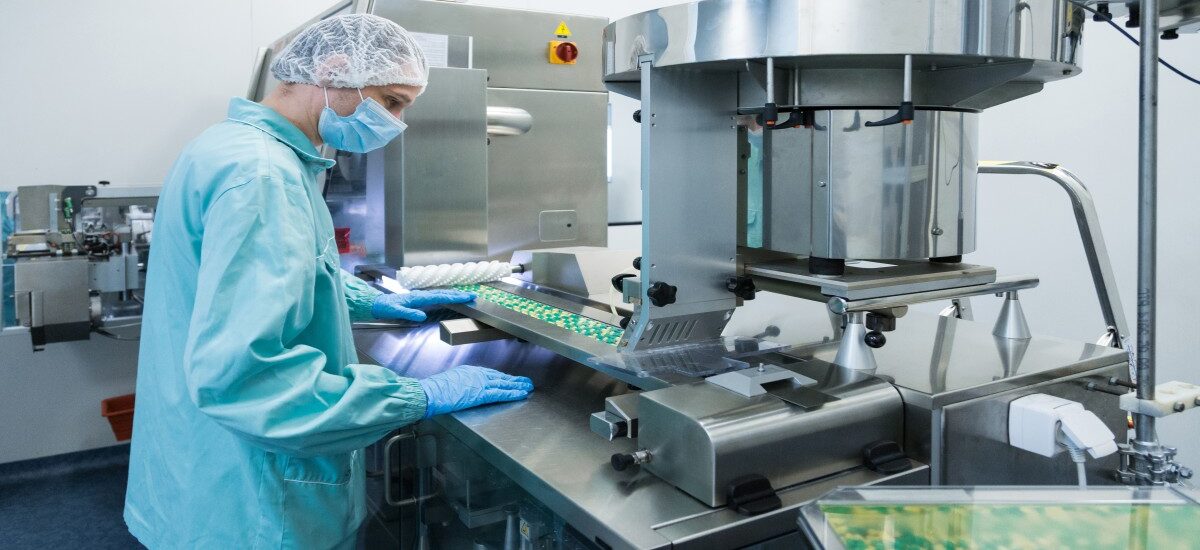
Pharmaceutical packaging equipment plays a critical role in ensuring drug safety, stability, and regulatory compliance. From blister packs for tablets to sterile filling systems for injectables, advanced machinery is essential to maintain quality across the pharmaceutical supply chain. As global health standards tighten and drug complexity increases, packaging equipment is evolving into a highly sophisticated, technology-driven segment.
Key Market Metrics
- Market Size (2025): USD 6.0 Billion
- Forecast Value (2035): USD 8.7 Billion
- CAGR (2025–2035): 3.7%
- Leading Equipment Type: Blister Packaging Equipment (34.6% share)
- Top Formulation Segment: Tablets & Capsules (48.1% share)
- Fastest Growing Market: United States
Get detailed market forecasts, competitive benchmarking, and pricing trends: https://www.futuremarketinsights.com/reports/sample/rep-gb-15125
Key Growth Drivers
- Rise of Biologics and Personalized Medicine
The shift toward complex drug formulations such as biologics, injectables, and combination therapies is driving demand for advanced packaging equipment. These drugs require highly controlled environments, sterile packaging, and precision handling, pushing manufacturers to invest in next-generation machinery.
- Increasing Focus on Regulatory Compliance
Strict global regulations from authorities such as the FDA, EMA, and WHO are mandating high standards for packaging integrity, traceability, and contamination control. This has accelerated the adoption of automated, tamper-evident, and serialization-enabled packaging systems.
- Automation and Smart Manufacturing
Pharmaceutical companies are embracing automation to enhance efficiency, reduce human intervention, and ensure consistency. Technologies such as robotic packaging lines, AI-powered inspection systems, and predictive maintenance are transforming packaging operations.
- Sustainability and Eco-Friendly Packaging
Sustainability is becoming a key priority. Equipment manufacturers are designing machines that support recyclable materials, reduce energy consumption, and minimize waste. Modular and compact systems are also helping optimize resource utilization.
Supply Chain Analysis: Integrated and Technology-Driven
The pharmaceutical packaging equipment market operates within a complex and interconnected ecosystem:
- Raw Material & Component Suppliers: Provide machine parts, sensors, robotics, and software systems.
- Equipment Manufacturers: Companies such as Syntegon, OPTIMA Packaging Group, and MULTIVAC develop advanced packaging machinery.
- Pharmaceutical Companies & CMOs: Utilize these machines for packaging various drug formulations.
- Regulatory Bodies: Ensure compliance with global safety and quality standards.
- Distribution & Healthcare Providers: Deliver packaged drugs to end users while maintaining integrity and traceability.
This integrated supply chain ensures efficiency, compliance, and scalability across global pharmaceutical operations.
Segmentation Insights
By Equipment Type
- Blister Packaging Equipment: Dominates due to precise dose protection and compliance
- Bottle Filling & Capping Systems: Widely used for liquid and solid formulations
- Cartoning & Labeling Equipment: Essential for branding and regulatory information
- Form-Fill-Seal (FFS) Machines: Gaining traction for flexible packaging
By Product Type
- Solid packaging equipment
- Liquid packaging equipment
- Semi-solid packaging systems
- Aseptic packaging machinery
By End-Use Formulation
- Tablets & Capsules (leading segment)
- Injectable drugs
- Syrups & suspensions
- Topical and inhalable drugs
Regional Analysis
North America: Market Leader
North America dominates the pharmaceutical packaging equipment market due to:
- Advanced pharmaceutical manufacturing infrastructure
- Strong regulatory framework
- High adoption of automation and smart packaging technologies
- Growing demand for biologics and injectables
The United States, in particular, is witnessing rapid adoption of robotic packaging systems and serialization technologies.
Europe: Innovation and Compliance Hub
Europe maintains steady growth with strong emphasis on:
- Regulatory compliance under EMA guidelines
- Sustainable packaging initiatives
- Advanced blister and sterile packaging technologies
Countries like Germany, France, and Italy are leading adopters of digital packaging solutions.
Asia-Pacific: Emerging Growth Engine
Asia-Pacific is experiencing significant growth driven by:
- Expanding pharmaceutical production in India and China
- Government initiatives supporting local manufacturing
- Increasing healthcare demand and exports
The region is becoming a hub for cost-effective and scalable packaging solutions.
Technology & Innovation Trends
- Digital Twin Technology: Enables simulation and optimization of packaging processes
- AI-Based Quality Control: Detects defects in real time
- Serialization & Track-and-Trace: Ensures product authenticity and compliance
- Robotics & Automation: Enhances speed, precision, and hygiene
- Smart Packaging Integration: Includes QR codes and data-driven labeling systems
These innovations are transforming packaging equipment into intelligent, data-driven systems.
Challenges
Regulatory Complexity
Compliance with global standards requires extensive validation, documentation, and testing, increasing costs and time-to-market.
High Capital Investment
Advanced packaging machinery involves significant upfront investment, especially for small and mid-sized manufacturers.
Flexibility Requirements
Frequent changes in drug formulations demand adaptable and modular equipment, adding to operational complexity.
Opportunities
Automation & Digitalization
Growing demand for automated and intelligent packaging systems presents strong growth opportunities.
Serialization and Anti-Counterfeiting
Rising concerns over drug safety are driving adoption of track-and-trace technologies.
Emerging Markets Expansion
Developing regions offer untapped potential for equipment manufacturers due to increasing pharmaceutical production.
Biologics and Specialty Drugs
The rise of temperature-sensitive and complex drugs is creating demand for specialized packaging equipment.
Unlock 360° insights for strategic decision making and investment planning: https://www.futuremarketinsights.com/checkout/15125
Competitive Landscape
The market is highly competitive, with key players focusing on innovation, automation, and compliance:
- Syntegon (Bosch Packaging Technology)
- OPTIMA Packaging Group GmbH
- MULTIVAC Group
- ACG Worldwide
- Tofflon Science and Technology Co., Ltd.
- Accutek Packaging Equipment Companies
These companies are investing in smart manufacturing, modular systems, and sustainable solutions to strengthen their market position.
Speak to Analyst: Customize insights for your business strategy: https://www.futuremarketinsights.com/customization-available/rep-gb-15125
Future Outlook (2025–2035)
The pharmaceutical packaging equipment market is set to evolve into a highly automated, digital, and sustainability-driven industry. Over the next decade:
- Smart factories and Industry 4.0 technologies will become standard
- Demand for flexible and modular equipment will increase
- Sustainability will drive equipment design and material compatibility
- Collaboration between pharma companies and equipment manufacturers will intensify
By 2035, companies that prioritize innovation, regulatory compliance, and digital transformation will lead the market. The integration of AI, robotics, and data analytics will redefine packaging efficiency, ensuring safer and more reliable pharmaceutical delivery worldwide.
Why FMI: https://www.futuremarketinsights.com/why-fmi
About Future Market Insights (FMI)
Future Market Insights, Inc. (FMI) is an ESOMAR-certified, ISO 9001:2015 market research and consulting organization, trusted by Fortune 500 clients and global enterprises. With operations in the U.S., UK, India, and Dubai, FMI provides data-backed insights and strategic intelligence across 30+ industries and 1200 markets worldwide.
Contact Us:
Future Market Insights Inc., Christiana Corporate, 200 Continental Drive, Suite 401, Newark, Delaware – 19713, USA
T: +1-347-918-3531
For Sales Enquiries: sales@futuremarketinsights.com
Website: https://www.futuremarketinsights.com
LinkedIn| Twitter| Blogs | YouTube