

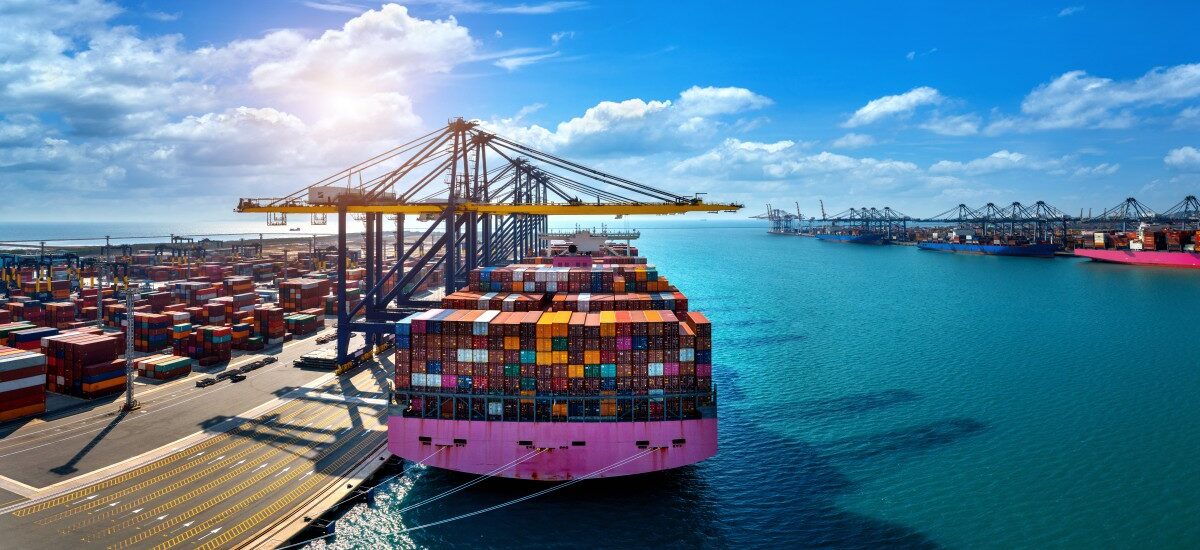
The global shipping container market is poised for steady and resilient growth over the next decade, supported by expanding global trade networks, rising e-commerce penetration, and rapid advancements in logistics technologies. According to industry analysis, the market is projected to grow from USD 8.1 billion in 2025 to USD 11.6 billion by 2035, registering a CAGR of 3.6% during the forecast period.
Shipping containers remain the backbone of international trade, enabling efficient, standardized, and secure transportation of goods across maritime, rail, and road networks. Their role has become even more critical as global supply chains evolve toward greater integration, automation, and sustainability.
Market Overview: Growth Anchored in Trade Expansion and Logistics Modernization
The continued expansion of global trade routes and increasing reliance on containerization have significantly strengthened market demand. Developing economies are actively participating in international exports, driving the need for scalable and cost-efficient transportation solutions.
Recent global disruptions, particularly in key maritime routes such as the Red Sea, have highlighted the importance of container availability and logistics resilience. These disruptions have led to port congestion, increased freight rates, and a greater need for container capacity and operational flexibility.
At the same time, investments in smart port infrastructure, automated handling systems, and digital logistics platforms are transforming how containers are tracked, managed, and deployed.
Key Market Metrics
Market Size (2025): USD 8.1 Billion
Forecast Value (2035): USD 11.6 Billion
CAGR (2025–2035): 3.6%
Dominant Segment: Dry Containers (52.6% market share)
Top End Use: Consumer Goods (31.4% share)
Fastest Growing Market: India (4.9% CAGR)
Get detailed market forecasts, competitive benchmarking, and pricing trends:
https://www.futuremarketinsights.com/reports/sample/rep-gb-19663
Key Growth Drivers
- Expansion of Global Trade Networks
The continuous rise in international trade, supported by trade agreements and globalization, is a primary driver of the shipping container market. Emerging economies are increasingly exporting goods, creating strong demand for standardized shipping solutions.
- E-commerce Boom and Supply Chain Acceleration
The rapid growth of e-commerce has transformed logistics requirements. Companies now rely heavily on containerized shipping to ensure timely and cost-efficient delivery of goods to distribution centers and end consumers.
- Technological Innovation and Smart Containers
Technological advancements are reshaping the industry with the adoption of IoT-enabled smart containers. These containers provide real-time data on location, temperature, and humidity, improving supply chain transparency and operational efficiency.
- Infrastructure and Port Modernization
Governments and private stakeholders are investing heavily in port infrastructure, automated terminals, and multimodal logistics hubs, enhancing container throughput and reducing turnaround times.
Supply Chain Analysis: A Digitally Integrated Ecosystem
The shipping container market operates within a highly interconnected global supply chain:
Raw Material Suppliers: Steel manufacturers provide corrosion-resistant and high-strength materials
Container Manufacturers: Companies design and produce standardized and specialized containers
Logistics Providers: Freight forwarders and shipping companies manage container movement
Port Authorities: Facilitate loading, unloading, and storage operations
End Users: Industries such as consumer goods, pharmaceuticals, and automotive rely on containers for transport
Digital platforms, predictive analytics, and container pooling models are increasingly being adopted to optimize asset utilization and reduce operational costs.
Segmentation Insights
By Container Type
Dry Containers: Dominant segment due to versatility and cost efficiency
Refrigerated Containers (Reefers): Growing demand for perishable goods transport
Tank Containers: Used for chemicals and liquid cargo
Specialized Containers: Including flat racks and open-top containers
Dry containers alone account for over 52.6% of the market, driven by their widespread use in transporting general cargo such as electronics, textiles, and packaged goods.
By End-Use Industry
Consumer Goods
Food & Beverage
Pharmaceuticals
Chemicals
Automotive
Industrial Equipment
The consumer goods segment leads with 31.4% share, supported by high-volume global trade and the rapid expansion of e-commerce.
Regional Analysis
Asia-Pacific: The Growth Powerhouse
Asia-Pacific dominates the global shipping container market, driven by strong manufacturing output, export activity, and rising domestic consumption. Countries like India and China are at the forefront, supported by infrastructure development and increasing trade connectivity.
North America: Technology and Efficiency Focus
North America emphasizes logistics optimization through digital technologies, automation, and smart container solutions, ensuring high operational efficiency.
Europe: Sustainability and Compliance Leadership
Europe remains a mature market, focusing on sustainable container materials, low-emission transport solutions, and strict environmental regulations.
Unlock 360° insights for strategic decision making and investment planning: https://www.futuremarketinsights.com/checkout/19663
Competitive Landscape
The market features a mix of established global players and emerging innovators. Leading companies are focusing on digital transformation, sustainability, and capacity expansion.
Key Players Include:
A.P. Moller – Maersk
China International Marine Containers (CIMC)
COSCO Shipping Lines
Singamas Container Holdings
Triton International Limited
Textainer Group Holdings
These companies are investing in advanced logistics technologies, eco-friendly container designs, and integrated supply chain solutions to maintain competitive advantage.
Technology & Innovation Trends
Smart Containers: Integration of IoT and RFID for real-time tracking
Predictive Analytics: Enhancing demand forecasting and route optimization
Lightweight Materials: Improving fuel efficiency and reducing emissions
Collapsible Containers: Optimizing storage and reducing empty returns
Solar-Powered Units: Supporting energy-efficient operations
These innovations are not only improving efficiency but also aligning with global sustainability goals.
Challenges in the Market
Volatility in Steel Prices: Directly impacts manufacturing costs
Supply Chain Disruptions: Caused by geopolitical tensions and route instability
Port Congestion: Leading to delays and increased operational costs
High Capital Investment: Required for infrastructure and technology upgrades
Opportunities & Investment Outlook
Smart Logistics Integration: High potential in IoT-enabled container systems
Emerging Markets Expansion: Strong growth in Asia-Pacific and Africa
Sustainable Container Design: Demand for eco-friendly materials and coatings
E-commerce Partnerships: Increasing demand for containerized logistics
Automation & AI Adoption: Enhancing efficiency and reducing costs
Speak to Analyst: Customize insights for your business strategy: https://www.futuremarketinsights.com/customization-available/rep-gb-19663
Future Outlook (2025–2035)
The shipping container market is expected to evolve into a technology-driven and sustainability-focused ecosystem. As global trade stabilizes and supply chains become more resilient, demand for both standard and specialized containers will continue to rise.
Key future trends include:
Increased adoption of smart and connected containers
Expansion of multimodal transport networks
Growth in container leasing and pooling models
Integration of AI and automation in logistics
Strong emphasis on circular economy practices
By 2035, competitive advantage will depend on digital capabilities, sustainability initiatives, and operational efficiency, positioning the shipping container industry as a critical enabler of global commerce.
Why FMI: https://www.futuremarketinsights.com/why-fmi
About Future Market Insights (FMI)
Future Market Insights, Inc. (FMI) is an ESOMAR-certified, ISO 9001:2015 market research and consulting organization, trusted by Fortune 500 clients and global enterprises. With operations in the U.S., UK, India, and Dubai, FMI provides data-backed insights and strategic intelligence across 30+ industries and 1200 markets worldwide.
Contact Us:
Future Market Insights Inc., Christiana Corporate, 200 Continental Drive, Suite 401, Newark, Delaware – 19713, USA
T: +1-347-918-3531
For Sales Enquiries: sales@futuremarketinsights.com
Website: https://www.futuremarketinsights.com
LinkedIn| Twitter| Blogs | YouTube




