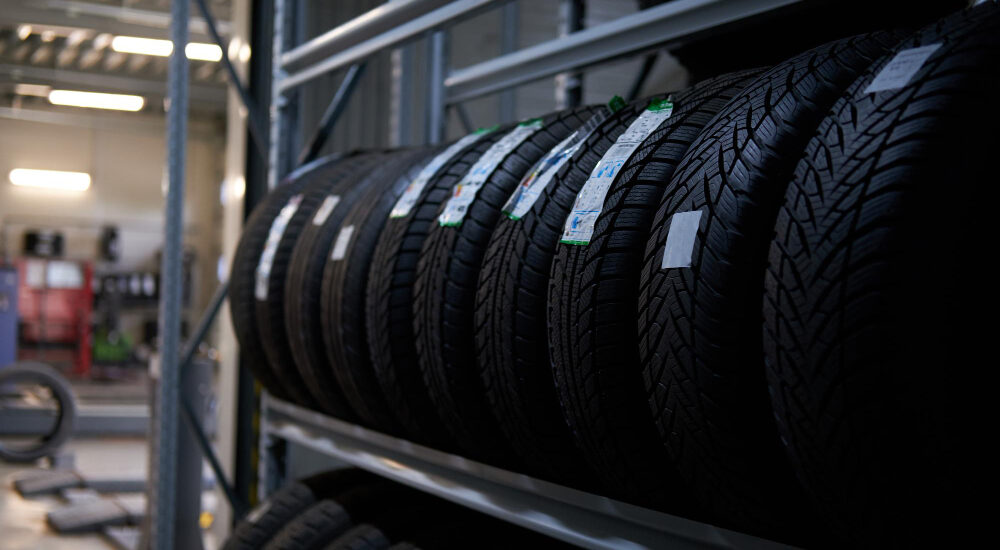
The global tire materials market is entering a sustained growth phase, fueled by rapid expansion in the automotive sector, rising vehicle parc, and increasing adoption of sustainable and high-performance tire technologies. Valued at USD 86.44 billion in 2025, the market is projected to reach USD 127.9 billion by 2035, registering a CAGR of 4.0% over the forecast period.
Market expansion is largely driven by increasing automotive production, growth in electric vehicles (EVs), and rising demand for durable, fuel-efficient, and eco-friendly tires. The integration of advanced materials such as silica fillers, bio-based rubber, and high-performance synthetic compounds is transforming tire manufacturing, aligning with global sustainability goals.
The demand for tire materials is also gaining momentum across commercial transportation, agriculture, and industrial sectors due to increasing mobility needs and infrastructure development worldwide.
Market Size, Growth & Forecast Outlook (2025–2035)
•2025 Market Value: USD 86.44 Billion
• 2030 Market Value: USD 106.3 Billion (est.)
• 2035 Market Value: USD 127.9 Billion
• CAGR (2025–2035): 4.0%
• Total Growth: ~48% (~1.5X expansion)
Get detailed market forecasts, competitive benchmarking, and pricing trends:
https://www.futuremarketinsights.com/reports/sample/rep-gb-9242
Growth Phases
•2025–2030: Growth driven by rising vehicle production, EV adoption, and demand for fuel-efficient tires
• 2030–2035: Expansion through sustainable materials, advanced rubber alternatives, and circular economy initiatives
Key Market Drivers
- Rising Automotive Production & Vehicle Parc
The global vehicle parc is estimated at over 1.4 billion, with vehicles requiring frequent tire replacement every 2–3 years. This continuous replacement cycle significantly boosts demand for tire materials.
- Growth of Electric Vehicles (EVs)
EV adoption is accelerating rapidly, requiring specialized tires with low rolling resistance and enhanced durability. This drives demand for advanced materials such as silica and synthetic rubber compounds.
- Shift Toward Sustainable & Green Tires
- Adoption of low rolling resistance tires
• Increased use of silica as filler material
• Development of recyclable and bio-based tire materials
Supply Chain Analysis (Who Supplies Whom)
Upstream Suppliers
• Natural rubber producers (para rubber plantations)
• Petrochemical companies (synthetic rubber, chemicals)
• Filler material producers (carbon black, silica)
Midstream Producers
• Tire material manufacturers
• Rubber compounders and chemical processors
Downstream Processors
• Tire manufacturers (OEM & aftermarket)
• Automotive component suppliers
End-Users
• Automotive OEMs
• Commercial transport operators
• Agricultural & industrial sectors
Insight: Integration of sustainable raw materials and alternative rubber sources is improving supply chain resilience and cost efficiency.
Key Segmentation Insights
By Material Type
• Natural Rubber: Dominates with ~23.5% share
• Synthetic Rubber
• Fillers (Silica, Carbon Black)
• Plasticizers & Chemicals
By Tire Type
• Pneumatic Tires: Lead with ~78.6% share
• Solid Tires
• Retreaded Tires
By Application
• Passenger Vehicles
• Commercial Vehicles
• Off-highway vehicles
• Industrial applications
Pricing Trends & Cost Dynamics
• Prices influenced by natural rubber supply fluctuations
• Silica adoption increasing production costs but improving efficiency
• Transportation and logistics costs impact regional pricing
• Sustainable materials gradually reducing long-term cost pressures
Trend Insight: Transition toward silica and bio-based materials is balancing cost efficiency with environmental compliance.
Regional Analysis & Growth Hotspots
Asia Pacific – The Market Leader
Asia Pacific dominates the global tire materials market due to strong automotive production and industrial expansion.
Country-Level CAGR (2025–2035)
• India: 6.0% (fastest growing)
• China: 5.7%
• Brazil: 5.3%
• Spain: 3.6%
• USA: 2.8%
• Germany: 2.1%
China Leads Global Demand
China remains the largest automotive market globally, supported by:
• Rapid industrialization
• Strong EV adoption
• Expanding infrastructure projects
USA Market Growth
The USA market is driven by:
• High vehicle ownership
• Advanced automotive technologies
• Growing EV ecosystem
Germany’s Innovation Edge
Germany leads in Europe due to:
• Automotive engineering excellence
• Focus on sustainable tire materials
• Strong EV transition policies
Unlock 360° insights for strategic decision making and investment planning:
https://www.futuremarketinsights.com/checkout/9242
Competitive Landscape
The tire materials market is moderately consolidated, with leading players accounting for approximately 55–60% of global market share.
Leading Companies
• Exxon Mobil Corporation
• Cabot Corporation
• Evonik Industries AG
• Birla Carbon
• Bekaert
Other Key Players
• JSR Corporation
• Kuraray Co., Ltd.
• Lanxess
• PetroChina Company Limited
• Solvay SA
Competitive Strategies
• Development of high-performance and green tire materials
• Investment in alternative rubber sources (Guayule, Dandelion)
• Expansion in Asia Pacific and emerging markets
• Strategic partnerships with tire manufacturers
Key Trends Shaping the Market
• Increasing adoption of silica-based tires
• Development of alternative natural rubber sources
• Growth in EV-specific tire materials
• Expansion of recyclable and sustainable materials
• Rising demand for high-performance tires
Market Challenges & Risks
• Volatility in natural rubber supply
• Environmental regulations on carbon black
• Anti-dumping duties impacting global trade
• Declining tire replacement rates due to durability improvements
Investment Opportunities
•Expansion of sustainable tire material production
• Growth in EV tire segment
• Development of alternative rubber technologies
• Emerging markets in Asia and Latin America
• Recycling and circular economy initiatives
Speak to Analyst: Customize insights for your business strategy:
https://www.futuremarketinsights.com/customization-available/rep-gb-9242
Future Outlook (2035 and Beyond)
The tire materials market is expected to evolve into a sustainability-driven ecosystem, characterized by increased reliance on bio-based materials, recyclable components, and advanced performance compounds.
With rising environmental regulations and growing demand for fuel-efficient and durable tires, manufacturers are focusing on innovation and material optimization. The integration of alternative rubber sources and silica-based technologies will play a crucial role in shaping the future of the market.
As automotive electrification, urbanization, and mobility trends continue to evolve, tire materials will remain a critical component in ensuring performance, safety, and sustainability across global transportation systems.
Why FMI:
https://www.futuremarketinsights.com/why-fmi
About Future Market Insights (FMI)
Future Market Insights, Inc. (FMI) is an ESOMAR-certified, ISO 9001:2015 market research and consulting organization, trusted by Fortune 500 companies and global enterprises. With a strong global presence, FMI delivers data-driven insights across diverse industries and markets.
Contact Us:
Future Market Insights Inc.
Christiana Corporate, 200 Continental Drive,
Suite 401, Newark, Delaware – 19713, USA
T: +1-347-918-3531
For Sales Enquiries: sales@futuremarketinsights.com
Website: https://www.futuremarketinsights.com