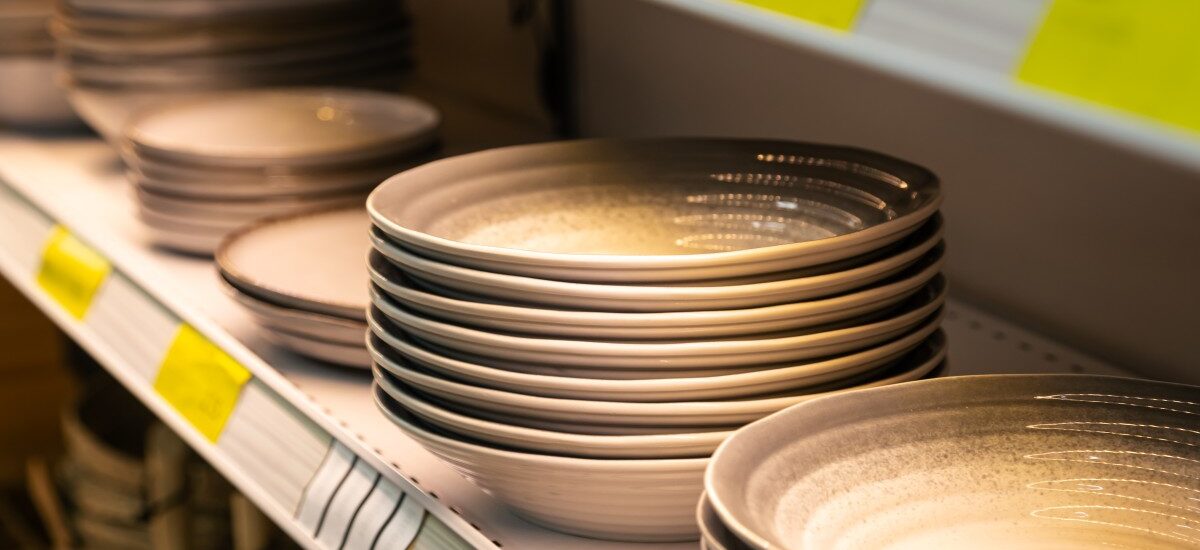
The global disposable plates market is entering a structured growth phase, fueled by increasing demand for convenience, the expansion of the foodservice sector, and growing consumer preference for hygienic serving solutions. Valued at approximately USD 9.24 billion in 2026, the market is projected to reach nearly USD 16.8 billion by 2036, expanding at a CAGR of 6.2% over the forecast period.
This growth trajectory mirrors a broader transformation in the foodservice, catering, and household sectors, where disposable plates are evolving from low-cost, single-use items into performance-oriented, eco-conscious serving solutions. Materials such as paper, biodegradable bagasse, PLA (polylactic acid), and other plant-based alternatives are increasingly gaining traction alongside traditional plastic and foam plates.
Discover Growth Opportunities in the Market – Get Your Sample Report Now
https://www.futuremarketinsights.com/reports/sample/rep-gb-5842
Regulatory Momentum and Sustainability Commitments Drive Demand
Government-led initiatives targeting single-use plastics and non-compostable tableware are a major growth driver. In North America and Europe, strict environmental regulations are encouraging restaurants, catering services, and event operators to adopt biodegradable and compostable plates.
Simultaneously, corporate sustainability pledges and ESG procurement strategies are accelerating adoption. Foodservice operators are increasingly prioritizing eco-friendly plates not just for compliance, but as a visible commitment to operational sustainability.
Key demand drivers include:
- Increasing bans on single-use plastic and foam plates
- Rising consumer awareness of environmental sustainability
- Expansion of quick-service restaurants (QSRs) and takeaway services
- Investments in biodegradable materials and eco-friendly supply chains
Innovation Reshaping Product Performance and Adoption
Historically, disposable plates faced challenges such as low thermal resistance and structural fragility. Advances in material science and plate manufacturing are addressing these limitations, making modern disposable plates both functional and sustainable.
Manufacturers are now introducing:
- Enhanced bagasse and PLA-based plates with improved strength
- Paper-based plates with advanced coatings for liquid resistance
- Multi-compartment and decorative designs for premium dining experiences
- Fully compostable and plant-based plates tailored for operational efficiency
These improvements enhance durability, usability, and presentation, allowing foodservice operators to balance convenience, hygiene, and sustainability. Plate sizes ranging from small (below 7 inches) to extra-large (above 10.5 inches) are catering to diverse applications from household use to large-scale catering events.
Asia-Pacific Emerges as a High-Growth Engine
While North America and Europe remain mature markets due to high consumer awareness and regulatory enforcement, Asia-Pacific is poised for the fastest growth over the next decade.
Countries such as India, China, and Japan are witnessing rapid urbanization, expanding food delivery ecosystems, and increasing adoption of plant-based and biodegradable materials. The region’s large population, rising disposable incomes, and evolving lifestyles are driving significant demand for convenient and eco-friendly serving solutions.
Europe continues to show strong momentum with circular economy policies and sustainability targets, whereas North America leads in product innovation, scale manufacturing, and commercial adoption of premium disposable plates.
Competitive Landscape: Innovation and Scale Define Market Leadership
The disposable plates market is moderately consolidated, with leading players focusing on material innovation, large-scale manufacturing, and strategic partnerships with foodservice operators.
Key companies shaping the competitive landscape include: Huhtamaki Oyj, Dart Container Corporation, Georgia-Pacific LLC, Pactiv LLC, Genpak LLC, Eco-Products Inc., Vegware Ltd., and Biopak Pty Ltd.
These companies are actively investing in:
- Advanced biodegradable and compostable materials
- High-efficiency manufacturing technologies
- Sustainable sourcing and supply chain optimization
Emerging startups are introducing disruptive designs, including multi-compartment compostable plates, premium decorative plates, and hybrid material solutions for durability and environmental compliance.
Analyst Perspective: From Convenience to Competitive Advantage
Industry analysts note that disposable plates are evolving beyond operational convenience into a strategic brand asset.
“Disposable plates are now a reflection of operational efficiency and sustainability commitment,” said a senior market analyst. “Foodservice operators that adopt high-quality, eco-friendly plates gain consumer trust and reinforce brand credibility.”
Integration of AI-driven supply chain optimization, advanced coating technologies, and innovative bio-based materials is expected to further enhance efficiency, sustainability, and product performance.
Future Outlook: Innovation and Circularity to Unlock New Opportunities
Looking ahead, the market is poised to see innovation focused on functionality, environmental impact, and user experience.
Emerging opportunities include:
- Fully compostable and carbon-neutral plate solutions
- Multi-functional and premium-designed plates for catering and events
- Subscription-based delivery of eco-friendly disposable tableware
- Integration of coatings and material blends to improve heat and liquid resistance
Despite challenges such as raw material variability and higher production costs, ongoing R&D, scale efficiencies, and regulatory support are expected to sustain market growth over the forecast period.
Key Market Stats
- Market Size (2026): USD 9.24 Billion
- Forecast Value (2036): USD 16.8 Billion
- CAGR (2026–2036): 6.2%
- Leading Material: Paper-based Plates – 48.5% market share
- Leading End Use: Foodservice – 56% share
- Fastest Growing Region: Asia-Pacific
Why FMI: https://www.futuremarketinsights.com/why-fmi
About Future Market Insights (FMI)
Future Market Insights, Inc. (FMI) is an ESOMAR-certified, ISO 9001:2015 market research and consulting organization, trusted by Fortune 500 clients and global enterprises. With operations in the U.S., UK, India, and Dubai, FMI provides data-backed insights and strategic intelligence across 30+ industries and 1200 markets worldwide.
Contact Us:
Future Market Insights Inc.
Christiana Corporate, 200 Continental Drive,
Suite 401, Newark, Delaware – 19713, USA
T: +1-347-918-3531
For Sales Enquiries: sales@futuremarketinsights.com
Website: https://www.futuremarketinsights.com
LinkedIn| Twitter| Blogs | YouTube