The global packaging industry is undergoing a significant transformation as manufacturers seek solutions that balance performance, sustainability, and cost efficiency. Among the innovations gaining momentum is thin wall packaging, a lightweight packaging format that reduces material consumption while maintaining structural integrity. As industries such as food processing, dairy, ready meals, and personal care continue expanding, the need for efficient and scalable packaging solutions has intensified.
In 2026, the global thin wall packaging market was valued at approximately USD 48.8 billion. Industry forecasts indicate that demand will grow steadily, reaching USD 51.4 billion in 2027 and USD 82.6 billion by 2036, reflecting a compound annual growth rate (CAGR) of 5.4% during the forecast period. This growth highlights a structural shift toward lightweight, high-speed molded packaging formats that support modern manufacturing and distribution systems.
Get the Complete Story—Read More About Our Latest Report!
https://www.futuremarketinsights.com/reports/sample/rep-gb-24613
Meaning of Thin Wall Packaging
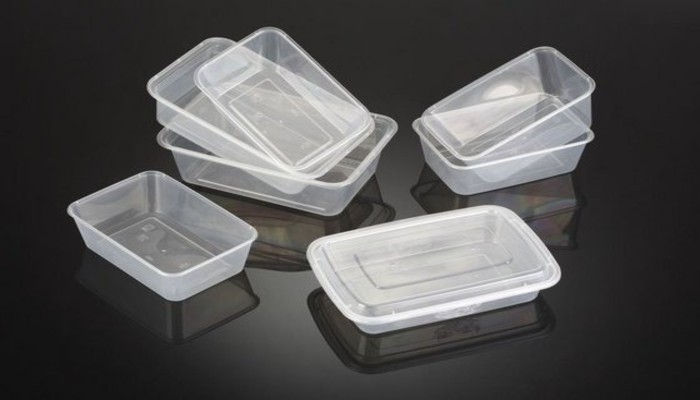
Thin wall packaging refers to plastic packaging products designed with reduced wall thickness to minimize raw material usage while preserving durability and functionality. These packaging formats are typically manufactured using advanced molding techniques such as injection molding or thermoforming.
The primary objective of thin wall packaging is to deliver lightweight, durable, and cost-efficient containers suitable for high-volume consumer goods. These packaging formats are widely used across sectors including food and beverage, cosmetics, healthcare, and household products.
Common materials used in thin wall packaging include:
- Polypropylene (PP)
- Polyethylene (PE)
- Polyethylene Terephthalate (PET)
- Polystyrene (PS)
- Polyvinyl Chloride (PVC)
- Bioplastics and recycled polymers
These materials provide the necessary flexibility, food safety compliance, and moldability required for mass production.
Market Overview
The thin wall packaging market has emerged as a crucial component of modern supply chains due to its ability to optimize production efficiency and logistics. Manufacturers increasingly adopt thin wall packaging to lower material costs, reduce shipping weight, and enhance manufacturing throughput.
Key packaging formats within this market include:
- Cups
- Tubs and pots
- Trays
- Lids and closures
- Clamshells and blister packs
- Containers and jars
The food and beverage industry dominates the market, accounting for more than half of global demand. Thin wall containers are widely used for dairy products, yogurt, spreads, ready meals, and takeaway foods due to their lightweight design and stackability.
Polypropylene remains the most widely used material in the sector due to its excellent stiffness-to-weight ratio, food safety compliance, and recyclability potential.
Market Growth Drivers
Several factors are accelerating the growth of the thin wall packaging market worldwide. Rapid urbanization, expanding packaged food consumption, and growing demand for sustainable packaging solutions are shaping the industry’s expansion.
Key Growth Drivers
- Rising demand for packaged foods: Increased consumption of ready-to-eat meals and dairy products boosts demand for lightweight containers.
- Material efficiency: Thin wall packaging reduces resin consumption while maintaining structural strength.
- High-speed production: Advanced injection molding technologies enable faster manufacturing cycles.
- Growth of organized retail: Supermarkets and convenience stores require stackable and space-efficient packaging formats.
- Sustainability initiatives: Lightweight packaging reduces carbon emissions associated with transport and material usage.
Together, these factors contribute to steady and long-term expansion across global packaging markets.
Market Demand Dynamics
Demand for thin wall packaging is closely tied to the performance of high-volume consumer goods sectors. Food processors, dairy companies, and ready-meal manufacturers rely on these containers to support efficient packaging operations.
Several industries are increasing their reliance on thin wall packaging solutions:
- Food and Beverage Industry: Yogurt cups, ice cream tubs, ready-meal trays, and fresh produce containers.
- Personal Care and Cosmetics: Cream containers, cosmetic jars, and skincare packaging.
- Healthcare Sector: Packaging for pharmaceuticals and nutraceuticals.
- Household Products: Containers for detergents, cleaning products, and small consumer goods.
In addition, rising e-commerce grocery services and takeaway food consumption are increasing demand for packaging that combines durability, lightweight design, and transport efficiency.
Emerging Trends in the Thin Wall Packaging Market
The industry is evolving rapidly as companies integrate sustainability and technological innovation into packaging designs.
Key Industry Trends
- Lightweighting Strategies: Manufacturers continue reducing packaging thickness to cut material usage.
- Post-Consumer Recycled (PCR) Materials: Increasing integration of recycled plastics into packaging structures.
- Mono-Material Packaging: Development of single-polymer packaging formats that improve recyclability.
- In-Mold Labeling (IML): Advanced labeling technology that enhances product aesthetics while maintaining recycling compatibility.
- Automation and High-Speed Manufacturing: Automated injection molding systems enable large-scale production with shorter cycle times.
- Sustainability Compliance: Companies are aligning packaging designs with circular economy policies and waste reduction regulations.
These trends are pushing the market toward environmentally responsible packaging solutions without compromising efficiency.
Regional Market Outlook
Regional dynamics play a critical role in shaping the growth of the thin wall packaging market.
Asia-Pacific
Asia-Pacific represents the fastest-growing region, driven by expanding food processing industries and rising urban consumption.
- India projected CAGR: 7.0%
- China projected CAGR: 6.5%
Growth is supported by increasing packaged food consumption and expanding organized retail networks.
North America
North America remains a mature yet innovative market characterized by high packaged food consumption and strong sustainability regulations.
- United States projected CAGR: 5.0%
Innovation in recyclable polypropylene containers and recycled material integration is driving growth.
Europe
Europe emphasizes sustainability and regulatory compliance in packaging production.
- Germany projected CAGR: 4.8%
Strict packaging waste regulations encourage lightweight, recyclable plastic packaging designs.
Latin America
Countries such as Brazil are witnessing strong growth due to expanding food production and retail modernization.
- Brazil projected CAGR: 6.0%
Competitive Landscape
The thin wall packaging market is moderately consolidated, with several global packaging companies operating alongside regional manufacturers. Competition primarily revolves around manufacturing scale, material efficiency, and sustainable packaging innovations.
Key Market Players
Major companies active in the thin wall packaging industry include:
- Amcor plc
- ALPLA
- Silgan Holdings
- PACCOR GmbH
- Greiner Packaging International
- Faerch Group
- Huhtamaki Oyj
- Plastipak Holdings
- Mold-Tek Packaging
- Groupe Guillin
- Pactiv Evergreen Inc.
Leading companies are investing in automation, recycled materials, and lightweight design technologies to strengthen their market positions.
Strategic partnerships with food and FMCG brands are also becoming increasingly common, allowing packaging manufacturers to co-develop sustainable packaging solutions.
Why FMI: https://www.futuremarketinsights.com/why-fmi
About Future Market Insights (FMI)
Future Market Insights, Inc. (FMI) is an ESOMAR-certified, ISO 9001:2015 market research and consulting organization, trusted by Fortune 500 clients and global enterprises. With operations in the U.S., UK, India, and Dubai, FMI provides data-backed insights and strategic intelligence across 30+ industries and 1200 markets worldwide.
Contact Us:
Future Market Insights Inc.
Christiana Corporate, 200 Continental Drive,
Suite 401, Newark, Delaware – 19713, USA
T: +1-347-918-3531
For Sales Enquiries: sales@futuremarketinsights.com
Website: https://www.futuremarketinsights.com
LinkedIn| Twitter| Blogs | YouTube