

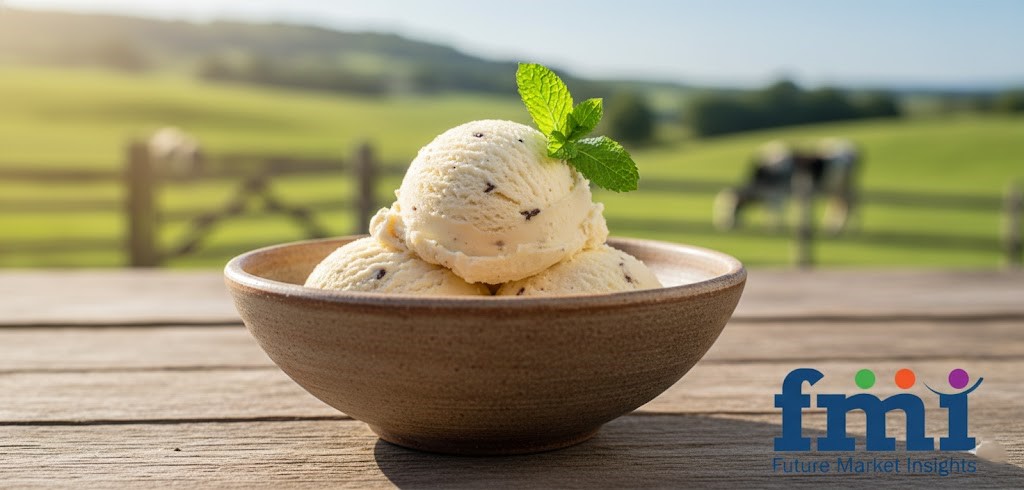
Consumers are paying more attention to what’s on their plates—and what’s in their desserts. Once a niche choice for the eco- and health-conscious, organic food has gone mainstream, appearing on supermarket shelves, specialty stores, and online marketplaces around the world. Ice cream, long considered a guilty pleasure, is no exception. Today’s consumers want to know not just how it tastes, but how it’s made: the quality of ingredients, absence of chemicals, and ethical sourcing. As a result, the organic ice cream market is heating up, driven by people seeking treats that are both indulgent and responsible.
Navigating the Organic Trend in the Dairy Industry
The global dairy market is navigating a period of transformation. Rising disposable incomes, rapid urbanization, and a shift in dietary focus—from carbohydrates to protein—have created new opportunities for organic dairy products. The organic food market has expanded beyond affluent consumers to those prioritizing GMO-free, high-quality ingredients. While organic beef, milk, and protein-rich beverages are gaining traction, the trend is also evident in snacks and frozen desserts like cheese and ice cream.
According to recent research by Future Market Insights, the organic cheese market alone crossed a US$ 2 billion mark in 2019, while organic ice cream is emerging as a significant growth segment. Innovation is becoming a key driver in the industry, with established manufacturers and new startups alike exploring unique flavors, ingredients, and sustainable production techniques to meet evolving consumer demands.
Organic Ice Cream – Hype or Hope?
Organic ice cream carries a promise of quality and functional benefits that conventional ice cream cannot match. Certified organic milk and cream, sourced from cows not exposed to pesticides, fertilizers, antibiotics, or artificial growth hormones, form the foundation of these premium products. These strict standards naturally raise production costs, making organic ice cream roughly 60% more expensive than conventional options.
Organic dairy cows are treated with the utmost care. They are fed only organic feed, grazed in chemical-free pastures, and given minimal medical interventions, allowing them to live according to natural rhythms. This approach not only promotes animal welfare but also enhances the nutritional profile of the milk. The additional cost of raising organic cattle translates into a more premium ice cream, but one that many consumers now view as worth the investment.
Beyond milk, organic ice cream relies on high-quality ingredients like organic fruit powders, cocoa, and vanilla beans. These ingredients not only enhance flavor but also appeal to the growing population of health-conscious buyers who scrutinize ingredient labels. For manufacturers, balancing quality with affordability is a key challenge—and opportunity—to attract a broader audience.
Established and Emerging Players Fueling Growth
Several established ice cream brands are expanding their organic lines to tap into this growing market. By leveraging their distribution networks and brand recognition, they can reach a wider audience while introducing innovative flavors and clean-label ingredients. At the same time, startups are carving out niches with unique business models, such as subscription-based deliveries, artisanal small-batch production, and locally sourced ingredients. These new entrants bring fresh ideas to the market, challenging conventional players to innovate.
Technological advancements are also shaping the future of organic ice cream. From eco-friendly packaging to advanced freezing techniques that preserve flavor and texture, manufacturers are using technology to enhance both the product and the customer experience. Companies exploring plant-based or hybrid organic ice creams are tapping into the demand for alternative dairy products while maintaining the organic promise.
Millennials Driving the Organic Ice Cream Boom
Millennials and Gen Z consumers are particularly influential in this shift. Their interest in sustainable farming, clean labels, and transparency in food sourcing has accelerated demand for organic desserts. The “organic” label next to familiar ingredients such as vanilla or cocoa creates instant trust, while the use of organic sugarcane or other natural sweeteners enhances flavor without harmful additives.
With taste, transparency, and sustainability now key drivers of purchasing decisions, organic ice cream is more than a fleeting trend—it’s a lasting market shift. Manufacturers who invest in innovation, quality, and sustainability are positioned to benefit from the growing spending power of health-conscious consumers.
The Scoop on the Future
The organic ice cream market represents a sweet spot for growth. Established brands can expand their portfolios with premium, health-oriented options, while startups can differentiate themselves with artisanal flavors and innovative business models. Technological innovations and sustainable practices promise to make high-quality organic ice cream more accessible to a wider audience.
For consumers, organic ice cream is not just an indulgence—it’s a conscious choice for health, ethics, and sustainability. For manufacturers, it’s a million-dollar opportunity to blend taste with purpose, capturing both new customers and long-term loyalty. The question isn’t whether the world can afford organic ice cream—it’s whether the market can keep up with the appetite for it.
Access the Full Article – https://www.futuremarketinsights.com/articles/organic-ice-cream




