

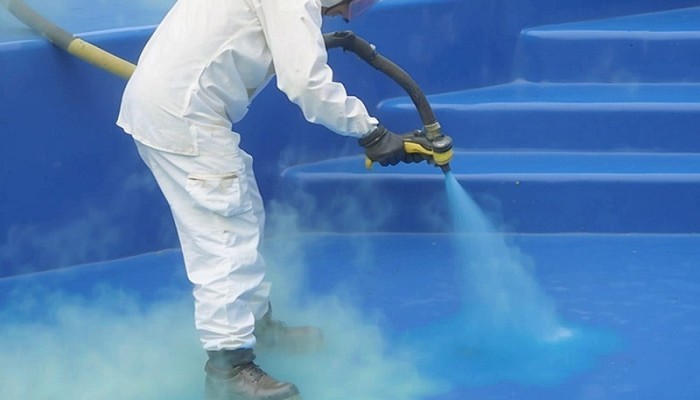
Polyurea coatings have rapidly emerged as a cornerstone of the global coatings industry, reshaping how manufacturers, contractors, and infrastructure developers think about protection, durability, and sustainability. Once considered a niche solution, polyurea coatings are now gaining mainstream adoption due to their exceptional application flexibility, performance advantages, and growing alignment with environmental regulations.
As industries worldwide transition toward advanced, high-performance coating systems, polyurea is increasingly replacing traditional alternatives. Its ability to deliver long-lasting waterproofing, corrosion resistance, and fast curing performance has positioned it as a preferred choice across construction, industrial, and automotive applications.
Sustainability and VOC-Free Performance Driving Adoption
One of the strongest factors fueling demand for polyurea coatings is rising environmental awareness. Conventional coating systems often release volatile organic compounds (VOCs) during and after application, posing serious health and environmental risks, including respiratory issues and long-term air pollution. Polyurea coatings, by contrast, are essentially free from VOC emissions and offer full recyclability, making them a compelling green alternative.
The global shift toward water-borne, two-component protective coatings has further accelerated adoption. Governments, regulatory bodies, and end-users are increasingly prioritizing eco-friendly materials that reduce environmental impact without compromising performance. For both established coating manufacturers and new market entrants, polyurea represents an opportunity to align product portfolios with sustainability goals while meeting evolving regulatory standards.
Expanding Applications Across Construction and Infrastructure
Polyurea coatings are widely used for waterproofing floors, walls, and roofs in the construction and building sector. Their seamless application and superior adhesion make them ideal for protecting concrete and steel structures from moisture ingress and environmental damage. Beyond waterproofing, polyurea is also applied as an extension coating for erosion and corrosion protection, particularly in high-stress environments.
The rapid growth of the construction and infrastructure sector—especially in emerging economies—is playing a crucial role in market expansion. Urbanization, smart city initiatives, and large-scale public infrastructure projects are driving the need for durable, long-lasting protective coatings. Both multinational players and regional manufacturers are capitalizing on this trend by expanding production capacity and developing application-specific polyurea solutions.
Industrial Growth Creating New Demand Channels
Industrial sectors such as oil and gas, chemicals, water treatment, mining, and manufacturing rely heavily on polyurea coatings for tank linings, pipeline protection, and machinery coatings. These environments demand materials that can withstand chemical exposure, abrasion, and extreme operating conditions—areas where polyurea consistently outperforms traditional coatings.
As global industrialization accelerates, particularly across Asia-Pacific, the Middle East, and parts of Africa, demand for advanced protective coatings continues to rise. Automotive manufacturing is another key growth driver, as polyurea coatings are increasingly used for anti-corrosive and anti-scratch applications, enhancing vehicle durability and lifecycle value.
Challenges Tempering Market Growth
Despite strong momentum, the polyurea coatings market faces certain limitations. The fast-curing nature of polyurea, while advantageous, requires careful surface preparation. Application on wet surfaces can result in poor adhesion, making adequate drying time essential. Additionally, the cost of application remains relatively high due to specialized spraying equipment and the need for skilled labor.
These factors can act as barriers, particularly for smaller contractors and cost-sensitive projects. However, many manufacturers—both established and emerging—are investing in training programs, equipment optimization, and hybrid formulations to address these challenges and broaden market accessibility.
Hybrid and Pure Polyurea: Segment-Level Innovation
Hybrid polyurea coatings currently represent a significant segment of the global market due to their lower cost and wider range of applications. They offer a balanced solution for projects that require performance benefits without the premium price point of pure polyurea systems.
At the same time, pure polyurea coatings are expected to witness strong growth in the coming years. Increasing concerns over VOC-related hazards and a growing preference for fully environmentally friendly coating technologies are driving adoption. Innovation in raw materials and formulation chemistry is enabling manufacturers to improve performance while reducing application complexity.
Strategic Moves by Market Participants
Industry participants are actively exploring opportunities in untapped and emerging markets while investing in manufacturing efficiency and technological advancement. Leading companies are focusing on strengthening brand visibility and expanding their service portfolios, while newer manufacturers are leveraging innovation to differentiate themselves.
Mergers, acquisitions, and customized product development have become central strategies as companies aim to extend their reach across diverse end-use industries. By aligning technological innovation with sustainability and performance demands, polyurea coating manufacturers are positioning themselves for long-term growth in a rapidly evolving global market.
Read the Complete Report for Full Insights: https://www.futuremarketinsights.com/articles/global-polyurea-coatings-market




