The global automotive industry has rarely faced disruption on the scale triggered by the COVID-19 pandemic. From raw material shortages and factory shutdowns to collapsing vehicle demand, the crisis has exposed deep vulnerabilities across the automotive supply chain. Among the hardest hit segments is the automotive variable oil pump market, where reduced OEM demand and halted production in key manufacturing hubs have slowed near-term growth prospects.
Yet, beneath this uncertainty lies a powerful transformation. For both established manufacturers and new entrants, the market is evolving from short-term disruption toward long-term innovation, sustainability, and advanced engine efficiency technologies.
Pandemic Shockwaves Across the Automotive Supply Chain
The rapid outbreak of coronavirus placed the automotive sector on the frontline of economic uncertainty. OEM shutdowns, output reductions, and weakened consumer demand have disrupted operations across regions. Countries such as China, parts of Europe, and Asia-Pacific—home to major automotive manufacturing clusters—experienced prolonged plant closures, severely impacting component suppliers, including variable oil pump manufacturers.
Automotive performance parts makers faced additional pressure as business continuity became uncertain and short-term forecasts lost relevance. Falling showroom footfalls and deferred vehicle purchases further restricted growth, creating a challenging environment for suppliers dependent on high-volume production.
However, a gradual reopening of factories in China, coupled with containment measures, offered a glimpse of recovery and reinforced the importance of resilient, diversified supply chains.
Market Foundation Remains Strong
Despite short-term turbulence, the fundamentals of the automotive variable oil pump market remain intact. In 2019, global sales surpassed US$ 1 billion, driven by the growing need to enhance fuel efficiency, reduce energy losses, and improve engine performance.
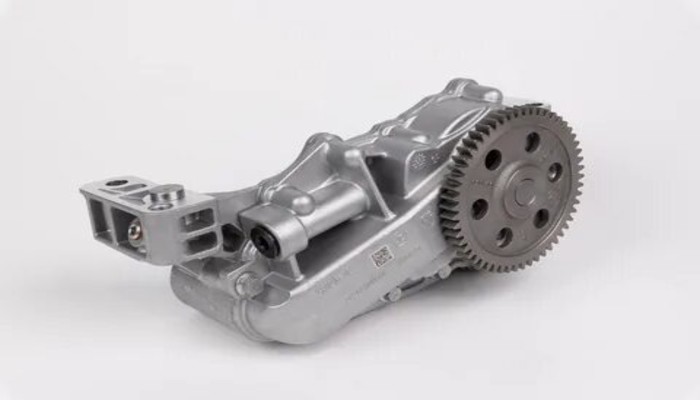
Variable oil pumps play a crucial role by delivering the precise amount of lubrication required under varying engine conditions. Compared to fixed displacement oil pumps, these systems significantly reduce parasitic losses while supporting piston cooling and engine durability—benefits that remain highly relevant as fuel efficiency standards tighten worldwide.
Shifting Focus Toward Long-Term Growth
As manufacturers move away from volatile short-term forecasts, attention is shifting toward long-term growth drivers. Stricter environmental regulations and carbon reduction targets are compelling automakers to rethink powertrain efficiency at a fundamental level.
The integration of automotive variable oil pumps and oil pressure control valves is emerging as a key strategy, capable of reducing CO₂ emissions by up to 50% compared to traditional fixed displacement systems. This makes variable oil pump technology not just an efficiency upgrade, but a compliance enabler in an increasingly regulated automotive landscape.
Innovation as a Competitive Differentiator
Technological advancement is reshaping the competitive dynamics of the market. Significant progress in variable oil control technologies is delivering improvements in fuel economy, emissions reduction, engine responsiveness, and long-term durability.
Manufacturers—both established and new—are increasingly investing in:
- Customized variable oil pump designs tailored to OEM-specific engine architectures
- Downsized oil pump rotors to reduce friction and align with lightweight vehicle strategies
- Advanced materials and precision engineering to minimize energy losses
Customization, in particular, is becoming a differentiator, allowing suppliers to move beyond commoditized components and build deeper, long-term OEM partnerships.
Opportunities for New and Emerging Manufacturers
While the pandemic introduced uncertainty, it also opened doors for agile and technology-driven manufacturers. New entrants with strong R&D capabilities are well-positioned to capitalize on emerging opportunities, especially in:
- Hybrid vehicle transmission lubrication
- Electric motor-driven oil pumps
- Next-generation engine platforms focused on efficiency and emissions compliance
As electrification and hybridization accelerate, variable oil pump applications are expanding beyond conventional internal combustion engines. Manufacturers that invest early in these evolving segments can establish a strong foothold in future mobility ecosystems.
Challenges That Continue to Shape the Market
Despite promising long-term prospects, challenges remain. Economic uncertainty triggered by COVID-19 is expected to suppress new vehicle sales and delay routine maintenance spending. This slowdown directly impacts component demand and places pressure on pricing and margins.
To counter these risks, manufacturers must remain nimble—balancing cost optimization with innovation, strengthening supply chain resilience, and aligning product portfolios with regulatory and technological shifts.
View the Full Report Here: https://www.futuremarketinsights.com/articles/covid-19-impact-a-mix-of-challenges-and-opportunities-for-stakeholders-in-automotive-variable-oil-pump-market