Digital dental imaging has become a cornerstone of modern dental practices, supporting faster diagnosis, improved patient outcomes, and streamlined workflows. Yet one question continues to surface among buyers and new manufacturers alike: why do digital dental imaging equipment cost significantly more than their visible components suggest?
The answer lies in the convergence of advanced sensor technology, medical-grade software development, and strict regulatory compliance—factors that shape pricing, profitability, and long-term competitive advantage across the industry.
The Real Cost Drivers Behind Digital Dental Imaging Systems
Unlike consumer imaging devices, digital dental imaging systems are engineered for clinical precision and regulatory safety. Pricing is dominated less by housing materials and more by sensor sophistication and processing complexity.
Modern systems increasingly rely on CMOS (complementary metal-oxide semiconductor) sensors, which have replaced traditional CCD technology due to lower power consumption, simplified manufacturing, and improved image quality. Research published by the National Center for Biotechnology Information confirms that CMOS sensors offer significant efficiency gains while enabling compact, durable designs suited for clinical environments.
However, dental imaging sensors require specialized capabilities that consumer-grade sensors do not:
- Optimized radiation sensitivity
- Extended dynamic range for diagnostic accuracy
- Resistance to repeated sterilization cycles
- Long operational lifespan under clinical stress
These requirements significantly increase fabrication complexity and cost.
Manufacturing Costs Go Beyond Hardware
Manufacturing costs in digital dental imaging are concentrated in three critical areas:
- Sensor fabrication requiring semiconductor-grade cleanroom facilities
- Software development, including image processing algorithms and AI-driven diagnostics
- Regulatory compliance, particularly FDA Center for Devices and Radiological Health (CDRH) standards
Regulatory requirements add permanent overhead regardless of production scale. Documentation, quality system regulations, and premarket clearance processes extend development timelines and create natural barriers to entry—protecting established players while challenging new entrants to plan carefully.
Software: The Hidden Margin Multiplier
While hardware may capture attention, software is where modern dental imaging systems truly differentiate. Advanced platforms now integrate:
- AI-assisted caries detection
- Automated image enhancement
- Seamless compatibility with practice management systems and EHRs
Academic research highlights the growing role of machine learning in diagnostic imaging, but these capabilities demand continuous investment in software engineering, clinical validation, and cybersecurity. For both established manufacturers and ambitious newcomers, software has become a strategic lever rather than a supporting feature.
Sensor Technologies and Competitive Advantage
The evolution from film-based systems to digital sensors has reshaped the competitive landscape. CMOS technology delivers advantages far beyond cost savings. Studies show CMOS sensors reduce system power requirements by up to 100 times compared to CCD systems, enabling:
- Smaller power supplies
- Reduced cooling needs
- Simpler overall system architectures
These efficiencies compound across manufacturing and lifecycle costs.
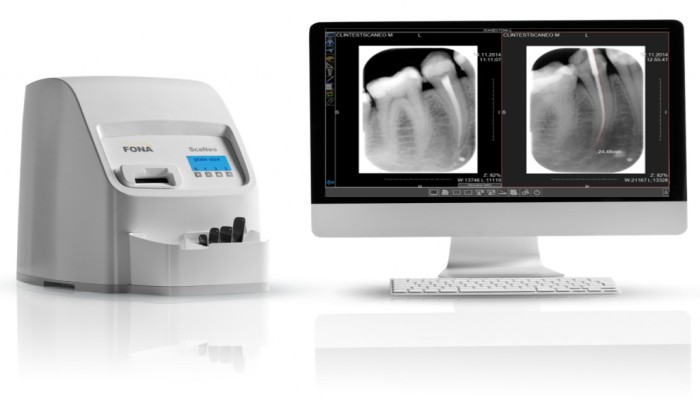
Meanwhile, photostimulable phosphor (PSP) systems offer superior dynamic range and workflow flexibility but require specialized scanners and processing infrastructure. For manufacturers, PSP technology represents a different cost structure and value proposition—often favored by high-volume practices seeking workflow optimization.
Direct digital sensors face additional challenges related to patient comfort, size constraints, and biocompatible materials. Sterilization-resistant packaging and yield-sensitive manufacturing processes further raise costs, particularly for new manufacturers scaling production.
How Established Players Maintain Pricing Power
Despite increasing technology commoditization, established manufacturers such as Carestream Dental and Planmeca continue to command premium pricing. Their advantage lies not in hardware alone, but in vertical integration and ecosystem control.
Key structural advantages include:
- Proprietary sensor and phosphor technologies
- Integrated hardware-software platforms
- Deep regulatory expertise across global markets
- Established distribution and service networks
Regulatory know-how allows faster approvals and lower compliance risk—an edge that smaller competitors often underestimate.
Opportunities for New and Expanding Manufacturers
For emerging manufacturers and technology-driven entrants, the path to growth lies in strategic specialization rather than direct hardware competition. Many are finding success by:
- Focusing on AI-driven imaging software
- Developing modular platforms compatible with existing hardware
- Targeting underserved regional markets
- Partnering with established distributors or OEMs
Supply chain disruptions and semiconductor shortages have reshaped cost structures, but they’ve also encouraged innovation in sourcing, design efficiency, and localized manufacturing.
Access the Full Market Report: https://www.futuremarketinsights.com/articles/how-carestream-dental-and-planmeca-control-digital-imaging-costs-while-cmos-technology-disrupts-the-sensor-manufacturing-stack