

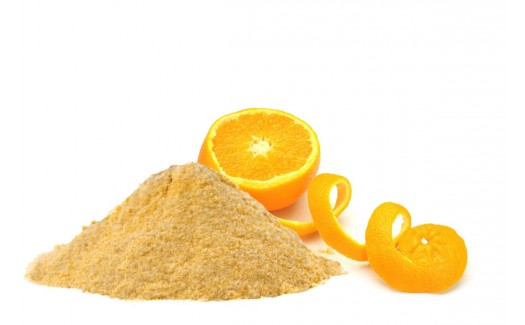
The Global Citrus Powder Market is estimated to be valued at USD 8.7 billion in 2024 and is projected to reach USD 15.0 billion by 2034, expanding at a steady CAGR of 7.3% over the forecast period. This growth reflects the ingredient’s rising importance across dietary supplements, functional beverages, plant-based foods, and nutraceutical formulations, where natural functionality and nutritional density are increasingly prioritized.
Citrus powder—derived primarily from oranges, lemons, and other citrus fruits—has evolved from a flavoring agent into a strategic health ingredient. Rich in vitamin C, bioflavonoids, antioxidants, and natural acids, it supports immune health, skin wellness, and digestion, aligning seamlessly with the global shift toward preventive healthcare and holistic nutrition.
Get Exclusive Access To Data Tables, Market Sizing Dashboards, And Analyst Insights. Request Sample Report!
Dietary Supplements and Immune Health Drive Core Demand
In the rapidly expanding dietary supplements sector, citrus powder has emerged as a crucial multifunctional ingredient. Post-COVID-19, immune support supplements witnessed a sustained surge in demand, and citrus powder’s natural vitamin C profile has made it a preferred choice for manufacturers seeking clean-label alternatives to synthetic ascorbic acid.
Its excellent compatibility across tablets, capsules, gummies, powders, and effervescent formulations has further strengthened adoption. The tangy taste and high solubility make citrus powder especially popular in powdered drink mixes and effervescent supplements, catering to on-the-go consumers seeking convenience without compromising health benefits.
Beyond immunity, citrus powder is increasingly incorporated into prenatal supplements, multivitamins, skin health blends, and digestive formulations, leveraging its antioxidant content and natural vitamin matrix. As personalization gains traction in the supplements industry, the versatility of citrus powder enables tailored formulations targeting specific health outcomes.
Market Snapshot (2024–2034)
- Market size (2024): USD 8.7 billion
- Forecast value (2034): USD 15.0 billion
- CAGR (2024–2034): 7.3%
Semi-Annual Growth Trends Indicate Stable Momentum
A semi-annual analysis highlights resilient growth dynamics. From H1 2023 to H2 2033, the market recorded CAGRs of 7.3% and 7.0%, respectively. Moving into the 2024–2034 cycle, growth remains consistent, with 6.5% CAGR in H1 and a rebound to 7.1% in H2, signaling stable demand recovery and sustained revenue realization across end-use sectors.
Functional Beverages and Sports Nutrition Accelerate Adoption
The expansion of functional beverages and sports drinks is a major growth catalyst. Citrus powder enhances both nutritional value and flavor in energy drinks, fortified waters, isotonic beverages, and recovery formulations. Fitness-focused consumers increasingly prefer beverages that support hydration, immunity, and energy restoration—areas where citrus powder delivers measurable value.
Technological advancements in spray drying and freeze drying have significantly improved solubility, shelf life, and nutrient retention, making citrus powder highly compatible with ready-to-drink and powdered beverage applications. Its clean-label positioning also aligns with consumer avoidance of artificial flavors and additives.
Plant-Based Innovation Strengthens Market Relevance
As plant-based food and beverage markets expand globally, citrus powder has gained prominence as a natural flavor enhancer and functional ingredient. It is widely used in plant-based yogurts, protein shakes, dairy alternatives, and vegan desserts, where it improves taste while contributing antioxidants and vitamin C.
In plant-based meat alternatives, citrus powder helps mask off-notes from proteins such as pea or soy, enhances freshness, and improves sensory appeal. Its natural acidity also supports marinades and coatings, reinforcing its role as a versatile ingredient in plant-forward innovation.
Historical Growth and Forward Outlook
From 2019 to 2023, global citrus powder sales grew at a CAGR of 5.8%, driven by rising immunity awareness and post-pandemic health priorities. Looking ahead, the forecast 7.3% CAGR (2024–2034) reflects stronger penetration into functional foods, beverages, supplements, and vegan products, supported by clean-label trends and sustainability initiatives utilizing citrus by-products.
Regional Growth Hotspots
Country-wise analysis highlights differentiated growth patterns:
- USA: CAGR of 4.6%, supported by functional foods, plant-based innovation, and advanced processing technologies.
- China: CAGR of 5.4%, driven by strong citrus agriculture, sustainability efforts, and rising health awareness rooted in traditional wellness practices.
- India: CAGR of 10.2%, fueled by ayurvedic preferences, food processing expansion, and abundant citrus availability.
Category-Wise Insights Shape Market Structure
- Conventional citrus powder dominates with an 86.4% value share (2024), benefiting from scalability, cost efficiency, and consistent quality.
- Orange-based powders lead the source segment, accounting for 38.1% share, supported by global availability, high vitamin C content, and processing versatility.
- Spray drying remains the preferred method, holding 40.2% share, due to its efficiency, scalability, and ability to preserve bioactive compounds.
Competitive Landscape and Strategic Focus
The citrus powder market is moderately concentrated, with Tier-1 players investing heavily in R&D, processing innovation, and global partnerships. Tier-2 and Tier-3 companies strengthen regional supply chains and niche offerings, often leveraging local citrus sourcing. Competitive strategies increasingly emphasize sustainable production, advanced drying technologies, and transparent supply chains.
Leading Brands Include:
Givaudan SA, Allen Flavors Inc., Paradiesfrucht Gmbh, Van Drunen Farms, Cham Foods, LemonConcentrate S.L., among others.
As demand for natural, effective, and multifunctional ingredients continues to rise, citrus powder is positioned to remain a cornerstone ingredient across nutrition-focused industries worldwide.




