The global demand for cellulose diacetate film is entering a new era of expansion as legacy manufacturers and fresh entrants alike ramp up investment, adopt advanced technologies, and pursue strategic growth in dynamic regions like the Middle East and Africa. The latest industry analysis highlights strong growth prospects through the next decade, fueled by rising adoption across diverse applications including packaging, industrial uses, and specialty materials.
Cellulose diacetate film, a biodegradable and high-performance material, is increasingly preferred by manufacturers for its clarity, strength, and versatile properties. These attributes have positioned it at the forefront of sustainable material innovations, aligning with global trends towards greener supply chains and eco-friendly solutions.
Market Expansion and Growth Projections
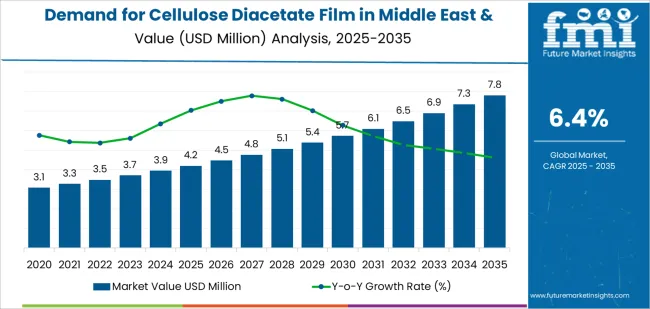
The industry is projected to nearly double its market size by the mid-2030s, reflecting steady expansion driven by both demand and technological advancements. This growth underscores the broader industrial shift towards sustainable, high-value materials in packaging and specialty segments.
What’s particularly notable in this evolving landscape is the balanced participation of well-established brands and innovative newcomers. Legacy manufacturers with deep expertise in polymer science are leveraging decades of production excellence to scale operations, improve product quality, and expand into new geographies. Simultaneously, emerging companies are entering the market with fresh perspectives, agile business models, and targeted product innovations that challenge traditional approaches and accelerate overall industry growth.
Established Leaders Strengthening Market Position
Seasoned industry players continue to anchor the market’s growth trajectory. With established manufacturing footprints and extensive distribution networks, these players are doubling down on quality, reliability, and customer service. Their investments in enhanced processing technologies and material science R&D are enabling production of superior film grades that meet tighter performance and environmental standards.
Long-standing manufacturers are also exploring strategic collaborations and capacity expansions to better serve growing demand in emerging markets. By optimizing supply chains and leveraging advanced automation systems, these leaders are able to enhance throughput, reduce lead times, and maintain cost-competitive pricing — all while pushing the envelope on sustainable manufacturing practices.
New Entrants Infuse Innovation and Agility
At the same time, a wave of new manufacturers and technology-focused firms are entering the cellulose diacetate film sector, bringing with them disruptive ideas and growth-oriented energy. These new participants often differentiate through specialized product variations tailored for niche applications, such as high-clarity films for premium packaging or ultra-thin grades for industrial lamination.
Many emerging players are harnessing digital technologies, data analytics, and modern production systems to fast-track development cycles and respond rapidly to customer needs. Their agility in adopting smart manufacturing techniques — including predictive maintenance, real-time quality monitoring, and energy-efficient process control — allows them to compete effectively with traditional rivals and carve out meaningful market share.
To access the complete data tables and in-depth insights, request a sample report here
Technology Trends Shaping the Future
Innovation remains a critical theme in the cellulose diacetate film market. Across the value chain, companies are leveraging cutting-edge tools and processes to enhance both product performance and environmental sustainability:
-
Advanced Material Engineering: Manufacturers are experimenting with novel additive packages and bio-based inputs that improve film strength, clarity, and biodegradability.
-
Smart Production Systems: Adoption of automated process controls and digital twins is enabling greater operational precision and cost efficiencies.
-
Sustainable Manufacturing: In an era of heightened environmental awareness, firms are optimizing energy usage, reducing waste, and integrating renewable resources into production.
Such advancements not only improve the technical attributes of the film but also enhance the overall competitiveness of manufacturers in global markets.
Responding to Regional Demand Dynamics
Regions like the Middle East and Africa are emerging as important growth corridors for cellulose diacetate film manufacturers. Fueled by expanding industrial activity, rising packaging needs, and broader economic development, these markets are attracting attention from both established international firms and nimble regional producers.
Manufacturers are strategically aligning their commercial efforts to meet localized demands, from establishing distribution hubs to forming partnerships with local converters and brand owners. This collaborative approach not only strengthens market presence but also ensures products are tailored to regional performance requirements and regulatory environments.
Outlook and Future Opportunities
As the cellulose diacetate film market continues its upward trajectory, stakeholders are poised to benefit from a blend of tradition and innovation. Established giants will bring stability and scale, while new entrants infuse creativity and operational dynamism. Together, these forces will drive deeper market penetration, diversified applications, and broader industry transformation.
With sustainability at the core of modern manufacturing, cellulose diacetate film is uniquely positioned to play a leading role in the transition towards environmentally responsible materials. The industry’s evolution reflects not only a commitment to growth but also a collective investment in a more sustainable industrial future.