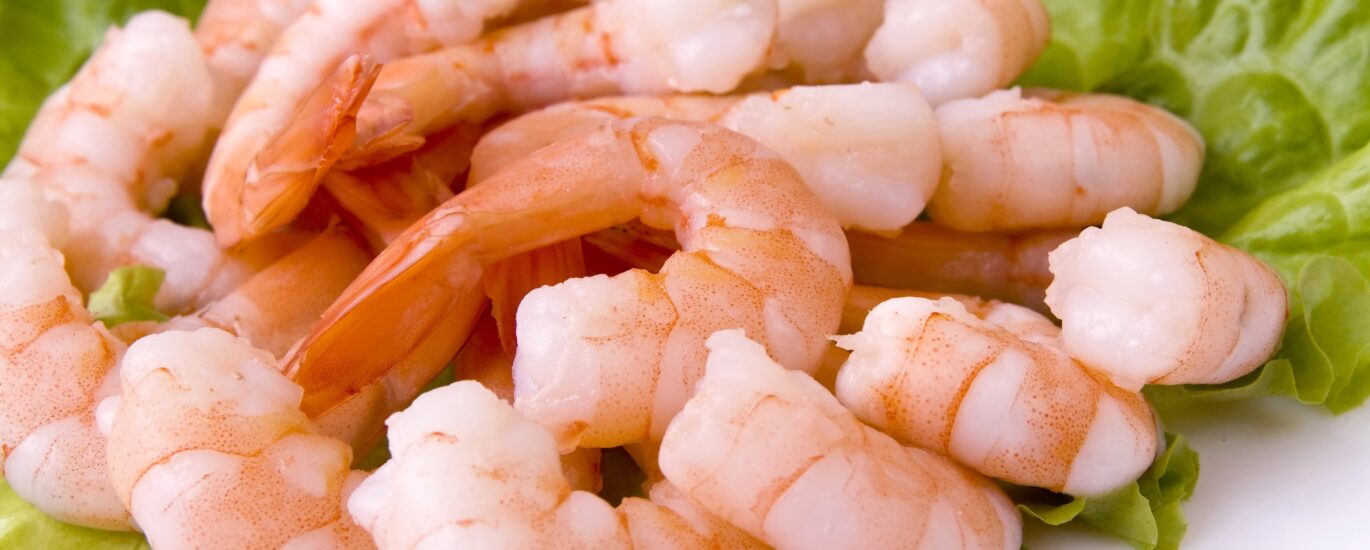
The global shrimp market is entering a decisive growth phase, projected to expand from USD 70.09 billion in 2025 to approximately USD 151.32 billion by 2035, registering a robust compound annual growth rate (CAGR) of 8.0%. This acceleration reflects rising global seafood consumption, rapid modernization of aquaculture practices, and increasing demand for frozen, canned, and value-added shrimp products across retail, foodservice, and export channels.
Shrimp continues to gain traction as a preferred protein source among health-conscious consumers. Naturally low in fat and calories, yet rich in high-quality protein, omega-3 fatty acids, selenium, and essential vitamins, shrimp aligns well with evolving dietary patterns focused on nutrition, convenience, and taste. This shift is visible across both developed and emerging markets, where seafood is increasingly positioned as a sustainable alternative to red meat.
PR To Explore Detailed Market Data, Segment-Wise Forecasts, and Competitive Insights, Request Sample Report!
Technological progress is reshaping the shrimp industry’s supply chain. Advanced cold-chain logistics, automated processing lines, and improved freezing and canning technologies have significantly extended shelf life while preserving taste and nutritional quality. These innovations have enabled exporters to access distant markets with minimal spoilage, reinforcing shrimp’s role as one of the most traded seafood commodities globally.
Sustainability and Traceability Reshape Market Dynamics
Environmental accountability is becoming a core differentiator in the shrimp market. Consumers and regulators alike are demanding transparency around sourcing, feed quality, and antibiotic use. As a result, the industry is steadily transitioning from conventional wild-catch dependence toward farmed, traceable, and environmentally responsible shrimp production.
Organic and antibiotic-free shrimp is gaining notable momentum, supported by certifications, eco-labels, and digital traceability tools. Blockchain pilots, IoT-enabled cold storage monitoring, and barcoded packaging systems are increasingly being adopted to ensure compliance and build consumer trust in key export markets such as the U.S., EU, and Japan.
Market Snapshot: Key Data Points
- Market Value (2025): USD 70.09 billion
- Forecast Value (2035): USD 151.32 billion
- Forecast CAGR (2025–2035): 8.0%
- Fastest-Growing Species: Gulf Shrimp (7.5% CAGR)
- Top Product Form: Canned Shrimp (80% value share in 2025)
- Fastest-Growing Country: India (10.2% CAGR)
Species Insights: Gulf Shrimp Leads on Premium Appeal
Among species, Gulf shrimp are expected to retain a leadership position, expanding at a 7.5% CAGR through 2035. Their firm texture, naturally sweet flavor, and reputation for sustainable harvesting in the Gulf of Mexico have made them a premium choice in foodservice and high-end retail. Strong traceability standards and endorsements from chefs and sustainability advocates continue to elevate their global appeal.
Farmed whiteleg shrimp and giant tiger shrimp also maintain strong market presence due to scalability and cost efficiency, but Gulf shrimp stand apart in terms of quality perception and consumer loyalty.
Product Form Trends: Convenience Drives Canned Shrimp Dominance
Canned shrimp holds the largest share of the global market, accounting for around 80% of total value in 2025. Long shelf life, ease of storage, and compatibility with ready-to-eat and ready-to-cook meals have made canned shrimp a staple across households, institutional kitchens, and emergency food supplies.
Advancements in canning technology have narrowed the quality gap between canned and fresh shrimp, further strengthening demand. Frozen, breaded, and peeled formats are also expanding steadily, particularly in urban markets where convenience is a priority.
Regional Outlook: Asia Pacific Anchors Growth, India Accelerates
Asia Pacific remains the dominant regional hub, supported by extensive aquaculture infrastructure, skilled labor, and high domestic consumption. India leads global growth with a projected CAGR of 10.2%, driven by rising exports, government support for aquaculture modernization, and strong demand from the U.S. and Europe.
In mature markets, the United States is projected to grow at 6.5% CAGR, underpinned by strong foodservice demand and consumer preference for versatile, healthy seafood. Germany follows at 5.3% CAGR, supported by retail penetration and sustainability-focused purchasing behavior.
Trade, Infrastructure, and Automation Strengthen Supply Chains
Cross-border shrimp trade remains highly active. Ecuador and India dominate exports of farmed and processed shrimp, while Thailand and Vietnam play key roles in frozen shrimp distribution and packaging. Automation, AI-driven sorting, and recirculating aquaculture systems (RAS) are helping producers improve yields, manage disease risk, and stabilize supply.
Competitive Landscape and Industry Outlook
Leading players such as Charoen Pokphand Food PCL, Thai Union Frozen Products PLC, Marine Harvest ASA, and Nippon Suisan Kaisha, Ltd. continue to invest in sustainable farming, advanced feeds, and digital traceability. Emerging companies are targeting niche segments with organic certification and premium positioning.
As the shrimp market becomes increasingly consumer-centric and sustainability-driven, success will hinge on production efficiency, transparency, and innovation. Stakeholders aligned with these priorities are well positioned to capitalize on the market’s long-term growth trajectory through 2035.