The global toy storage market is entering a transformative decade, driven by rising awareness of organized living, child safety, and sustainable home solutions. From compact urban apartments to schools, daycare centers, and hospitality spaces, the demand for smart, space-efficient, and visually appealing toy storage solutions is steadily accelerating. Between 2025 and 2035, the market is expected to expand at a healthy pace, offering significant opportunities for both established manufacturers and emerging innovators focused on new technologies and sustainable materials.
Market Overview and Growth Highlights
- In 2025, the global toy storage market is valued at USD 10,264.74 million.
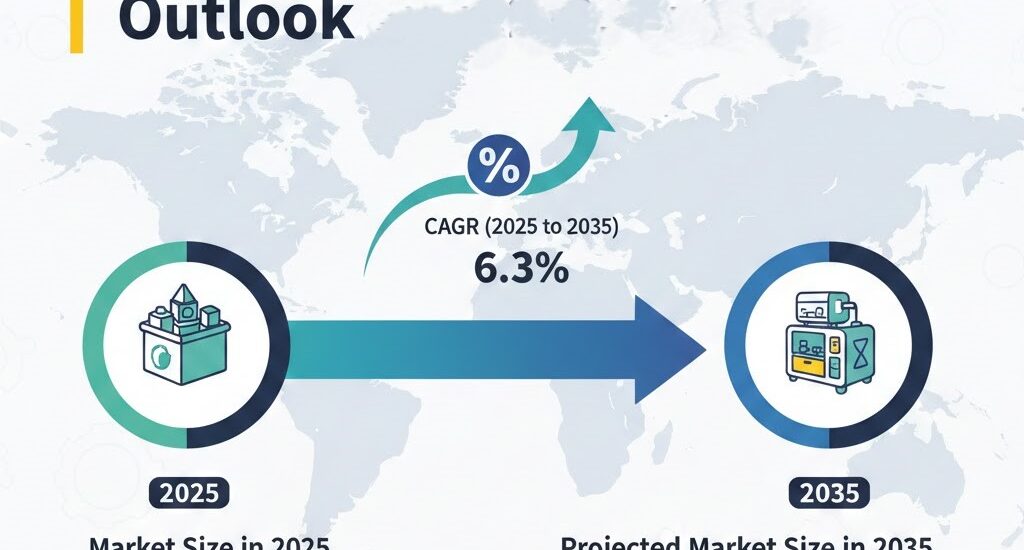
- By 2035, the market is projected to reach USD 18,909.52 million, growing at a CAGR of 6.3%.
- Growth is fueled by increasing urbanization, nuclear family structures, shrinking living spaces, and heightened concern for clutter-free, child-safe environments.
Parents and caregivers are prioritizing non-toxic, durable, and ergonomic storage units, while schools and daycare centers are investing in permanent, organized storage systems that enhance safety and learning environments.
Subscribe for Year-Round Insights → Stay ahead with quarterly and annual data updates – https://www.futuremarketinsights.com/reports/sample/rep-gb-12728
Key Market Drivers Shaping the Industry
- Rising Demand for Organized Living Spaces: Smaller homes and apartments are driving interest in modular, stackable, and multifunctional toy storage.
- Sustainability and Green Materials: Use of bamboo, recycled plastics, responsibly sourced wood, and fabric-based storage is gaining momentum.
- Design and Safety Innovations: Rounded edges, child-safe locks, lightweight materials, and easy-access compartments are now standard expectations.
- Growth of E-commerce: Online platforms enable consumers to explore diverse designs, compare prices, and access customized storage solutions globally.
- Smart and Themed Storage Units: Digital labeling, foldable designs, and collaborations between toy brands and storage manufacturers are attracting tech-savvy parents and children alike.
Regional Market Trends
North America
- Leads the global toy storage market due to strong focus on home organization and child safety.
- High disposable income and preference for modular, themed, and sustainable storage solutions.
- E-commerce platforms play a critical role in boosting market penetration.
Europe
- Countries like Germany, the UK, and France are at the forefront of eco-friendly and ergonomic toy storage.
- Government regulations promoting sustainable furniture and recyclable materials support innovation.
- Minimalist home décor trends drive demand for stylish, functional organizers.
Asia-Pacific
- Fastest-growing region due to rapid urbanization and expanding middle-class population.
- High demand for affordable, space-saving storage in China, India, Japan, and South Korea.
- Growth of organized retail and online sales channels enhances accessibility and choice.
Challenges Impacting Market Growth
- Rising Production Costs: Fluctuating prices of raw materials such as plastic, wood, and fabric, along with labor and logistics costs.
- Supply Chain Disruptions: Transportation bottlenecks and trade restrictions affecting timely product availability.
- Environmental Pressures: Increasing scrutiny over non-recyclable plastics and waste generation.
Manufacturers are responding by optimizing supply chains, exploring alternative materials, and adopting circular economy practices.
Opportunities for Manufacturers and New Entrants
- Innovative Space-Saving Designs: Modular, multifunctional, and expandable storage systems that grow with children.
- Expansion of Direct-to-Consumer Sales: Strong opportunities through online platforms, influencer marketing, and personalized product offerings.
- Smart Storage Integration: AI-driven customization, inventory tracking, and interactive storage solutions represent the future of the market.
Market Evolution: 2020–2024 vs. 2025–2035
- 2020–2024: Growth driven by home organization trends post-pandemic, modular designs, and rising online sales.
- 2025–2035: Focus shifts to AI-enabled storage, eco-friendly manufacturing, smart tracking systems, and localized sustainable sourcing.
Eco-conscious startups and digitally transformed brands are expected to gain competitive advantage over the next decade.
Country-Level Growth Outlook (CAGR 2025–2035)
- United States: 6.5% – High spending on children, demand for multifunctional and sustainable storage.
- United Kingdom: 6.2% – Growing preference for minimalistic and DIY-friendly storage furniture.
- European Union: 6.4% – Strong focus on child-friendly, sustainable, and modular storage solutions.
- Japan: 6.6% – High demand for foldable, compact, and aesthetically minimal storage units.
- South Korea: 6.7% – Influence of compact living and stylish K-style interiors boosting demand.
Key Segments of the Toy Storage Market
By Installation
- Portable
- Non-portable
By Type
- Shelf-based bins
- Toy chests (wood, plastic, fabric)
- Baskets
- Toy boxes
- Detachable compartments
By Material
- Wood
- Plastic
- Fabric
By Price Range
- Premium
- Mass
By Sales Channel
- Direct sales
- Wholesalers and distributors
- Specialty stores
- Online retailers
- Department and multi-brand stores
By Region
- North America
- Latin America
- Western & Eastern Europe
- East Asia
- South Asia Pacific
- Middle East & Africa
Competitive Landscape and Manufacturer Insights
The toy storage market features a mix of global leaders and emerging players investing in design innovation, sustainability, and smart technology.
- IKEA (18–22%): Dominates with modular, minimalist, and eco-friendly storage solutions, investing heavily in bamboo and recycled plastics.
- Delta Children (14–18%): Known for themed, child-safe storage units using non-toxic materials.
- Humble Crew (10–14%): Budget-friendly, colorful organizers focused on accessibility and ease of use.
- Step2 (8–12%): Specializes in durable, weather-resistant indoor and outdoor storage solutions.
- KidKraft (6–10%): Premium wooden storage solutions with integrated play-and-store designs.
Other notable players such as Melissa & Doug, Little Tikes, 3 Sprouts, Wayfair Basics, and Badger Basket are contributing through niche designs, eco-friendly materials, and affordable options.
Conclusion
The toy storage market from 2025 to 2035 presents strong growth potential as consumers increasingly value organization, safety, sustainability, and smart living. Established brands and new manufacturers alike are leveraging innovative materials, digital technologies, and omnichannel strategies to expand globally. With eco-conscious designs, AI-driven customization, and space-efficient solutions shaping the future, the toy storage industry is well-positioned for long-term, sustainable expansion.
Why FMI: https://www.futuremarketinsights.com/why-fmi
About Future Market Insights (FMI)
Future Market Insights, Inc. (FMI) is an ESOMAR-certified, ISO 9001:2015 market research and consulting organization, trusted by Fortune 500 clients and global enterprises. With operations in the U.S., UK, India, and Dubai, FMI provides data-backed insights and strategic intelligence across 30+ industries and 1200 markets worldwide.
Contact Us:
Future Market Insights Inc.
Christiana Corporate, 200 Continental Drive,
Suite 401, Newark, Delaware – 19713, USA
T: +1-347-918-3531
For Sales Enquiries: sales@futuremarketinsights.com
Website: https://www.futuremarketinsights.com
LinkedIn| Twitter| Blogs | YouTube