

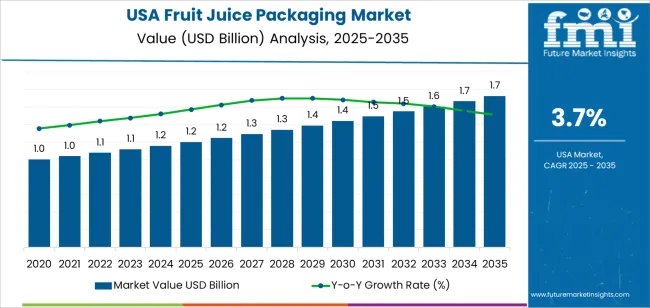
The United States fruit juice packaging market is entering a transformative phase, poised for sustainable growth as consumer demand shifts toward premium, convenient, and eco-friendly beverages. With current market value projected in the billions and strong growth forecasts through the next decade, this sector presents significant opportunities for both established companies and innovative newcomers seeking to expand their footprint in one of the beverage industry’s most vibrant segments.
Driven by evolving consumer preferences, technological advancements, and a heightened focus on environmental responsibility, the fruit juice packaging landscape is rapidly evolving. Manufacturers and packaging solution providers are responding with new strategies, collaborative ventures, and cutting-edge technologies that promise to reshape how fruit juice products are presented, protected, and perceived by end consumers.
Market Growth Fueled by Consumer Trends and Innovation
The demand for fruit juice packaging in the United States is forecast to grow significantly in the coming years. This growth is attributed to several converging factors, including increasing health awareness among consumers, the rising preference for ready-to-drink and on-the-go formats, and greater retail and online availability of premium juice offerings. Health-focused lifestyles continue to boost fruit juice consumption, making packaging a critical driver in protecting freshness, extending shelf life, and enhancing convenience.
As manufacturers pivot toward consumer expectations, packaging innovations such as lightweight containers, resealable openings, and multifunctional formats are gaining momentum. Vendors are investing in innovations that go beyond basic containment — integrating functionality such as barrier technologies that preserve nutritional integrity, and designs that enhance portability for active lifestyles.
These developments not only elevate product experience but also align with consumer demands for resource efficiency and convenience, as modern lifestyles increasingly emphasize both environmental stewardship and ease of use.
Sustainability Takes Center Stage
Environmental consciousness is reshaping the packaging sector in profound ways. With greater consumer scrutiny on plastic waste and a mounting preference for recyclable and biodegradable materials, packaging manufacturers are stepping up efforts to integrate sustainable practices throughout production and material sourcing.
New packaging materials — including high-performance recycled plastics, bio-based polymers, recyclable cartons, and easily separable packaging composites — are being adopted at scale. This shift reflects a broad industry commitment to sustainability that appeals to both environmentally conscious brands and their customers. Notably, companies are exploring eco-friendly alternatives that meet performance standards and maintain the integrity of fruit juice products throughout distribution and storage.
Investments in sustainability also foster stronger corporate reputations and align with regulatory and retailer pressures to reduce environmental impact. As a result, packaging suppliers that deliver recyclable and renewable solutions are gaining competitive advantage while helping the industry reduce its carbon footprint.
Innovation Driving Competitive Advantage
Technological advancements are central to the industry’s forward trajectory. Manufacturers are leveraging automation, digital printing, and smart packaging technologies to improve efficiency, customization, and consumer engagement. Digital enhancements like QR codes, traceability features, and interactive label experiences are helping brands connect with consumers on new levels — offering transparency, product storytelling, and added convenience.
Moreover, innovations in barrier technologies and material science are enabling extended shelf life without compromising juice quality. These technologies benefit both manufacturers and retailers by reducing waste, improving logistics, and enhancing consumer satisfaction.
Emerging technologies such as aseptic packaging, advanced spout systems, and adaptive materials are attracting investment from both legacy market leaders and agile startups. Together, these players are redefining packaging as a strategic asset that supports product differentiation and brand loyalty.
Established Leaders and New Market Entrants Collaborating for Growth
The competitive landscape features a blend of industry stalwarts and innovative newcomers, each contributing to a dynamic ecosystem that is expanding capacity, diversifying offerings, and pioneering new technologies.
Established packaging manufacturers are leveraging their broad production capabilities and global networks to scale solutions efficiently. Their portfolios encompass a wide range of materials and formats, from traditional bottles and cartons to advanced paper-based packaging and lightweight sustainable containers. This breadth enables them to serve large beverage brands with consistent quality and dependable supply.
At the same time, new entrants and niche innovators are injecting fresh perspectives into the sector. By focusing on specialty materials, smart packaging features, and tailored services for small and medium beverage producers, these emerging companies are gaining traction and encouraging greater competition.
New collaborations between long-standing packaging firms and innovative startups are creating a fertile environment for shared expertise. These partnerships expedite the development of next-generation packaging formats while also opening doors to previously underserved segments of the market. Whether it’s eco-friendly designs or digital engagement platforms, joint ventures are pushing the boundaries of what fruit juice packaging can achieve.
Looking Ahead
Industry forecasts indicate steady growth in the United States fruit juice packaging market over the next decade, driven by continuous innovation, shifting consumer expectations, and a collective move toward sustainable practices. With significant opportunities on the horizon, both established leaders and new challengers are poised to capitalize on the momentum, developing solutions that are consumer-centric, environmentally conscious, and technologically advanced.
This evolution underscores the critical role packaging plays not just in protection and preservation, but as a differentiator in a crowded marketplace — one that helps brands tell their story, enhance consumer experience, and lead the industry into a more sustainable future.




