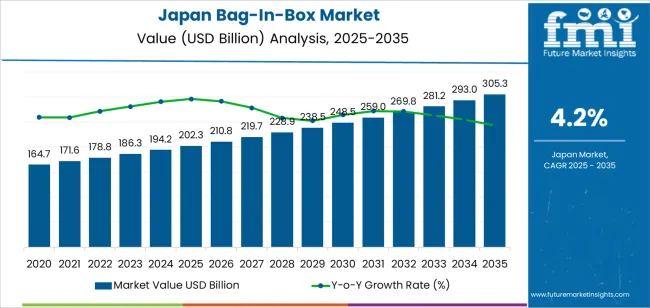
The Japan Bag-in-Box packaging market is poised for robust growth in the coming decade, driven by rising demand from beverages, food processing, industrial liquids, and evolving sustainability priorities. With market value projected to grow significantly by 2035, both established global leaders and innovative newcomers are gearing up to expand their footprint in this dynamic segment, applying cutting-edge technologies and sustainable solutions that meet the changing needs of producers and consumers alike.
Bag-in-Box packaging — a convenient format combining a flexible interior bag with a protective outer box — has emerged as a preferred choice for a broad spectrum of liquid products. Its lightweight construction, efficient storage capability, and eco-friendly profile appeal to producers looking to reduce costs and environmental impact while ensuring product quality and convenience. As Japan’s market continues to evolve, manufacturers are responding with new innovations, strategic expansions, and partnerships that broaden application use cases across industries.
Market Growth Driven by Sustainability and Efficiency
The shift toward sustainable packaging practices remains a central theme in Japan’s evolving consumer and manufacturing landscape. Companies embracing Bag-in-Box solutions are capitalizing on their reduced material footprint compared to traditional rigid packaging like glass or thick plastics. Not only is Bag-in-Box more recyclable, but its reduced transport weight and space-saving design also lower carbon emissions over the supply chain, meeting growing corporate and governmental sustainability goals.
This focus on eco-efficiency resonates strongly with Japanese consumers, who increasingly prioritize environmental considerations in their purchasing decisions. As urban lifestyles and e-commerce channels continue to expand, demand for lightweight, convenient, and sustainable packaging formats is expected to accelerate further.
Established Leaders Strengthening Position
A cadre of established packaging manufacturers is at the forefront of Japan’s Bag-in-Box market. Long-time global players such as Smurfit Kappa, DS Smith, Liquibox, Scholle IPN, and Mondi have been instrumental in expanding product availability and improving quality standards in the region. These organizations bring decades of expertise in materials science, fitment technology, and supply chain integration — helping brands large and small transition toward Bag-in-Box solutions.
These industry leaders are not resting on traditional approaches. Many are investing in enhanced barrier materials that extend shelf life for delicate beverages and liquid foods, and they are refining dispenser systems to improve pourability and reduce waste. Their emphasis on performance, reliability, and sustainability gives producers confidence when shifting away from legacy packaging formats.
Emerging Manufacturers Fuel Innovation and Customization
Alongside established giants, a new wave of companies — both regional specialists and international newcomers — are entering the Japan Bag-in-Box market, eager to capture emerging opportunities. These innovators focus on specialized segments such as premium beverages, aseptic packaging, and bespoke solutions tailored to niche requirements.
Emerging manufacturers are prioritizing technology integration and customer-centric design. For instance, advanced dispensing mechanisms such as anti-glug systems and precision valves are gaining traction, especially among brands seeking to provide superior consumer experiences. Smart features — like tamper-evident seals, QR codes for traceability, and pack designs that enhance retail visibility — are being introduced to differentiate offerings and support brand storytelling.
Customized packaging solutions are also drawing interest from producers of high-value products like specialty wines, health beverages, and artisanal sauces. These offerings blend visual appeal with functional excellence, helping brands stand out in a crowded marketplace while meeting the logistical demands of modern supply chains.
Cross-Industry Adoption Expands Market Scope
While beverages remain a dominant end-use segment, Bag-in-Box applications are broadening into food preparation ingredients, industrial lubricants, cleaning solutions, and agricultural chemicals. Its versatility makes it an attractive option for manufacturers who require safe, space-efficient handling of bulk liquids in both consumer and industrial contexts.
Foodservice and institutional buyers are increasingly adopting Bag-in-Box formats for high-volume use cases — such as culinary sauces and beverage syrups — where ease of storage and quick dispensing are vital. Similarly, industrial producers are replacing cumbersome drums and barrels with Bag-in-Box formats for chemicals and oils, benefiting from simplified logistics and reduced packaging waste.
Collaborative Expansion and Future Outlook
As the market trajectory points upward, collaboration across the value chain is amplifying. Manufacturers, material scientists, logistics partners, and brand owners are aligning to accelerate market penetration. Joint ventures, technology sharing, and regional partnerships are helping companies navigate Japan’s unique regulatory and consumer landscape.
Looking ahead, innovations in material engineering are expected to yield even lighter, stronger, and more recyclable bags, while automated filling and aseptic processing technologies promise higher throughput and enhanced product safety. Combined with shifting consumer preferences toward sustainability and convenience, these developments position Bag-in-Box packaging as a key growth area in Japan’s broader packaging ecosystem.
About the Japan Bag-in-Box Market
The Bag-in-Box market in Japan is characterized by steady growth across beverage, food, industrial, and other liquid applications. Flexible bags dominate the format owing to their adaptability and cost advantages, and regional adoption varies with economic and demographic factors. As global and regional players intensify their efforts in innovation and market expansion, Japan is set to become an increasingly significant hub for Bag-in-Box technologies and sustainable packaging solutions.