

As global demand for sustainable, lightweight and versatile packaging surges, the flexible-packaging paper market is entering a new phase of growth — one marked not just by scale, but by technology, responsibility, and fresh ambition. With projected global value nearing USD 59.7 billion by 2035, the market offers a wide-open horizon for both long-standing leaders and dynamic newcomers.
At the heart of this transformation are major industry players such as Mondi Group, International Paper and Stora Enso. These are companies that have built their reputations on consistent output, global distribution, and a commitment to higher-performance paper solutions. Their strengths lie in scaling production, ensuring reliability, and shaping global supply chains.
Mondi Group, for instance, continues to lead through eco-friendly innovations and by adding a broader variety of recyclable and bio-based packaging papers — meeting growing demand from eco-conscious brands. International Paper remains a go-to name for durable and versatile paper packaging, leveraging its reliable supply chain and emphasis on sustainability. Meanwhile, Stora Enso has carved out a niche for renewable and recyclable material solutions, tailoring products to meet industry-specific needs.
But while these titans steer the industry forward, something more subtle — and more transformative — is quietly happening. New and smaller manufacturers, often regional or more narrowly focused, are seizing on growing global appetite for sustainable packaging, more personalized product requirements, and shifting consumer values. These companies, though less visible than the global giants, are increasingly competitive thanks to agility, willingness to experiment, and readiness to adopt emerging technologies.
These emerging players are embracing advanced solutions such as bio-based coatings, high-speed production lines and sophisticated printing techniques — once the domain of large, well-oiled supply chains. They are stepping into opportunities where customization, regional preferences, fast turnaround, and cost-effective sustainability matter. For many, these are not just business moves — they are defining moments.
The drivers behind this shift are manifold. As consumer goods, food & beverage, personal care and industrial manufacturers worldwide pivot away from traditional plastics, demand for recyclable, paper-based, flexible packaging continues to climb. Flexible packaging paper is no longer just a functional choice — it’s becoming a mark of brand responsibility, environmental awareness, and forward-thinking.
This trend has created real opportunity for smaller manufacturers and newer entrants. Freed from the legacy burdens of massive global infrastructure, these firms can focus on niche segments: region-specific demand, environmentally conscious consumers, or shorter supply chains. Many are betting that agility, innovation and sustainability will outpace sheer volume in defining success.
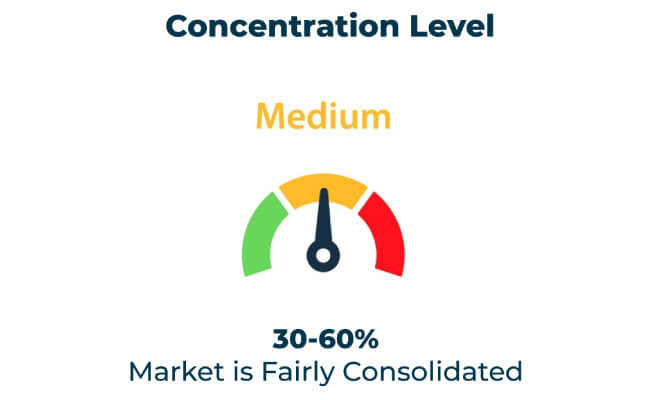
Observing the broader market, the competitive landscape is clearly shifting. Estimates suggest that while the top tier players maintain a visible hold on the market, a growing number of (smaller but ambitious) firms make up a rising share of global capacity and influence. As consumer sentiment favors eco-friendly packaging and regulatory pressure increases to curb plastic waste, the stage is set for an industry-wide pivot.
Indeed, flexible-packaging paper is no longer a commodity — it is evolving into a space where customization, sustainability, and premium barrier and printing technologies matter. As demand widens geographically, especially in emerging economies, manufacturers with a vision beyond volume will likely lead the next wave of growth.
Looking ahead, the companies that thrive will be those that balance reliability with innovation — those that scale responsibly, but remain nimble; those that value sustainability, but do not compromise on performance. Whether established or emergent, manufacturers ready to embrace new technologies, eco-friendly materials and customer-centric flexibility will find the greatest opportunities.
For those looking to expand operations or enter the market, there has perhaps never been a better time. The flexible-packaging paper market stands at the cusp of transformation — and the next chapter belongs equally to the legacy giants and the bold new players ready to reshape packaging for a sustainable future.




