The reusable cold-chain packaging industry is entering a transformative phase, as both established giants and agile newcomers accelerate investments in sustainable, high-tech solutions. Driven by surging demand across pharmaceuticals, food delivery, and e-commerce logistics, the market is witnessing a powerful shift toward multi-use systems that ensure temperature control, minimize waste, and deliver long-term cost efficiency.
A recent comprehensive analysis of the reusable cold-chain packaging landscape underscores a rapidly expanding opportunity. The report reveals a clear segmentation of the market, with Tier 1 leaders — such as Sonoco ThermoSafe, Cold Chain Technologies, and Pelican BioThermal — commanding a significant portion of global share. These well-established players continue to reinforce their dominance with proven thermal containers, cutting-edge phase-change materials, and strategic partnerships.
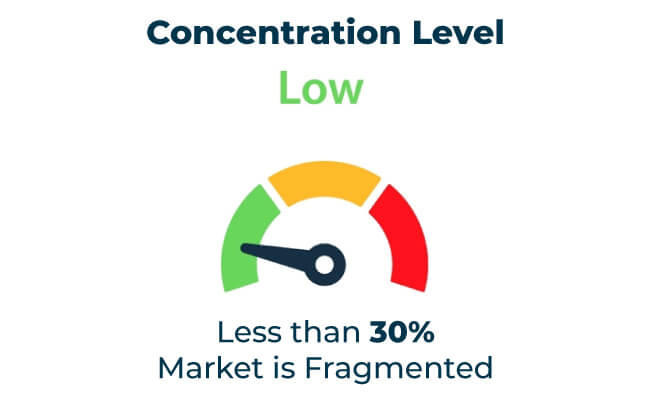
At the same time, Tier 2 and Tier 3 manufacturers are rising fast, leveraging eco-friendly materials and novel design approaches. The report highlights companies like Sofrigam, Tempack, and Intelsius, which are bringing modular, lightweight, and cost-effective packaging to the fore. These players are especially appealing to mid-size logistics firms and niche pharma providers looking for scalable cold-chain solutions. Meanwhile, regional players and startups — making up approximately a third of the market — are pushing boundaries with biodegradable insulation and customer-centric reusability.
Innovation is at the heart of this evolution. Established firms are launching next-generation products: Sonoco ThermoSafe has introduced ultra-durable multi-use containers built for repeated cycles, while Cold Chain Technologies now offers smart, IoT-enabled packaging that monitors temperature in real time. Pelican BioThermal has expanded its portfolio with advanced phase-change material (PCM) packs designed for better thermal stability.
Newer players are not far behind. Sofrigam is investing heavily in biodegradable cold chain shipping solutions; Tempack is launching modular, stackable boxes that reduce freight costs; and Intelsius is delivering customizable insulated boxes that meet the exact needs of life-sciences clients. These innovations enable a circular logistics model, where packaging returns and reuses become standard practice, significantly reducing environmental footprint.
The technological trends shaping the market are equally compelling. Reusable systems are increasingly embedded with IoT sensors, RFID tracking, and AI-driven temperature monitoring, enabling better visibility and control across the supply chain. Simultaneously, insulation materials are advancing — with vacuum-insulated panels (VIPs), bio-based polymers, and high-performance PCMs being integrated into the next wave of thermal packaging.
Regionally, growth is strongest in North America and Europe, where regulatory frameworks and corporate sustainability mandates are catalyzing adoption. However, emerging markets are rapidly catching up. In Asia-Pacific, for instance, demand is being fueled by booming e-commerce, meal-kit deliveries, and pharmaceutical expansion, creating fertile ground for both global players and regional innovators.
From a financial standpoint, the reusable cold-chain packaging sector is projected to nearly double in size over the next decade. Experts estimate that market value could rise from around USD 4 billion today to approximately USD 7.5 billion by the mid-2030s, underpinned by a compound annual growth rate near 6–7%.
Opportunities are abundant, particularly for technology providers and packaging suppliers. The report recommends that they focus on:
- Sustainable materials: Investing in recyclable, plant-based, or biodegradable insulation is increasingly attractive to customers and regulators alike.
- Smart tracking solutions: Integrating IoT, RFID, and AI enables real-time condition monitoring, reduced risk of spoilage, and greater operational efficiency.
- High-performance insulation: Developing lighter, more durable phase-change materials and vacuum-insulated panels can deliver better thermal performance and cost savings.
- Circular logistics models: Building returnable packaging systems with closed-loop supply chains minimizes waste, reduces emissions, and improves asset utilization.
- Geographical expansion: Tapping into high-growth regions such as Asia-Pacific and India, where cold-chain infrastructure is still scaling, could unlock new revenue streams.