

The algae-based packaging industry is poised for rapid transformation and expansion, according to a newly released market report that forecasts growth driven by sustainability, innovation, and strong momentum from both established and emerging players. The report underscores how pioneers and fresh entrants are collaborating to scale algae-derived materials into mainstream packaging — marking a decisive shift in the packaging landscape.
Algae-based packaging has evolved from a niche, experimental solution into a commercially viable, eco-conscious alternative. It leverages the renewable and biodegradable nature of algae to create materials that can replace traditional plastics in a wide range of applications, including food, beverage, cosmetics, and retail packaging.
Strong Momentum from Leading Innovators
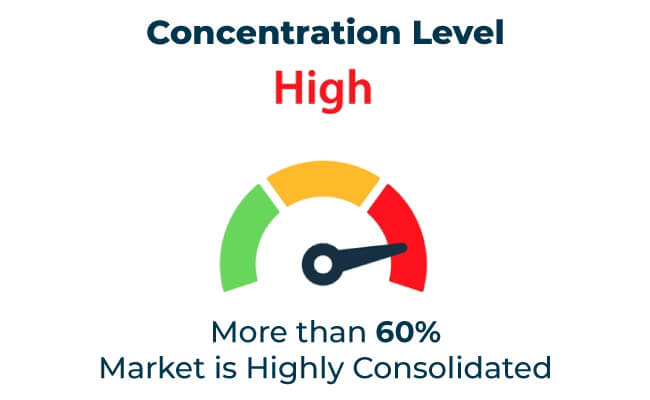
The market’s current leadership is anchored by well-recognized companies that have already carved out a strong presence. Notably, firms such as Evoware, Notpla, and Loliware are driving forward with advanced algae-based biopolymers. Evoware is scaling food-contact wrappers, Notpla is developing edible and compostable packaging, and Loliware is producing seaweed-based straws and containers. These companies together command a sizable portion of the market, demonstrating both technological maturity and commercial traction.
Their success is not only due to innovative materials, but also due to strategic alignments with large-scale retailers and food service companies. These collaborations are helping to integrate algae-based packaging into existing supply chains, proving that sustainability and business growth can go hand in hand.
Emerging Players are Driving Disruptive Innovation
Complementing the established firms, a wave of new entrants is pushing the technology envelope even further. FlexSea and Algix, for instance, are aggressively scaling up their polymer extraction processes, while Bloom Bioplastics and Oceanium are focusing on tailored algae bio-resins and localized production.
These emerging manufacturers are embracing new production methods — from improved bioreactor systems to automated molding and 3D printing — that improve cost-efficiency and scalability. Their mission is clear: to make algae-based packaging not just green, but also commercially compelling.
Many of these newcomers are also leveraging partnerships that stretch across industries. Some are working with consumer goods companies, others with regional algae farms, creating a circular economy where raw algae biomass and packaging come full circle.
A Boom Fueled by Market Tailwinds
Multiple forces are catalyzing this surge in adoption. Regulatory pressure on single-use plastics is tightening globally, prompting companies to urgently seek sustainable materials. At the same time, consumer demand for environmentally responsible products continues to rise — making algae-derived packaging an attractive proposition.
The report highlights that technological innovation is unlocking new potential: improvements in algae cultivation, enhanced extraction yields, and faster biodegradability are all reducing cost barriers. As this technology scales, companies are investing heavily in R&D to drive down costs further and broaden the material’s applicability.
Strategic Roadmap for Growth
According to analysts, the most successful companies in this space will be those that:
- Scale production efficiently. By investing in more productive bioreactors and adopting automation, manufacturers can reduce per-unit costs and meet growing demand.
- Educate consumers. Awareness campaigns about how algae packaging degrades and why it matters can accelerate market adoption.
- Form partnerships across value chains. Collaboration with farmers, retailers, and consumer brands can make supply chains more resilient and cost-effective.
- Target emerging markets. Regions such as Asia–Pacific offer untapped growth, and companies that build demand there can secure long-term leads.
Sustainable Packaging, Real Business Impact
What is striking about this market is how sustainability and profitability are converging. Algae-based packaging doesn’t just offer environmental benefits — for forward-thinking companies, it also opens up new revenue streams, aligns with ESG goals, and helps build brand loyalty. This unique combination is what makes both legacy leaders and agile startups confident in investing for the long haul.
The algae-based packaging market is no longer just a green dream. It has evolved into a scalable, dynamic sector with significant commercial potential. As more players enter and innovate, and as demand from regulators and consumers grows, the industry is set to redefine how we think about packaging — one biodegradable algae film at a time.




