The global aluminium cup market is entering a bold new era, as both established giants and emerging manufacturers step up to scale production, invest in clean-tech manufacturing, and respond to surging demand for sustainable drinkware solutions.
A recent market analysis reveals that industry heavyweights such as Ball Corporation, Trivium Packaging, and Crown Holdings continue to dominate, leveraging their economies of scale, advanced forming capabilities, and global logistics infrastructure. Alongside them, rising players – Enviro-Cup, Novelis, WinCup, Alcoa, Ardagh Group, Hydro, and Silgan Holdings – are not only carving out a strong presence but also pushing the envelope with new, tech-driven manufacturing processes.
Sustainability Meets Scale: Established Leaders Rising to the Challenge
Big-name manufacturers are doubling down on recyclable aluminium manufacturing, investing in fully recyclable cup lines, and deploying automation and AI-driven quality control. By combining lightweight alloys with precision forming techniques, these companies are making aluminium cups that are strong, durable, and highly recyclable — replacing traditional single-use plastic with a circular alternative.
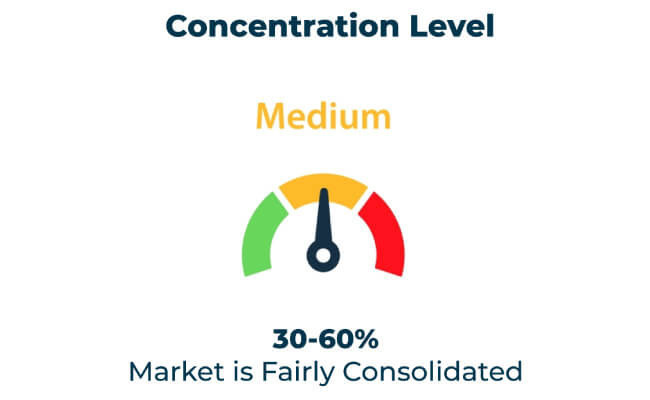
Laser-engraving and branding technologies are enabling truly customizable drinkware, while smart manufacturing systems reduce waste and boost production speed. As a result, Tier 1 players are projected to command approximately 38% of the global market share.
Emerging Innovators Chart a New Course
Meanwhile, second-tier and newer companies are defining their competitive edge through innovation:
- Enviro-Cup is breaking new ground with AI-enhanced quality inspection systems. Their smart lines catch defects in real time, minimizing material loss and raising consistency.
- Novelis is pushing sustainability further by producing temperature-controlled aluminium cups with a higher percentage of recycled content, marrying eco-credentials with premium user experience.
- WinCup is making waves with advanced corrosion-resistant coatings, boosting product lifespan while reducing maintenance efforts and ensuring beverage safety.
At the same time, regional and niche manufacturers — such as Ardagh Group, Alcoa, Hydro, and Silgan Holdings — are launching bespoke cup solutions. They’re exploring next-gen surface treatments, intelligent cup designs, and even smart, consumer-engaging touchpoints.
Tech-Driven Manufacturing Powers the Future
Across the board, manufacturers are harnessing cutting-edge technologies: AI-based defect detection, predictive maintenance, robotics, laser cutting, and sustainable coating systems. These innovations enable lighter yet stronger aluminium structures, reduce waste, and improve overall efficiency.
Simultaneously, companies are integrating circular economy principles. Fully recyclable aluminium, eco-friendly coatings, and even return-programs promise major impact. On top of that, smart logistics systems powered by AI analytics help streamline distribution and minimize carbon footprint.
Applications Expand Rapidly
The growing appeal of aluminium cups transcends traditional beverage sales. These products now serve:
- Food service & Hospitality: Restaurants and event venues are replacing plastic with elegant, reusable aluminium cups — combining sustainability with style.
- Sports & Entertainment: Durable, branded aluminium cups are gaining traction in stadiums, festivals, and arenas, reducing single-use plastic waste on a massive scale.
- Retail & E-commerce: Consumer-focused reusable aluminium drinkware is now appearing on retail shelves and online marketplaces.
- Aviation & Travel: Lightweight aluminium cups are being adopted in-flight, aligning with sustainability initiatives in the travel industry.
A Bright Horizon: Future Prospects and Strategic Moves
Analysts predict the aluminium cup market to grow at a strong pace as sustainability awareness, regulatory pressure, and consumer demand converge. Looking ahead:
- Companies are expected to invest more in AI-driven quality control and automated forming lines to increase throughput and cut costs.
- Research into biodegradable, recyclable coatings will accelerate.
- There will be increasing collaboration between technology suppliers and cup manufacturers — especially on customization, branding, and digital engagement.
- Smart cup technologies — such as embedded sensors or connected tracking — may emerge, offering new consumer interactions and sustainable business models.
- To strengthen circularity, firms may launch cup-return or refill programmes and invest in closed-loop recycling infrastructure.