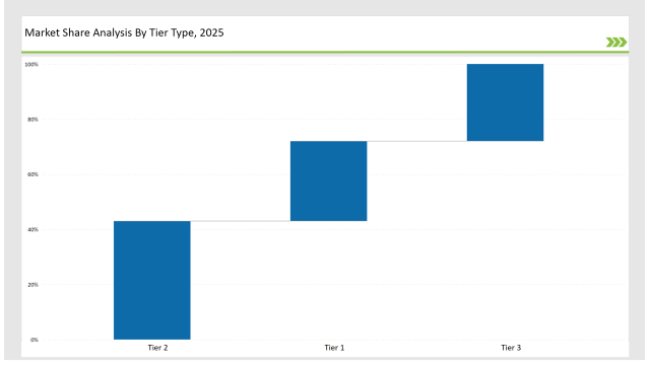
The global shrink label machine market is entering a transformative phase, driven by rapid technological advancements and a growing emphasis on sustainability. As industries such as beverages, pharmaceuticals, food, and personal care demand high-speed, precision-driven labeling solutions, manufacturers—both established giants and emerging innovators—are stepping up to redefine packaging standards.
Shrink label machines have become indispensable for brands seeking superior product presentation, tamper-evident security, and enhanced shelf appeal. These machines apply heat-sensitive shrink sleeves that contour perfectly to product shapes, creating a seamless blend of functionality and aesthetics. Today, the market is not just about labeling—it’s about integrating automation, AI-driven quality control, and eco-friendly practices to meet evolving consumer expectations.
Established Leaders Driving Automation and Speed
Tier 1 players like Krones AG, Accraply, and PDC International collectively hold a strong market position, leveraging cutting-edge automation and ultra-high-speed labeling systems. These companies are setting benchmarks by introducing AI-powered machines capable of real-time defect detection and precision placement. Krones AG recently launched an advanced shrink label machine featuring AI-driven sensors, ensuring flawless application even at high throughput rates. Similarly, Accraply has focused on compact, energy-efficient solutions tailored for emerging brands, while PDC International continues to lead in tamper-evident labeling technologies for pharmaceutical applications.
Mid-Tier Innovators Scaling Personalization
Tier 2 manufacturers, including Fuji Seal International, Pack Leader Machinery, and Karlville, are carving their niche by offering cost-effective, scalable solutions. Fuji Seal has strengthened its portfolio with recyclable shrink films, aligning with global sustainability goals. Pack Leader Machinery is expanding semi-automatic shrink labelers, enabling small and mid-sized businesses to access high-quality labeling without prohibitive costs. Karlville, on the other hand, is innovating with energy-efficient heat tunnel systems, reducing operational expenses while supporting eco-conscious production.
Emerging Players Embracing Sustainability and Smart Packaging
Regional and niche manufacturers are making waves by focusing on compact, precise, and energy-efficient machines. These Tier 3 players are introducing advanced tunnel heat technologies and biodegradable shrink films, catering to localized markets and sustainability-sensitive brands. Innovations such as QR-enabled interactive sleeves and RFID-integrated shrink labels are gaining traction, offering brands enhanced traceability and consumer engagement.
Market Dynamics and Growth Drivers
The shrink label machine market is projected to witness robust growth as businesses prioritize automation, customization, and environmental responsibility. Digital printing breakthroughs are enabling brands to experiment with limited-edition designs and vibrant graphics, while AI-driven defect detection ensures minimal waste and maximum efficiency. Sustainability remains a key driver, with manufacturers developing machines compatible with biodegradable and recyclable materials to meet stringent regulatory standards.
Industries such as beverages and bottled products are leading adoption, using shrink labels for soft drinks, energy drinks, and water bottles. Pharmaceuticals are increasingly relying on tamper-evident shrink sleeves for secure packaging, while food and dairy brands embrace full-body shrink labels for yogurt, sauces, and convenience foods. Personal care and cosmetics companies are also investing in luxury, high-gloss shrink labels to elevate brand perception.
Future Outlook: Automation Meets Eco-Innovation
Looking ahead, the market is poised for significant evolution. AI-enabled sensors will further enhance accuracy, reducing misalignments and downtime. Energy-efficient heat tunnels and biodegradable films will dominate as sustainability becomes non-negotiable. Smart packaging features—such as holographic security elements and RFID-enabled shrink sleeves—will redefine product authentication and consumer interaction.
Manufacturers aiming to stay competitive must embrace modular machine designs, offering flexibility for multi-format labeling and rapid scalability. Collaborations with beverage, pharmaceutical, and personal care brands will be crucial to driving innovation and expanding market reach.