The global labeling equipment market is surging ahead, with long-standing industry leaders joining forces with agile new entrants to reshape the landscape through cutting-edge automation, sustainability, and digital connectivity. According to newly published insights from a comprehensive market share analysis, manufacturers are increasingly focused on expanding their reach and harnessing emerging technologies to meet the evolving demands of packaging industries around the world.
Market Momentum Fueled by Innovation and Expansion
The labeling equipment market is currently valued at USD 4.1 billion and is projected to grow to USD 6.6 billion by 2035, registering a compound annual growth rate of approximately 4.9%. This growth is largely driven by escalating demand from sectors such as food & beverage, pharmaceuticals, and personal care, where precision and speed are paramount.
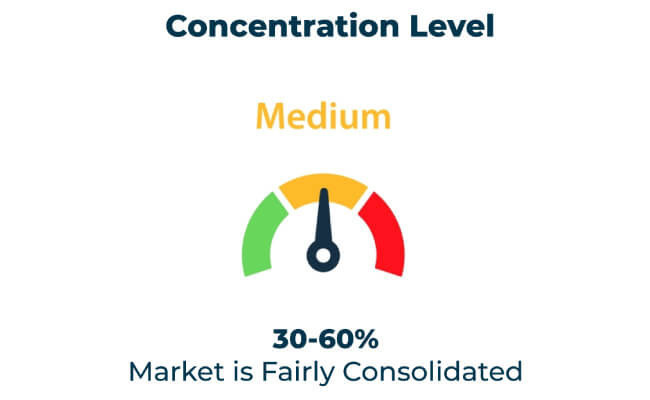
Traditional powerhouses—including Krones AG, Herma GmbH, and Markem-Imaje—continue to lead the charge with exceptional market share. These firms dominate Tier 1 of the market thanks to their robust automation capabilities, global distribution networks, and deep expertise in high-speed, high-precision labeling systems. Their strength underlines the resilience and innovation that have long defined the industry.
New Players Bring Agile Disruption and Fresh Technologies
Alongside these established giants, a growing wave of newer players is reshaping the competitive dynamics. Companies such as SATO Holdings, Avery Dennison, and Weber Packaging Solutions are earning momentum, particularly in Tier 2, by delivering flexible, customizable solutions tailored to modern production lines.
These more nimble firms are not just competing on price—they are pushing the envelope on innovation. They are building modular label applicators, high-speed print-and-apply systems, and eco-conscious machines that leverage green adhesives and smart label technologies.
At the same time, niche and regional specialists—forming the market’s Tier 3—are achieving impact through laser-focused innovation. These players lean into areas like RFID-enabled labeling, digital printing, and compact, scalable applicators designed for agile production environments.
Technological Transformation: Automation, Tracking, Sustainability
Across the board, labeling equipment manufacturers are racing to adopt next-generation technologies:
- AI and IoT integration: Leading providers are embedding artificial intelligence for real-time quality control and predictive maintenance, along with IoT-based connectivity to track and optimize label production.
- Smart tracking & traceability: RFID-enabled labeling systems, QR and NFC–embedded smart labels, and intelligent barcoding are enabling dynamic product identification and enhanced supply chain visibility.
- Sustainability-first design: Innovation is turning green, with recyclable adhesives, solvent-free materials, linerless labels, and compostable packaging gaining traction.
- Modular and scalable architectures: Companies are offering flexible machines that adapt to varying production volumes and SKU formats, reducing upgrade costs and enabling faster changeovers.
Strategic Moves from Market Leaders
- Krones AG has launched advanced AI-powered, high-speed labeling systems designed especially for high-throughput beverage and personal care lines.
- Herma GmbH has introduced energy-efficient modular applicators that minimize power consumption while maintaining high precision.
- Markem-Imaje is scaling its RFID-enabled and anti-counterfeiting labeling solutions to support regulatory and traceability needs in pharmaceuticals.
- SATO Holdings, in its pursuit of eco-innovation, rolled out recyclable, bio-based adhesives to align with global sustainability targets.
- Avery Dennison is enhancing smart label printing with embedded NFC functionality, facilitating dynamic consumer engagement and track-and-trace.
- Weber Packaging Solutions is pushing boundaries with scratch-resistant, high-resolution labels tailored to premium personal-care products.
Growth Drivers and Strategic Outlook
Several trends are steering the future of the labeling equipment market:
- Automation for Efficiency: As manufacturers across industries scale up, demand for automated, error-proof labeling systems is intensifying.
- Smart Packaging: Brands are increasingly embracing smart labels not just for traceability but for consumer engagement, using QR codes and NFC.
- Regulatory Compliance & Traceability: In pharmaceuticals, food, and beverage sectors, tight regulations are fueling adoption of serialized and trackable labeling solutions.
- Sustainability: Environmental pressure is pushing companies to adopt greener, more recyclable labeling technologies.
- Regional Growth: While mature regions like Europe and North America lead in automation, cost-sensitive and agile producers in Asia-Pacific are driving growth via modular and low-cost systems.
A Call to Technology Suppliers and Stakeholders
For technology suppliers looking to expand their footprint in this evolving market, now is the time to double down on solutions that champion automation, connectivity, and sustainability. Strategic partnerships with consumer goods brands—and especially those in pharmaceuticals and food & beverage—will be key to accelerating adoption.
In addition, suppliers should consider:
- Developing recyclable and biodegradable label materials.
- Integrating AI-based vision systems and predictive maintenance into labeling units.
- Rolling out cloud-enabled labeling platforms to serve global, multi-site customers.
- Offering modular, scalable systems that grow with manufacturers’ needs.
Looking Ahead
The labeling equipment market is undergoing a transformation. Established giants and dynamic newcomers are collaborating competitively, driving innovation, and reimagining packaging for the future. As automation, smart tracking, and sustainable materials take center stage, industry players are positioned to redefine what labeling can achieve—not just for brands, but for the planet.