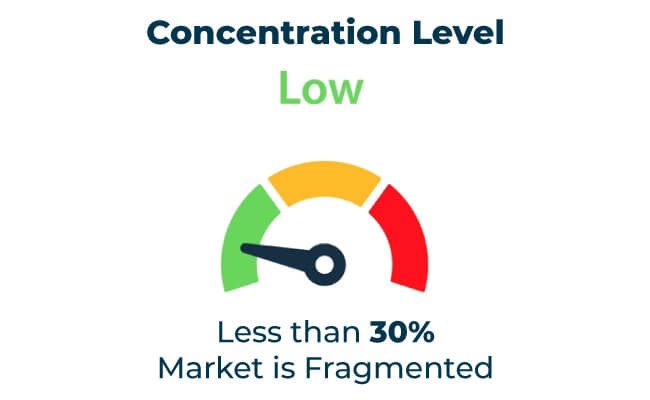
The global hand-held capping machines market is poised for dynamic growth as both long-standing manufacturers and an influx of new entrants accelerate efforts to expand operations and integrate cutting-edge technologies. As demand intensifies for lightweight, efficient, and versatile capping solutions, the industry is witnessing a strategic convergence of experience and innovation.
Driving Growth from All Corners
Established players with decades of expertise are reaffirming their commitment to market expansion. These legacy manufacturers are deploying refined processes, scaling their production capabilities, and deepening global partnerships to reach emerging regional markets. Their focus centers on optimizing ergonomics, enhancing reliability, and offering customization that caters to the specific needs of food and beverage, pharmaceuticals, cosmetics, and industrial packaging sectors.
Simultaneously, a vibrant wave of newer manufacturers is entering the market, drawn by the rising demand for compact, flexible capping solutions that support small to medium-scale production runs. These fresh contenders are bringing fresh thinking—rapid prototyping, modular designs, cloud-connected monitoring, and hybrid manual-automated configurations—all aimed at capturing agile manufacturers who prioritize both cost-efficiency and adaptability.
Technological Advancements Accelerating Market Expansion
At the heart of this growth is a push to integrate next-generation technologies. Hand-held capping machines are evolving beyond simple mechanical tools. Key trends include:
- Smart-enabled devices: Manufacturers are embedding sensors and connectivity features that enable real-time torque monitoring, cap count tracking, and automated feedback loops. These features allow operators to maintain consistent torque levels and reduce rejection rates, while plant managers gain visibility into operational metrics via dashboards.
- Modular & ergonomic designs: To address the ergonomic strains of repetitive capping, newer machines feature lighter weight, balanced grips, adjustable speed controls, and quick-swap attachments for different cap sizes and styles. This empowers operators to switch tasks rapidly and maintain comfort throughout long production runs.
- Hybrid manual-automation solutions: Recognizing that not every line needs full automation, manufacturers are offering hand-held modules with automated feeding systems or collaborative robot interfaces. These hybrid solutions bridge manual flexibility with automated consistency, appealing especially to small-to-mid-scale producers looking to upgrade without abandoning operator-centric workflows.
- Sustainable manufacturing & materials: In response to rising regulatory and environmental pressures, both veteran and emerging manufacturers are deploying eco-friendly materials, energy-efficient motors, and smart idle-standby modes, aligning product evolution with broader sustainability goals.
Strategic Expansion by Established Manufacturers
Leading manufacturers are scaling up globally. They are establishing regional manufacturing hubs, forging distribution alliances in high-growth regions such as Southeast Asia, Latin America and Africa, and tailoring products for specific regional packaging norms and cap designs. These firms are also investing in R&D centres to accelerate innovations in torque control, IoT connectivity, and data analytics, ensuring that their next-generation machines can meet diverse application needs.
Their expansion strategy encompasses:
- Enhancing service networks and spare-parts logistics to support customers across time zones.
- Offering training programs and operational support aimed at improving line uptime and reducing production waste.
- Forming strategic acquisitions or partnerships with robotics or sensor technology providers to enrich their product portfolios.
Innovation-led Growth from New Entrants
New manufacturers, unencumbered by legacy systems, are leveraging agile development frameworks and digital-first strategies. Their vehicles for growth include:
- Cloud-native platforms that connect hand-held capping machines to plant-wide manufacturing execution systems (MES), enabling data-driven production decisions.
- Rapid modular platforms allowing customers to customize machine heads, torque ranges, speed settings and feed systems with minimal lead time.
- Direct online sales and subscription-based service models, reducing entry barriers for small and medium enterprises (SMEs) seeking efficient capping solutions without large upfront investment.
These entrants are also collaborating with packaging-line integrators and automation specialists, positioning their solutions as integral components in Industry 4.0-ready production lines.
Market Outlook & Opportunity
With demand for flexible, efficient capping solutions rising across sectors—from beverages to personal care and pharmaceuticals—the hand-held capping machines market is unlocking significant opportunity. Producers shifting towards smaller batch sizes, frequent product re-launches and pent-up demand for modular automation are driving growth. As both legacy and new manufacturers ramp up capabilities, the ecosystem is becoming richer and more diverse.
For manufacturers looking to expand, the following strategic imperatives stand out:
- Capitalize on regional growth: Emerging markets present large upside potential as local producers seek cost-effective, efficient capping solutions.
- Embrace connectivity & data: Incorporating smart features and remote monitoring will be key differentiators.
- Offer adaptability: Flexibility—whether via modular designs or hybrid operation modes—will meet the evolving needs of modern production lines.
- Sustainability as a priority: Eco-friendly materials, energy-efficient drives and responsible service models will increasingly influence purchasing decisions.
About the Report
The topic report, which underpins these insights, details market share analysis for hand-held capping machines and explores how key players—both established and newcomers—are positioning for growth through innovation, global expansion and strategic partnerships.