

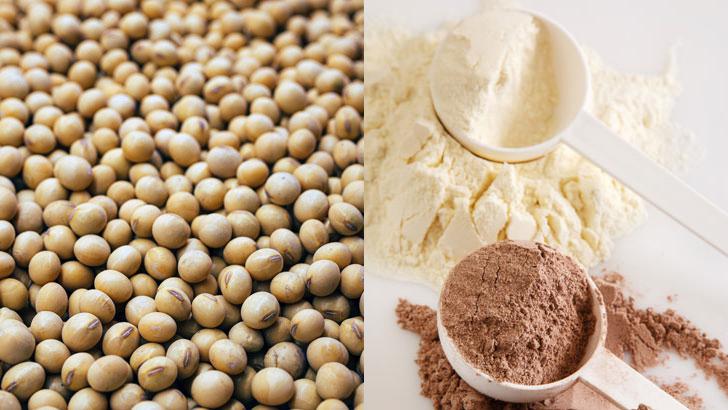
The latest report, “Demand for Soy Protein Isolates in EU: Outlook and Forecast (2025–2035),” reveals that the European Union soy protein isolate (SPI) market is poised for steady growth, expanding from USD 639.6 million in 2025 to USD 802.9 million by 2035, at a CAGR of 2.3%. The surge in demand reflects Europe’s accelerating transition toward plant-based nutrition, sustainable ingredient sourcing, and technological breakthroughs in protein isolation and purification.
Get this Report at $3500 | Exclusive Discount Inside! https://www.futuremarketinsights.com/reports/sample/rep-gb-27202
A Decade of Gradual Yet Resilient Growth
Between 2025 and 2030, the market is projected to add over USD 87.6 million in value, driven by rising consumer demand for sustainable, high-quality proteins used in functional foods, beverages, and meat alternatives. By 2035, soy protein isolates are expected to achieve wider acceptance across sports nutrition, dietary supplements, and clinical applications, reinforcing their position as a cornerstone of the EU’s plant-based protein economy.
The dry soy protein isolate (SPI) format is forecast to dominate with an 82.0% share in 2025, favored for its stability, long shelf life, and manufacturing versatility. The functional foods segment will remain the top application, accounting for 38.0% of total market value, driven by increased protein fortification in bars, beverages, and meal replacements.
Driving Forces: Health, Sustainability, and Innovation
The shift toward soy protein isolates is underpinned by Europe’s growing focus on health-conscious and environmentally responsible diets. Consumers are actively seeking clean-label, high-protein products that reduce reliance on animal-derived proteins. Manufacturers, in turn, are leveraging soy protein isolates for their complete amino acid profile, neutral taste, and functional flexibility in food, beverage, and nutraceutical formulations.
A growing body of scientific research continues to highlight the nutritional and metabolic advantages of soy protein, including benefits for muscle maintenance, cardiovascular health, and healthy aging. These health-driven trends are reinforced by EU regulatory policies promoting sustainable food systems and protein diversification, positioning soy protein isolates as a reliable, environmentally aligned alternative.
Innovation-Led Growth Among Manufacturers
Both established leaders and emerging processors are investing in advanced technologies to elevate product performance and expand market reach. Companies like ADM, Cargill, IFF/DuPont, Kerry Group, and Fuji Oil are pioneering new processing techniques—such as enzymatic modification, membrane filtration, and pH shifting—to produce isolates with improved solubility, flavor neutrality, and functional integrity.
Meanwhile, European innovators such as Roquette Frères, Glanbia Nutritionals, Sonic Biochem, and CHS Inc. are focusing on non-GMO, organic-certified, and locally sourced soy isolates to meet consumer expectations for transparency and sustainability. These players are collaborating with food manufacturers, nutrition brands, and R&D institutions to develop next-generation protein ingredients optimized for beverages, clinical nutrition, and sports supplements.
Dry SPI Dominates as Functional Foods Drive Application Growth
The dry SPI powder segment will continue to lead the market, maintaining over 80% share through 2035. This dominance stems from its ease of use, stability, and formulation flexibility, making it the preferred choice for industrial applications. Manufacturers are increasingly customizing SPI powders for specialized uses—such as high-gel strength variants for meat alternatives and dispersible grades for protein beverages.
In terms of applications, functional foods remain at the forefront, expanding their share to nearly 40% by 2035. European food producers are rapidly incorporating soy protein isolates into energy bars, dairy alternatives, fortified cereals, and nutritional shakes, blending nutrition with sustainability. The functional food segment’s growth underscores soy protein’s ability to deliver complete protein nutrition while aligning with consumer values around clean-label and eco-conscious choices.
Regional Insights: Innovation and Cultural Adaptation Shape Growth
The EU soy protein isolate market exhibits regional diversity in adoption rates and innovation intensity:
- Germany remains the largest market, expected to grow from USD 172.7 million to USD 221.8 million by 2035, backed by its strong food ingredient infrastructure and well-established plant-based ecosystem.
- France shows dynamic expansion with a 2.5% CAGR, driven by the functional foods boom and growing consumer interest in performance nutrition.
- The Netherlands, another growth leader at 2.5% CAGR, stands out for its innovation-driven food technology sector and early adoption of plant-based solutions.
- Spain and Italy demonstrate steady progression, with Spain reflecting broad retail adoption and Italy adapting soy isolates into traditional applications such as bakery and fortified pasta.
- The Rest of Europe region, including Eastern and Nordic countries, shows gradual adoption, offering long-term potential as plant-based awareness deepens.
Sustainability and Non-GMO Sourcing Define Competitive Differentiation
The next phase of market growth will be heavily influenced by sustainability initiatives and non-GMO positioning. Leading manufacturers are integrating life cycle assessments, carbon footprint tracking, and regional soy sourcing to meet EU sustainability targets and appeal to eco-conscious consumers. Investments in European soy cultivation and traceable supply chains not only strengthen brand trust but also reduce reliance on imports, aligning with regional agricultural goals.
Competitive Landscape: Collaboration and Differentiation
The EU soy protein isolate industry remains moderately consolidated, with ADM (16%), Cargill (11%), and IFF/DuPont (9%) holding leading positions through extensive product portfolios and technological expertise. Kerry Group and Fuji Oil are key contributors in specialized applications, while regional and emerging players collectively control over 50% of the market, focusing on niche innovations such as organic-certified isolates and application-specific formulations.
Collaborations between ingredient suppliers, food manufacturers, and research institutions are becoming increasingly central to maintaining competitiveness. With continuous advancements in purification efficiency, sustainability integration, and regional sourcing, both established corporations and new entrants are positioned to capitalize on the EU’s evolving demand for high-performance, clean-label soy protein isolates.
Secure Your Discounted Report Today: https://www.futuremarketinsights.com/checkout/27202
About the Report
The report “Demand for Soy Protein Isolates in EU: Outlook and Forecast (2025–2035)” provides detailed insights into market dynamics, segmentation, competitive landscape, and technological trends shaping the future of the EU soy protein isolate industry. It highlights opportunities for both established ingredient leaders and emerging manufacturers to expand their presence in Europe’s rapidly evolving plant-based protein sector.
About Future Market Insights (FMI)
Future Market Insights, Inc. (ESOMAR certified, recipient of the Stevie Award, and a member of the Greater New York Chamber of Commerce) offers profound insights into the driving factors that are boosting demand in the market. FMI stands as the leading global provider of market intelligence, advisory services, consulting, and events for the Packaging, Food and Beverage, Consumer Technology, Healthcare, Industrial, and Chemicals markets. With a vast team of over 400 analysts worldwide, FMI provides global, regional, and local expertise on diverse domains and industry trends across more than 110 countries.
Contact Us:
Future Market Insights Inc.
Christiana Corporate, 200 Continental Drive,
Suite 401, Newark, Delaware – 19713, USA
T: +1-347-918-3531
For Sales Enquiries: sales@futuremarketinsights.com
Website: https://www.futuremarketinsights.com
LinkedIn| Twitter| Blogs | YouTube
