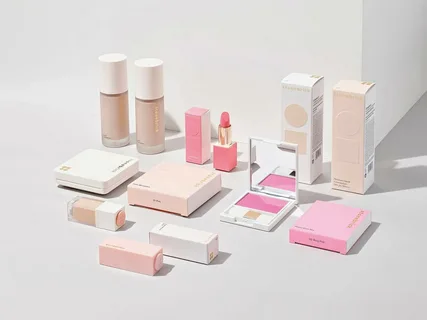
The beauty and personal care packaging market is expected to grow from USD 41.3 billion in 2025 to USD 87.5 billion by 2035, representing a CAGR of 7.8%. A growth contribution index analysis highlights the relative impact of key segments, regions, and innovations on overall market expansion. Between 2025 and 2030, the market rises from USD 41.3 billion to USD 60.1 billion, with significant contributions from premium skincare and cosmetics packaging, particularly glass and recyclable materials.
The global Beauty and Personal Care Packaging Market is experiencing significant growth as demand surges for innovative, sustainable, and visually appealing packaging solutions. With beauty and personal care brands focusing increasingly on sustainability, functionality, and premium aesthetics, packaging manufacturers are responding with advanced materials, smart designs, and eco-friendly production technologies.
Market Overview
The beauty and personal care industry is evolving rapidly, fueled by shifting consumer lifestyles, increasing spending on skincare and cosmetics, and the growing influence of e-commerce. As brands compete for attention in both physical stores and digital marketplaces, packaging plays a crucial role in differentiating products, enhancing brand identity, and conveying value.
Manufacturers are investing heavily in lightweight materials, refillable containers, and recyclable designs to meet sustainability goals. The integration of smart packaging technologies, such as QR codes and NFC tags, is also creating new ways for brands to engage directly with consumers through digital storytelling and product authentication.
Key Market Drivers
The rising demand for environmentally conscious packaging is one of the most powerful growth drivers in the beauty and personal care packaging market. Consumers are becoming increasingly aware of plastic waste and carbon footprints, prompting brands to adopt recyclable, biodegradable, and refillable packaging formats. Governments and industry regulators are reinforcing this trend by implementing stricter sustainability standards across global supply chains.
Premiumization trends are also influencing packaging innovation. The growing preference for luxury skincare and cosmetic products is driving demand for elegant, high-quality materials such as glass, metal, and coated paperboard that elevate the consumer experience.
E-commerce expansion has further reshaped packaging requirements, emphasizing the need for durable, protective, and visually appealing designs that maintain brand integrity during shipping while still offering a premium unboxing experience.
Emerging Trends
The market is witnessing several transformative trends that are redefining packaging design and production. The circular economy is at the forefront, encouraging brands to rethink product lifecycles through reusable and refillable packaging. Major companies are launching refill stations and adopting mono-material designs that simplify recycling.
Digital printing and personalization are becoming increasingly popular, allowing brands to produce limited-edition packaging and tailor designs to regional or seasonal campaigns. Advances in 3D printing are also enabling rapid prototyping and customization at reduced costs.
Moreover, the integration of smart and connected packaging is gaining momentum, helping consumers access product details, sustainability information, and authenticity verification via their smartphones. These innovations enhance transparency, customer engagement, and brand trust.
Regional Insights
The Asia-Pacific region currently leads the global beauty and personal care packaging market, driven by the rapid expansion of the cosmetics and skincare industries in countries such as China, Japan, South Korea, and India. The rise of beauty-conscious consumers and the strong presence of both local and international brands are fueling packaging innovation in the region.
North America and Europe continue to be major markets, with a strong focus on sustainable and premium packaging materials. Consumers in these regions are highly engaged with eco-friendly beauty products, pushing manufacturers toward recyclable plastics, glass, and paperboard solutions.
Meanwhile, emerging economies in Latin America and the Middle East are witnessing growing demand for affordable yet high-quality packaging solutions as beauty brands expand into new markets.
Competitive Landscape
The Beauty and Personal Care Packaging Market is highly competitive, featuring a mix of global packaging giants and specialized niche manufacturers. Companies are investing in research and development to produce lightweight, cost-effective, and environmentally responsible packaging. Strategic collaborations between beauty brands and packaging innovators are becoming common as both parties seek to align sustainability goals with design excellence.
Manufacturers are also expanding their regional footprints through mergers, acquisitions, and partnerships to better serve multinational beauty companies. Recent developments in digital printing, sustainable material innovation, and automated production are helping these companies enhance flexibility and scalability.
Future Outlook
The future of the beauty and personal care packaging market looks bright, shaped by a convergence of sustainability, technology, and consumer-centric design. As brands continue to prioritize eco-friendly and aesthetically pleasing packaging, manufacturers are expected to focus on material innovation, lifecycle optimization, and enhanced recyclability.
With the growing importance of digital engagement and direct-to-consumer strategies, packaging will increasingly serve as both a functional and storytelling medium. The integration of design, technology, and sustainability will define the next decade of growth in this sector.
In the coming years, the beauty and personal care packaging market will remain a key enabler of brand differentiation and customer loyalty, helping companies meet evolving consumer expectations while contributing to a more sustainable global packaging ecosystem.
Get Instant Access for Only $5000 | Don’t Miss This Exclusive Offer!
https://www.futuremarketinsights.com/reports/sample/rep-gb-25576
Checkout Now to Access Industry Insights:
https://www.futuremarketinsights.com/checkout/25576
About Future Market Insights (FMI)
Future Market Insights, Inc. (ESOMAR certified, recipient of the Stevie Award, and a member of the Greater New York Chamber of Commerce) offers profound insights into the driving factors that are boosting demand in the market. FMI stands as the leading global provider of market intelligence, advisory services, consulting, and events for the Packaging, Food and Beverage, Consumer Technology, Healthcare, Industrial, and Chemicals markets. With a vast team of 400 analysts worldwide, FMI provides global, regional, and local expertise on diverse domains and industry trends across more than 110 countries.
Contact Us:
Future Market Insights Inc.
Christiana Corporate, 200 Continental Drive,
Suite 401, Newark, Delaware – 19713, USA
T: +1-845-579-5705
For Sales Enquiries: sales@futuremarketinsights.com
Website: https://www.futuremarketinsights.com
LinkedIn| Twitter| Blogs | YouTube