The global horizontal strapping machine market is poised for steady growth, with an estimated value of USD 867.7 million in 2025 and projected to reach USD 1,200.5 million by 2035, reflecting a CAGR of 3.3%. As manufacturers seek faster, more reliable, and environmentally sustainable packaging solutions, horizontal strapping machines are emerging as a key enabler of efficiency across industries such as e-commerce, logistics, food and beverages, and pharmaceuticals.
Accelerating Efficiency Through Automation
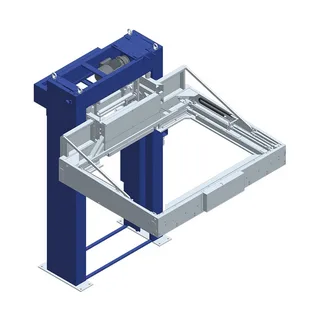
Horizontal strapping machines provide a self-service, machine-based packaging solution that applies plastic or steel straps horizontally across packages and pallets. Unlike traditional vertical strapping, these machines focus on speed and consistency, enabling high-volume operations to meet the growing demands of modern logistics and e-commerce.
Automatic horizontal strapping machines currently dominate the market, accounting for 55% of operational types in 2025. By automating the strapping process, businesses can significantly reduce manual labor costs, increase throughput, and achieve consistent, secure packaging. With operating speeds between 30 to 60 straps per minute representing 43% of the market share, these machines ensure rapid processing without compromising quality, particularly vital in high-volume sectors.
Buy Now & Save: Premium Market Report at $5,000 | Discount Details Inside:- https://www.futuremarketinsights.com/reports/sample/rep-gb-7280
Sustainability Drives Market Demand
A critical driver of horizontal strapping machine adoption is the rising emphasis on sustainability. Businesses are increasingly adopting eco-friendly packaging materials, including biodegradable or recyclable straps. Horizontal strapping machines are compatible with these materials, helping companies reduce carbon footprints while meeting consumer expectations for greener solutions.
This shift aligns with stricter environmental regulations and sustainability-focused corporate strategies, positioning automated horizontal strapping as both an operational and ecological advantage. Manufacturers integrating these solutions can showcase commitment to sustainability while maintaining efficiency and productivity.
Industry 4.0 Integration: The Next Frontier
The horizontal strapping machine market is also being shaped by Industry 4.0 integration. Modern machines now include smart features such as sensors, real-time monitoring, automated tension control, and connectivity for predictive maintenance. These technological upgrades allow manufacturers to optimize production workflows, reduce errors, and enhance operational transparency.
Companies adopting these smart solutions gain the ability to automate packaging processes further, increase throughput, and consistently deliver secure products. This trend is particularly beneficial for businesses with high-volume operations in e-commerce, logistics, and manufacturing, where speed, precision, and reliability are critical.
Meeting the Global Demand: Regional Insights
- USA: With the e-commerce boom, the U.S. market accounts for 28.7% of global demand in 2025. Horizontal strapping machines offer fast, secure, and reliable packaging solutions, critical for high-volume shipment operations.
- UK: Businesses across manufacturing, logistics, and distribution are increasingly automating packaging operations to reduce labor costs and enhance productivity.
- Germany: A projected CAGR of 5.1% reflects the country’s strong e-commerce and logistics sectors, which rely on efficient strapping solutions for bulky shipments.
- Japan: Innovative industrial technology drives adoption, with smart sensors and automated tensioning increasing operational precision and reducing waste.
- India: Rapid industrial growth across automotive, textiles, and consumer goods sectors drives demand for high-speed, automated horizontal strapping machines.
- China: National initiatives such as “Made in China 2025” emphasize automation, boosting the adoption of strapping machines in logistics, food, and pharmaceutical manufacturing.
Overcoming Challenges: Cost as a Barrier
Despite clear advantages, high initial investment costs can limit adoption, particularly for small and medium-sized enterprises. Advanced horizontal strapping machines require specialized components, maintenance, and skilled operators, increasing operational expenses.
However, manufacturers investing in these automated solutions can achieve long-term benefits through labor cost reduction, enhanced efficiency, minimized errors, and faster packaging cycles. For businesses scaling operations, the return on investment often outweighs the upfront cost.
Competitive and Startup Landscape
The horizontal strapping machine market is highly competitive, with key players such as Signode Industrial Group, Transpak Equipment Corp., M.H. Packaging, FROMM Packaging Systems, and Dynaric, Inc. dominating through technological innovation, global reach, and diversified product offerings.
Startups like Packway India, Strapex, and Buckle Up Strapping Solutions are carving niches through innovative, customizable machines optimized for speed, accuracy, and eco-friendly material usage. These agile companies focus on affordability, high performance, and strategic partnerships to challenge established players while meeting evolving industry needs.
Click Here to Purchase the Report:- https://www.futuremarketinsights.com/checkout/7280
Industry Implications: Transforming Manufacturing Operations
For manufacturers, the adoption of horizontal strapping machines represents a solution-focused approach to meet modern packaging challenges. Benefits include:
- Enhanced Productivity: High-speed strapping ensures faster packaging cycles and increased throughput.
- Labor Optimization: Automated processes reduce dependency on manual labor, lowering costs.
- Product Security: Reliable strapping safeguards products during transport and storage.
- Sustainability Compliance: Machines compatible with eco-friendly materials support green initiatives.
- Industry 4.0 Readiness: Smart machines enable predictive maintenance, real-time monitoring, and data-driven insights.
Conclusion: A Future-Oriented Packaging Solution
As industries worldwide strive to optimize efficiency, reduce costs, and meet sustainability goals, horizontal strapping machines provide a powerful solution. With advancements in automation, speed, and smart integration, these machines are well-positioned to support manufacturers’ growth strategies through 2035 and beyond.
The global horizontal strapping machine market is more than a tool—it is a catalyst for operational transformation, offering manufacturers, logistics providers, and e-commerce businesses the opportunity to modernize packaging, enhance productivity, and embrace sustainable practices without compromise.
About Future Market Insights (FMI)
Future Market Insights, Inc. (ESOMAR certified, recipient of the Stevie Award, and a member of the Greater New York Chamber of Commerce) offers profound insights into the driving factors that are boosting demand in the market. FMI stands as the leading global provider of market intelligence, advisory services, consulting, and events for the Packaging, Food and Beverage, Consumer Technology, Healthcare, Industrial, and Chemicals markets. With a vast team of over 400 analysts worldwide, FMI provides global, regional, and local expertise on diverse domains and industry trends across more than 110 countries.
Contact Us:
Future Market Insights Inc.
Christiana Corporate, 200 Continental Drive,
Suite 401, Newark, Delaware – 19713, USA
T: +1-347-918-3531
For Sales Enquiries: sales@futuremarketinsights.com
Website: https://www.futuremarketinsights.com
LinkedIn| Twitter| Blogs | YouTube