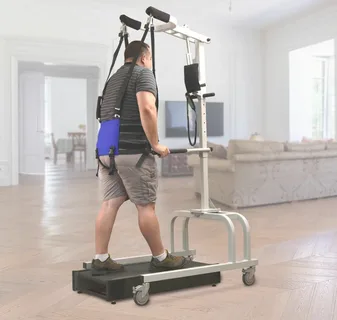
The global sales of gait trainer are estimated to be worth USD 395.6 million in 2025 and are anticipated to reach a value of USD 637.8 million by 2035. Sales are projected to rise at a CAGR of 4.9% over the forecast period between 2025 and 2035. The revenue generated by gait trainer in 2024 was USD 377.1 million.
The gait trainer market is witnessing substantial growth as healthcare providers and rehabilitation centers emphasize improved mobility and quality of life for patients with walking impairments. Gait trainers are specialized devices designed to assist individuals recovering from neurological injuries, disabilities, or surgeries to regain proper walking ability safely and effectively. The integration of advanced technologies and therapeutic approaches has increased the effectiveness of gait training, driving demand across clinical, home care, and therapeutic settings.
As the global population ages and conditions such as stroke, cerebral palsy, spinal cord injury, and multiple sclerosis increase in prevalence, the need for assistive rehabilitation tools like gait trainers has become imperative. Emerging innovations, including robotic assistance and sensor integration, further enhance patient outcomes and make gait therapy more accessible and personalized.
Key Drivers Fueling Market Expansion
The primary driver of the gait trainer market is the rising incidence of neuromuscular disorders and orthopedic conditions requiring rehabilitative interventions. As awareness of the benefits of early and intensive rehabilitation grows, patients and clinicians are increasingly adopting gait trainers to support mobility recovery.
Healthcare systems worldwide are incorporating gait training programs into standard rehabilitation protocols, supported by growing governmental and insurance incentives. Additionally, advances in physical therapy highlight the importance of repetitive, precise, and supported walking exercises—areas where gait trainers excel—making them essential devices in comprehensive rehabilitation regimens.
Regional Adoption Patterns and Healthcare Infrastructure
North America holds a strong position within the gait trainer market due to well-established rehabilitation technologies, reimbursement frameworks, and a high focus on post-acute care. The United States, with its large pool of aging individuals and wide network of outpatient and inpatient rehabilitation facilities, demonstrates notable demand for innovative gait trainer devices.
Europe’s market benefits from healthcare policies promoting inclusive rehabilitation and enhanced technological adoption across countries like Germany, France, and the UK. Public and private healthcare providers are investing in gait training equipment to improve long-term patient independence and reduce disability-related healthcare costs.
In the Asia-Pacific region, rapid urbanization, increasing healthcare expenditure, and rising awareness of rehabilitative care need are major growth enablers. Countries including Japan, China, and India are expanding rehabilitation infrastructure and adopting modern therapeutic tools, supporting market growth.
Technological Advancements Enhancing Gait Trainer Capabilities
Advancements in robotics, sensor technology, and AI-driven feedback systems have significantly transformed gait trainers into sophisticated rehabilitation aids. Modern devices offer adjustable support levels, real-time gait analysis, and interactive virtual environments that motivate patients and help therapists tailor interventions based on precise biomechanical data.
Lightweight materials, ergonomic designs, and portable models improve patient comfort and facilitate easier use across hospital, outpatient, and home settings. Integration with wearable sensors and tele-rehabilitation platforms also enables remote monitoring, expanding access to therapy and improving compliance.
Market Challenges and Development Opportunities
Despite strong prospects, the gait trainer market faces hurdles such as high device costs, limited awareness in emerging markets, and the need for skilled professionals to operate advanced equipment. Variability in reimbursement policies and economic constraints in some regions further restrict widespread adoption.
Efforts to provide affordable, user-friendly gait trainers alongside comprehensive training and support services are essential to bridging these gaps. Growing partnerships between manufacturers, healthcare providers, and payers to educate stakeholders on device benefits and long-term cost savings will enhance market penetration.
Innovations that reduce production costs without compromising functionality will broaden availability in lower-income and rural areas, offering fresh growth avenues.
Competitive Landscape and Strategic Collaborations
The gait trainer industry is characterized by a mix of global rehabilitation technology leaders and specialized niche manufacturers. Established companies differentiate through continuous innovation, integration of smart technology, and extensive after-sales technical support.
Strategic alliances with hospitals, rehabilitation centers, and research institutions fast-track product development and clinical validation. Collaborations aimed at combining gait training with complementary therapies create comprehensive rehabilitation solutions, enhancing therapeutic effectiveness.
Emerging players leverage novel materials, AI, and connectivity to develop next-generation gait trainers that appeal to tech-savvy healthcare providers and patients seeking personalized rehabilitation experiences.
Outlook: Enhancing Mobility and Quality of Life
Looking forward, the gait trainer market is set to experience sustained growth driven by demographic shifts, advancements in rehabilitation science, and expanding healthcare infrastructure worldwide. Increasing emphasis on patient-centered care and functional independence calls for effective mobility solutions, positioning gait trainers as indispensable instruments in rehabilitative medicine.
Manufacturers investing in ergonomic design, affordability, digital connectivity, and multidisciplinary integration will drive the future of this market. As rehabilitation moves towards precision therapy and remote care models, gait trainers will play a pivotal role in enabling patients to regain normal gait patterns and improve life quality.
With this favorable landscape, both leading companies and innovative startups have significant opportunities to develop transformative solutions that shape the next generation of rehabilitation technologies globally.
Get Instant Access for Only $5,000 | Don’t Miss This Exclusive Offer!
https://www.futuremarketinsights.com/reports/sample/rep-gb-2213
Checkout Now to Access Industry Insights:
https://www.futuremarketinsights.com/checkout/2213
About Future Market Insights (FMI)
Future Market Insights, Inc. (ESOMAR certified, recipient of the Stevie Award, and a member of the Greater New York Chamber of Commerce) offers profound insights into the driving factors that are boosting demand in the market. FMI stands as the leading global provider of market intelligence, advisory services, consulting, and events for the Packaging, Food and Beverage, Consumer Technology, Healthcare, Industrial, and Chemicals markets. With a vast team of 400 analysts worldwide, FMI provides global, regional, and local expertise on diverse domains and industry trends across more than 110 countries.
Contact Us:
Future Market Insights Inc.
Christiana Corporate, 200 Continental Drive,
Suite 401, Newark, Delaware – 19713, USA
T: +1-845-579-5705
For Sales Enquiries: sales@futuremarketinsights.com
Website: https://www.futuremarketinsights.com
LinkedIn| Twitter| Blogs | YouTube