The hybrid additive manufacturing machines market is at USD 3.1 billion in 2025 and is expected to reach USD 25.5 billion by 2035, growing at a CAGR of 23.5%, with a multiplying factor of about 8.2x. A 5-year growth block analysis highlights how market expansion occurs in distinct phases over the decade, reflecting technological adoption, industrial integration, and regional uptake. In the first block, from 2025 to 2030, growth is driven by early adoption in aerospace, automotive, and medical device manufacturing.
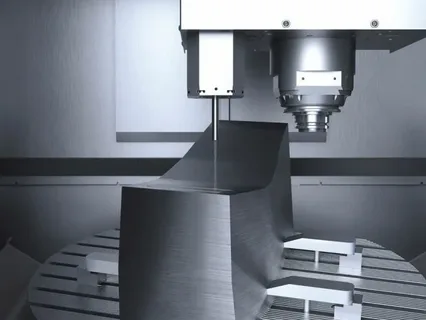
The hybrid additive manufacturing (AM) machines market is advancing steadily as industries embrace solutions that combine additive and subtractive processes within a single platform. These machines provide unparalleled capabilities for complex part fabrication, enabling manufacturers to address challenges related to precision, speed, and material efficiency. The integration of both 3D printing and traditional machining techniques supports a wide spectrum of applications, from aerospace and automotive to medical devices and tooling.
With growing demands for customized manufacturing, lightweight design, and reduced production lead times, hybrid additive manufacturing machines are becoming critical assets in modern production facilities. The evolution toward Industry 4.0, involving automation, smart factories, and digital workflows, further amplifies the market’s growth potential through enhanced process control and integration with IoT platforms.
Driving Factors and Industry Adoption
The demand for hybrid additive manufacturing machines is being propelled by the need for rapid prototyping, tooling, and end-use part production that achieves tight tolerances and superior surface finishes. Industries such as aerospace and automotive seek these technologies to develop parts demonstrating complex geometries and enhanced mechanical properties while minimizing material wastage and manufacturing costs.
Healthcare applications, including implantable devices and surgical instruments, increasingly rely on hybrid AM to combine biocompatible additive manufacturing with high-precision subtractive finishing. This convergence ensures medical-grade standards and functional customization, which are essential for patient-centric solutions.
The capability to switch seamlessly between additive and subtractive modes reduces equipment footprint and capital expenditure, attracting manufacturers looking to optimize floor space and operational efficiency. Additionally, hybrid AM systems enable repair and refurbishment jobs by adding material to worn components and machining them to specifications—further extending part life cycles.
Technological Advances Fueling Market Growth
Recent innovations in hybrid additive manufacturing machines focus on improved laser power, multi-axis machining, and advanced material handling to boost productivity and quality. Development of closed-loop control systems and real-time monitoring ensures higher process reliability and less scrap generation.
Software advancements including simulation, machine learning, and digital twin technologies integrate with hybrid AM hardware to enhance process planning, defect prediction, and adaptive manufacturing. These digital capabilities allow for more complex design implementations, process optimization, and quality assurance, which are critical for industrial adoption.
Materials science breakthroughs, such as new metal powders and composites optimized for hybrid AM, expand the range of feasible applications and improve mechanical performance. This synergy of hardware, software, and materials innovation forms the backbone of competitive advantage in the hybrid AM market.
Regional Dynamics and Market Expansion
North America leads in hybrid additive manufacturing adoption due to strong aerospace, defense, and healthcare sectors driving demand for high-performance components. The United States, in particular, benefits from considerable R&D investments, government support, and mature manufacturing ecosystems that encourage hybrid AM deployment.
Europe follows closely, with countries like Germany, France, and the UK investing heavily in Industry 4.0 digital transformation initiatives and sustainable manufacturing practices. These efforts spur demand for hybrid AM machines that support eco-friendly, efficient production and enable reshoring of critical supply chains.
Asia-Pacific shows rapid market expansion driven by industrial modernization and increased adoption of advanced manufacturing technologies in China, Japan, and South Korea. Government incentives, industrial upgrading policies, and burgeoning medical device and automotive manufacturing sectors contribute to fast-paced hybrid AM machine utilization.
Challenges and Industry Opportunities
Despite promising prospects, the hybrid additive manufacturing machines market faces barriers such as high initial investment, technical complexity, and a shortage of skilled operators familiar with convergent technologies. The necessity for streamlined integration into existing manufacturing workflows demands significant capital and expertise.
Overcoming these challenges requires ongoing training programs, collaborative innovation with software providers, and development of standardized workflows to reduce complexity for industrial users. The market also benefits from emerging trends such as modular machine designs and cloud-based control platforms that ease adoption and scalability.
Simultaneously, opportunities abound in customized production, spare parts manufacturing, and lightweighting initiatives across sectors emphasizing fuel efficiency and performance. The ability to repair high-value components using hybrid AM enhances asset utilization and drives sustainability goals, opening new revenue streams for equipment manufacturers and service providers.
Competitive Landscape and Strategic Alliances
The market architecture features prominent global industrial equipment manufacturers alongside innovative startups focused on niche hybrid AM solutions. Tier 1 companies distinguish themselves with comprehensive product portfolios, global distribution, and integration of AI-enabled monitoring and predictive maintenance.
Strategic partnerships between machine manufacturers, software developers, and end-users accelerate product development and deployment. Such collaborations focus on creating tailored hybrid AM platforms optimized for specific industries, materials, and production volumes.
Emerging players contribute agility and innovation, particularly in developing smaller-scale, cost-effective hybrid machines suitable for SMEs and specialized applications. The convergence of traditional machining expertise with additive fabrication knowledge continues to redefine competitive positioning.
Future Outlook: Hybrid Manufacturing as Industry Cornerstone
Looking ahead, hybrid additive manufacturing machines are expected to become seminal in industrial manufacturing, balancing the benefits of 3D printing with precision machining and affordability. Continued advancements in automation, AI integration, and materials will unlock unprecedented production flexibility and customization.
With global supply chains prioritizing resilience and nearshoring, hybrid AM assures rapid, localized production of complex, high-quality parts. Manufacturers embracing this technology can better navigate shifting market dynamics, reduce lead times, and meet increasing demands for personalization and sustainability.
As digital transformation permeates manufacturing landscapes worldwide, hybrid additive manufacturing machines will be instrumental in realizing agile, smart factories of the future. Both market veterans and innovative entrants prepared to invest in comprehensive solutions will thrive amid this industry evolution, shaping the next wave of manufacturing excellence.
Get Instant Access for Only $5,000 | Don’t Miss This Exclusive Offer!
https://www.futuremarketinsights.com/reports/sample/rep-gb-24841
Checkout Now to Access Industry Insights:
https://www.futuremarketinsights.com/checkout/24841
About Future Market Insights (FMI)
Future Market Insights, Inc. (ESOMAR certified, recipient of the Stevie Award, and a member of the Greater New York Chamber of Commerce) offers profound insights into the driving factors that are boosting demand in the market. FMI stands as the leading global provider of market intelligence, advisory services, consulting, and events for the Packaging, Food and Beverage, Consumer Technology, Healthcare, Industrial, and Chemicals markets. With a vast team of 400 analysts worldwide, FMI provides global, regional, and local expertise on diverse domains and industry trends across more than 110 countries.
Contact Us:
Future Market Insights Inc.
Christiana Corporate, 200 Continental Drive,
Suite 401, Newark, Delaware – 19713, USA
T: +1-845-579-5705
For Sales Enquiries: sales@futuremarketinsights.com
Website: https://www.futuremarketinsights.com
LinkedIn| Twitter| Blogs | YouTube