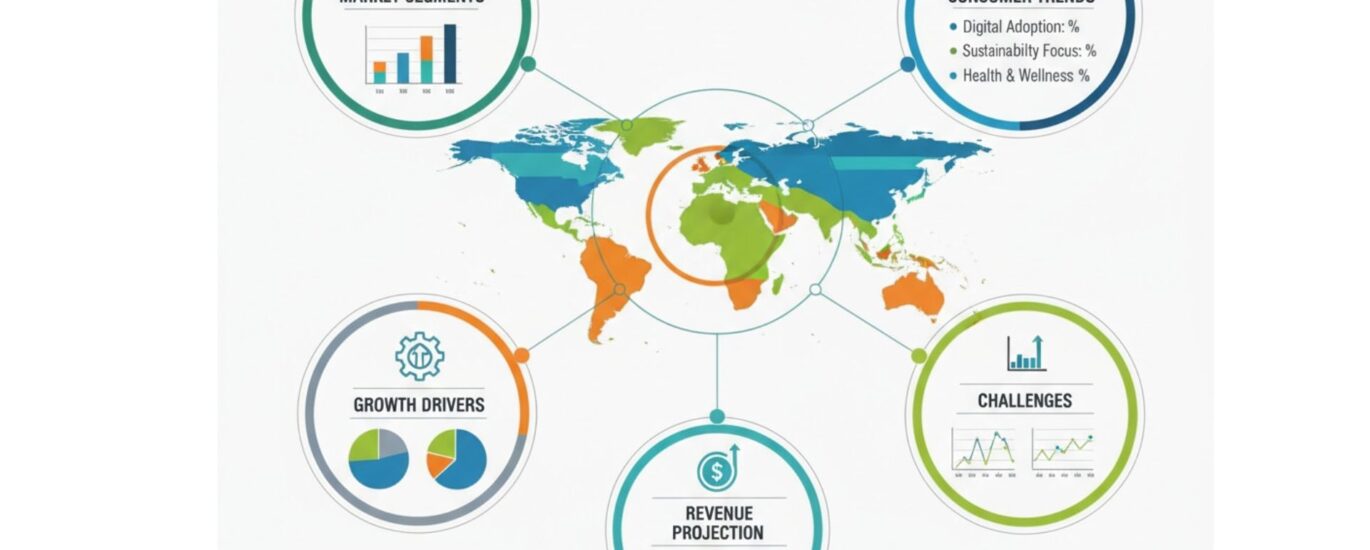
The ASEAN sea water pumps market is poised for remarkable expansion, with projections indicating a market value of USD 117.7 million by 2035, growing at a robust CAGR of 5.4% from 2025. Manufacturers in the region stand to benefit from a combination of rising industrial demand, government-backed infrastructure projects, and the adoption of advanced, energy-efficient pump technologies. As ASEAN economies expand their industrial and maritime capabilities, sea water pumps are becoming critical components in desalination plants, power generation systems, and offshore operations.
Key Drivers Fueling Market Expansion
The surge in the ASEAN sea water pumps market is underpinned by multiple interrelated factors. Rapid industrialization and urbanization in countries such as Indonesia, Malaysia, Singapore, and Thailand have created an urgent need for efficient water circulation systems. Rising freshwater scarcity has prompted governments and private investors to pursue desalination projects, such as Singapore’s Tuas Desalination Plant and Malaysia’s Langkawi facility, driving demand for high-capacity, corrosion-resistant pumps.
Offshore industries, particularly oil and gas platforms, have also emerged as substantial consumers of sea water pumps. Facilities in Malaysia, Thailand, and Brunei rely heavily on these systems for cooling, ballast water management, and fire suppression, highlighting the strategic importance of reliable pumping solutions for industrial safety and operational efficiency.
Buy Now & Save: Premium Market Report at $5,000 | Discount Details Inside:- https://www.futuremarketinsights.com/reports/sample/rep-gb-20005
Technological advancements further reinforce market growth. IoT-enabled monitoring, energy-efficient designs, and corrosion-resistant materials such as duplex stainless steel are transforming sea water pump operations. Manufacturers who adopt smart pump technologies can offer clients reduced maintenance costs, improved efficiency, and long-term operational reliability—addressing a key challenge faced by industrial buyers in the ASEAN region.
Governmental Support and Policy Frameworks
ASEAN governments are actively promoting sustainable marine and industrial development, providing a conducive environment for sea water pump adoption. Policies such as Indonesia’s National Policy for Water Resources Management emphasize efficient water use and long-term infrastructure planning. Ports, water treatment plants, and marine transportation systems are receiving targeted investments, ensuring that the region’s manufacturers can capitalize on predictable, high-value demand.
By aligning product offerings with governmental priorities, manufacturers can position themselves as partners in regional development, delivering both technological excellence and compliance with sustainability objectives.
Energy Efficiency: A Top Priority for Industrial Buyers
Energy efficiency has emerged as a decisive factor in purchasing decisions. Industrial users increasingly demand hydraulic designs and variable frequency drives (VFDs) that minimize energy consumption while maintaining operational output. Manufacturers capable of delivering pumps that combine energy efficiency with durability are likely to secure a competitive edge, especially in high-stakes applications like thermal and nuclear power plant cooling systems.
Market Segmentation and Industry Applications
Within the ASEAN sea water pumps market, centrifugal pumps dominate with a 55% share, widely used in desalination plants and industrial cooling systems due to their high volume-handling capacity. Positive displacement pumps, growing at a CAGR of 9.5%, serve high-pressure needs, particularly in reverse osmosis desalination applications.
By end-use, desalination plants account for 30% of market share, reflecting the urgent need for freshwater solutions. Power generation follows at 25%, while marine applications contribute 20%, covering both commercial and offshore operations. Industry growth trends indicate robust opportunities: desalination projects are expected to expand at 9.2% CAGR, power generation at 8.5%, and marine applications at 7.8% CAGR through 2030. Manufacturers who strategically target these segments can achieve strong revenue growth while supporting sustainable industrial operations.
Regional Competitiveness and Collaborative Opportunities
The ASEAN sea water pumps market is served by global leaders such as Grundfos, KSB, Flowserve, and Sulzer, whose advanced technologies and global reach set high standards. Regional manufacturers, including Ebara Pumps Malaysia and Torishima Pump Indonesia, provide cost-effective solutions tailored for local markets.
Collaborative initiatives between international and regional players have further accelerated market development. Partnerships improve supply chain efficiency, foster technology transfer, and enhance adoption of innovative, energy-efficient solutions, creating opportunities for manufacturers willing to engage in strategic alliances.
Industry Updates Signal Technological Advancement
Recent developments reflect the market’s dynamic nature. Grundfos introduced IoT-enabled sea water pumps for desalination plants in early 2023, while Flowserve partnered with Petronas to supply pumps for offshore projects. KSB expanded its footprint with a new facility in Vietnam, and Singapore’s PUB announced a major desalination initiative using energy-efficient pumps. These milestones underscore the sector’s commitment to technological progress and sustainability.
Click Here to Purchase the Report:- https://www.futuremarketinsights.com/reports/sample/rep-gb-20005
Outlook: Opportunities Through 2035
Looking ahead, the ASEAN sea water pumps market offers substantial growth potential. Investment in desalination plants will continue to rise, driven by freshwater demand. Offshore oil and gas exploration will sustain high-capacity pump needs, while IoT-enabled smart pumps will redefine operational efficiency, reducing downtime and cost for end-users.
Additionally, renewable energy integration—through projects such as ocean thermal energy conversion and tidal energy systems—will present new opportunities for manufacturers capable of supplying robust, energy-efficient pumps. Cross-border collaboration within ASEAN will further enhance technology transfer, capacity building, and sustainable resource management.
About Future Market Insights (FMI)
Future Market Insights, Inc. (ESOMAR certified, recipient of the Stevie Award, and a member of the Greater New York Chamber of Commerce) offers profound insights into the driving factors that are boosting demand in the market. FMI stands as the leading global provider of market intelligence, advisory services, consulting, and events for the Packaging, Food and Beverage, Consumer Technology, Healthcare, Industrial, and Chemicals markets. With a vast team of over 400 analysts worldwide, FMI provides global, regional, and local expertise on diverse domains and industry trends across more than 110 countries.
Contact Us:
Future Market Insights Inc.
Christiana Corporate, 200 Continental Drive,
Suite 401, Newark, Delaware – 19713, USA
T: +1-347-918-3531
For Sales Enquiries: sales@futuremarketinsights.com
Website: https://www.futuremarketinsights.com
LinkedIn| Twitter| Blogs | YouTube